The Blue Wall

The Southern Blue Ridge Escarpment, known as the “Blue Wall” by the Cherokee Nation, is the southeastern edge of the Blue Ridge Mountains.  Unlike a National Park unit, the boundaries of the Blue Wall are not perfectly defined.  The land area covers both public and private lands.  The clearest map I’ve found is within the book The Blue Wall by James Kilgo and Thomas Wyche.

On the western boundary of The Blue Wall, three National Forests–The Chattahoochee, Sumter, and Nantahala–come together in an incredibly rich landscape.  The Wild & Scenic Chattooga River snakes directly through the heart.  In the middle of The Blue Wall, Duke Power owns considerable land in and around Lake Jocassee where five rivers–The Whitewater, Thompson, Horsepasture, Toxaway, and Eastatoe–meet.  While much of the land is privately owned, much is also open to the public, as well as held within easements.  On the eastern edges of the Blue Wall are Table Rock State Park and the Mountain Bridge Wilderness Area.

What the Blue Wall has in common along all its areas is water.  Rivers, streams, waterfalls, lakes.  This is a steep landscape that creates rain and moves water quickly.  The Blue Wall averages 60-100 inches of rainfall annually.  Areas such as the Jocassee Gorges average 80+ inches of rainfall.  Moisture-laden air from the Gulf of Mexico and Atlantic hit The Blue Wall, are forced to rise, cool, condense, and drop their payload.  Temperate rainforests result.

The steep topography and high rainfall within a temperate region make The Blue Wall a truly unique landscape of rugged terrain and rich biodiversity.  However, The Blue Wall is not an easy place.  There isn’t an abundance of amenities and there’s an absence of the easy, thoughtless tourism that exists in nearby National Parks.  You’ll work for reward here.  The Blue Wall is a place of depth.  I try to show this depth within the images that follow.  The Blue Wall, ultimately, is the place I go when I want to actively engage the Southern Appalachian Mountains.
Chattahoochee National Forest:  The Chattooga River flows fifty-seven miles undammed through three National Forests.  It’s defining characteristic is arguably it’s free-flowing nature.  The Chattooga River is one of only a handful of remaining free-flowing rivers in the southeastern United States.  It was the first river east of the Mississippi to earn National Wild & Scenic status.
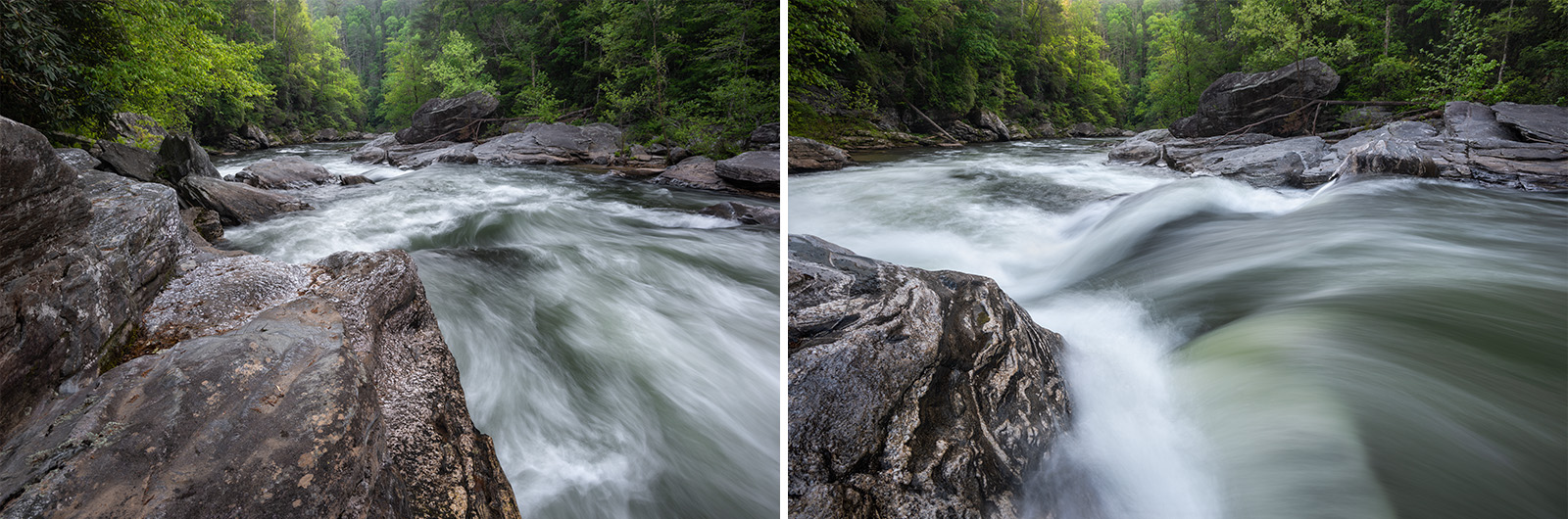
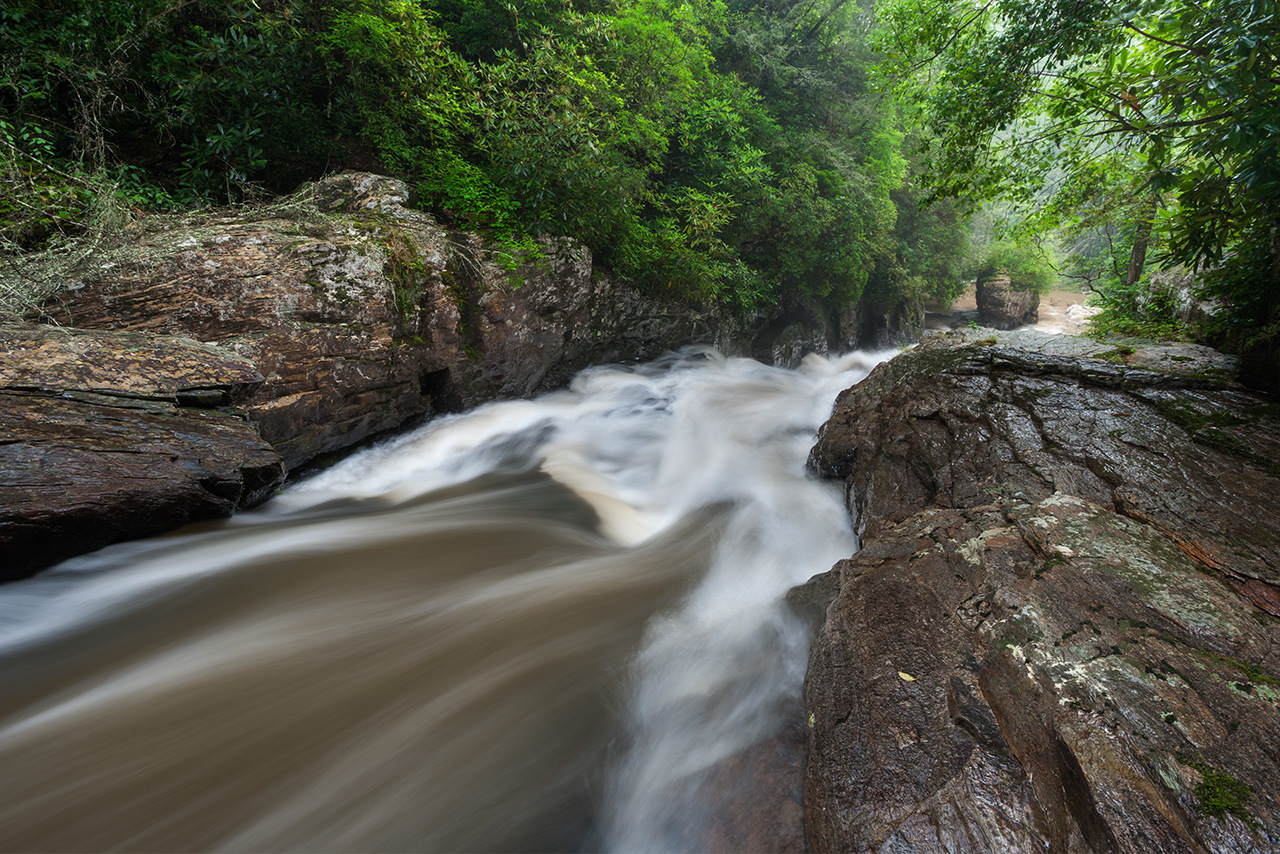
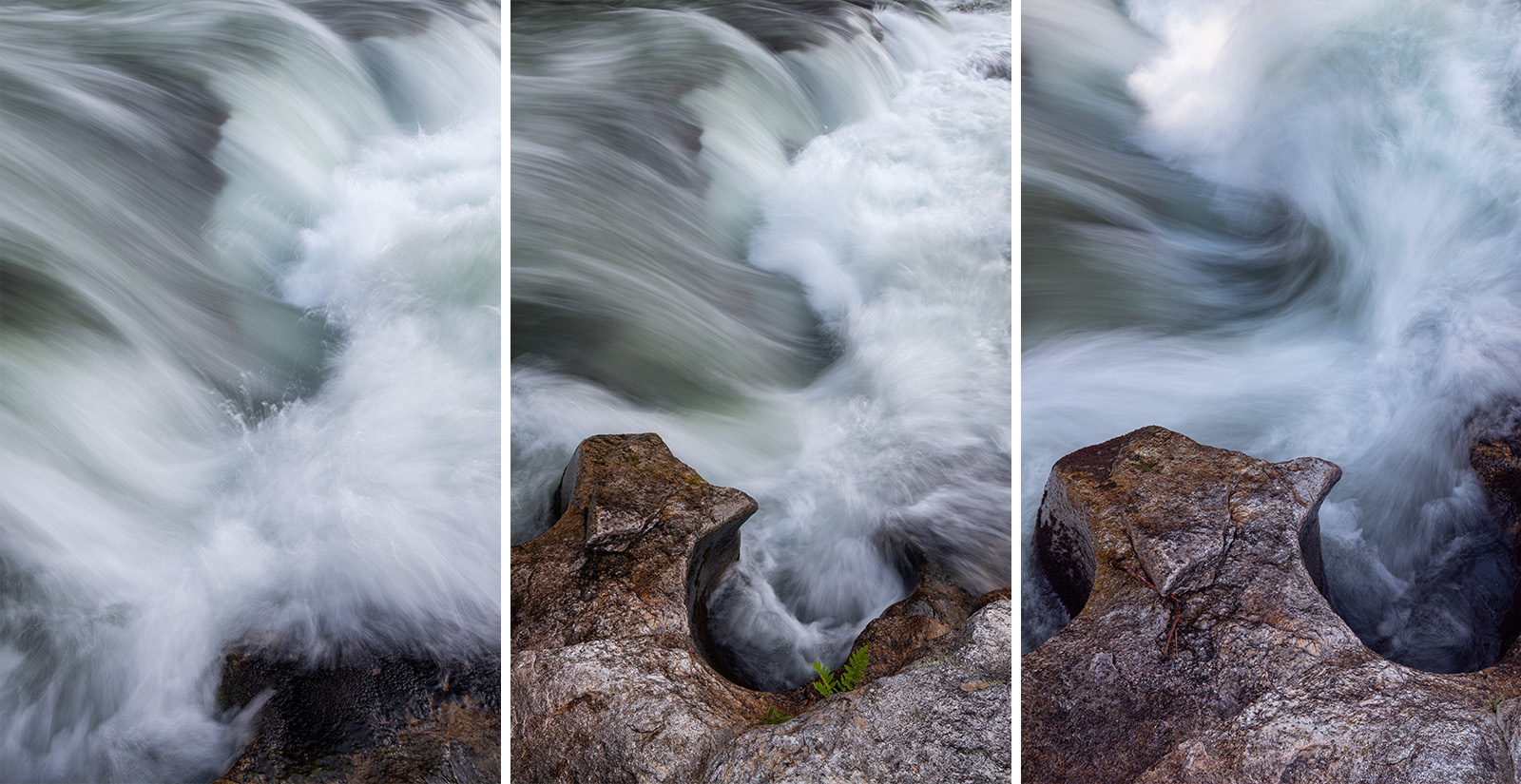
Chattahoochee National Forest:  Bull Sluice is a Class IV+ rapid along the Wild & Scenic Chattooga River.  It is the largest and final rapid within Section III of the river.  With relatively easy access from nearby US-76, Bull Sluice is the start of many kayak trips down the more dangerous and exciting Section IV of the Chattooga River.  I find the overhanging rocks along the Georgia side of the Chattooga River at this location to be fascinating behind the lens, often in conjuction with the river’s swift flow.
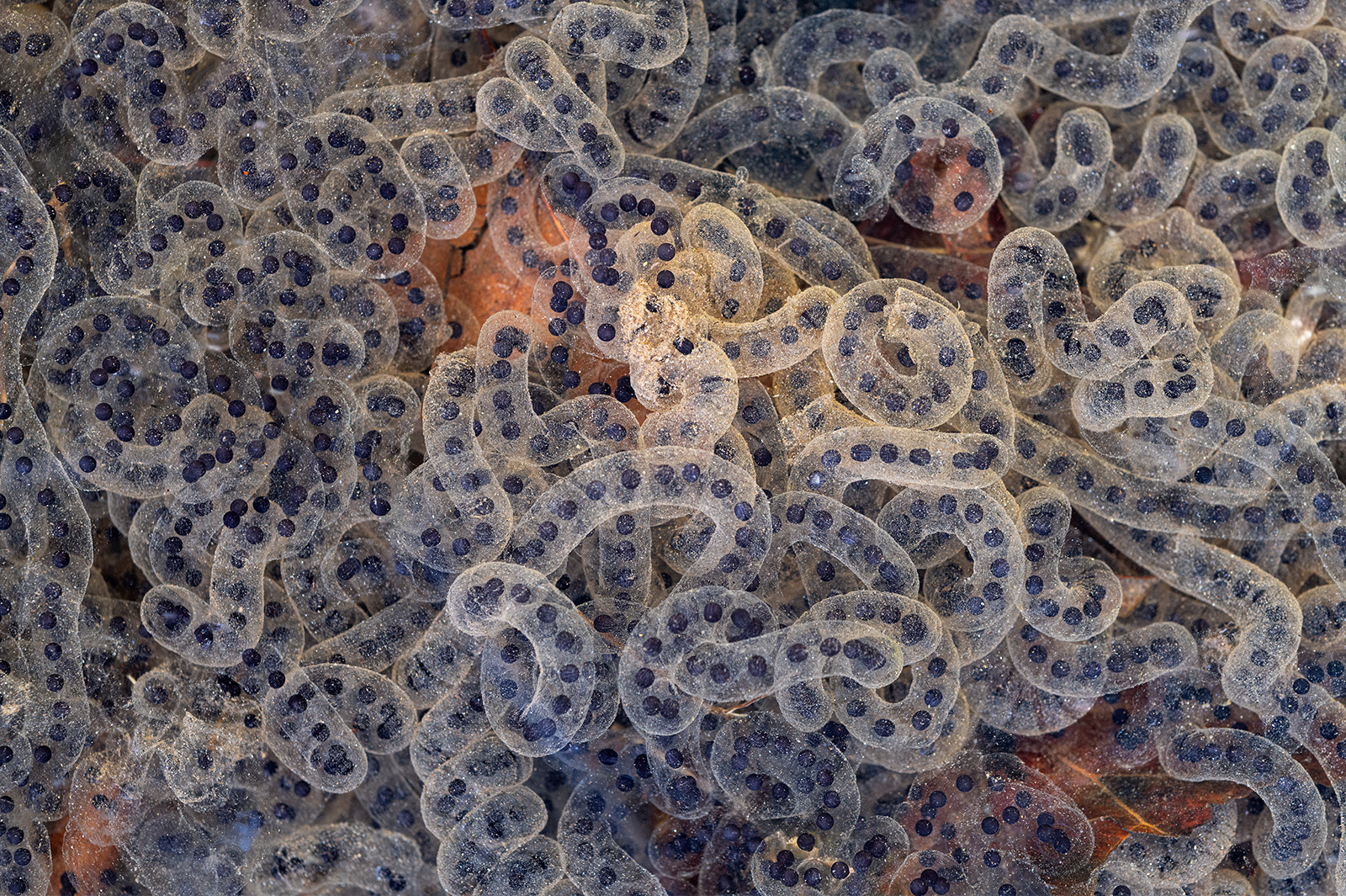
Chattahoochee National Forest:  There are a number of vernal pools along the Georgia shoreline of the Wild & Scenic Chattooga River that come alive in the spring with aquatic life.  Newts and frogs are perhaps my favorites to watch.  This was a large pool of frog eggs in shallow enough water that I could get the camera and tripod setup to catch a few frames.
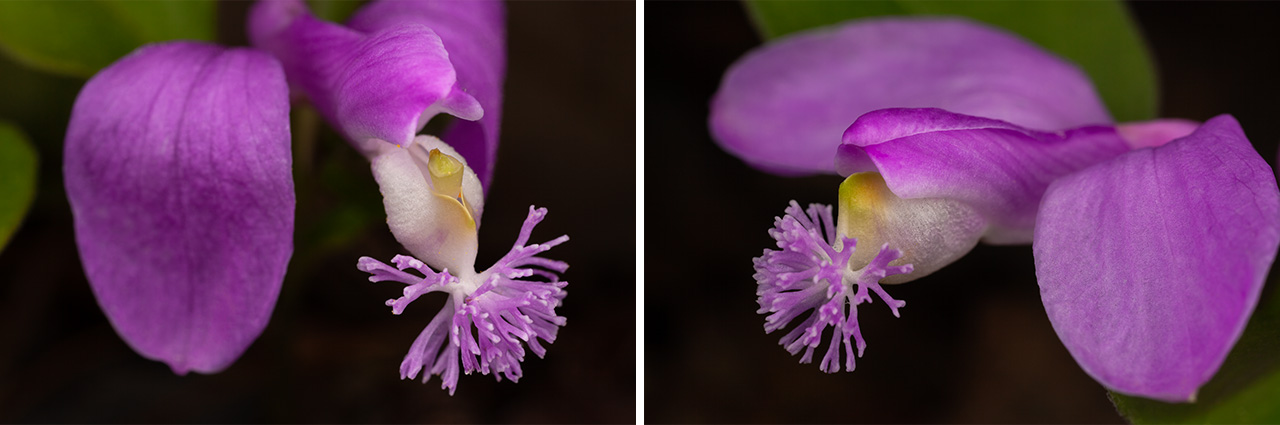
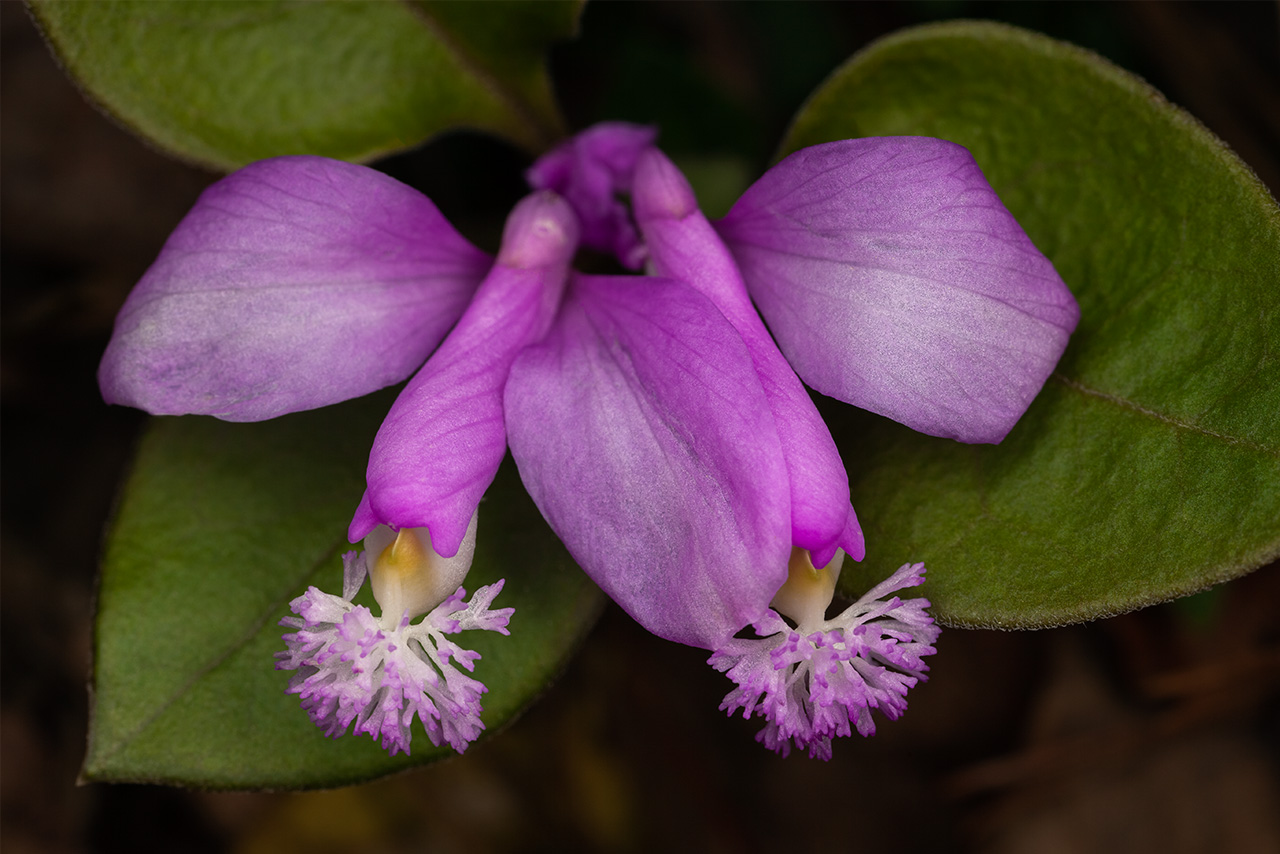
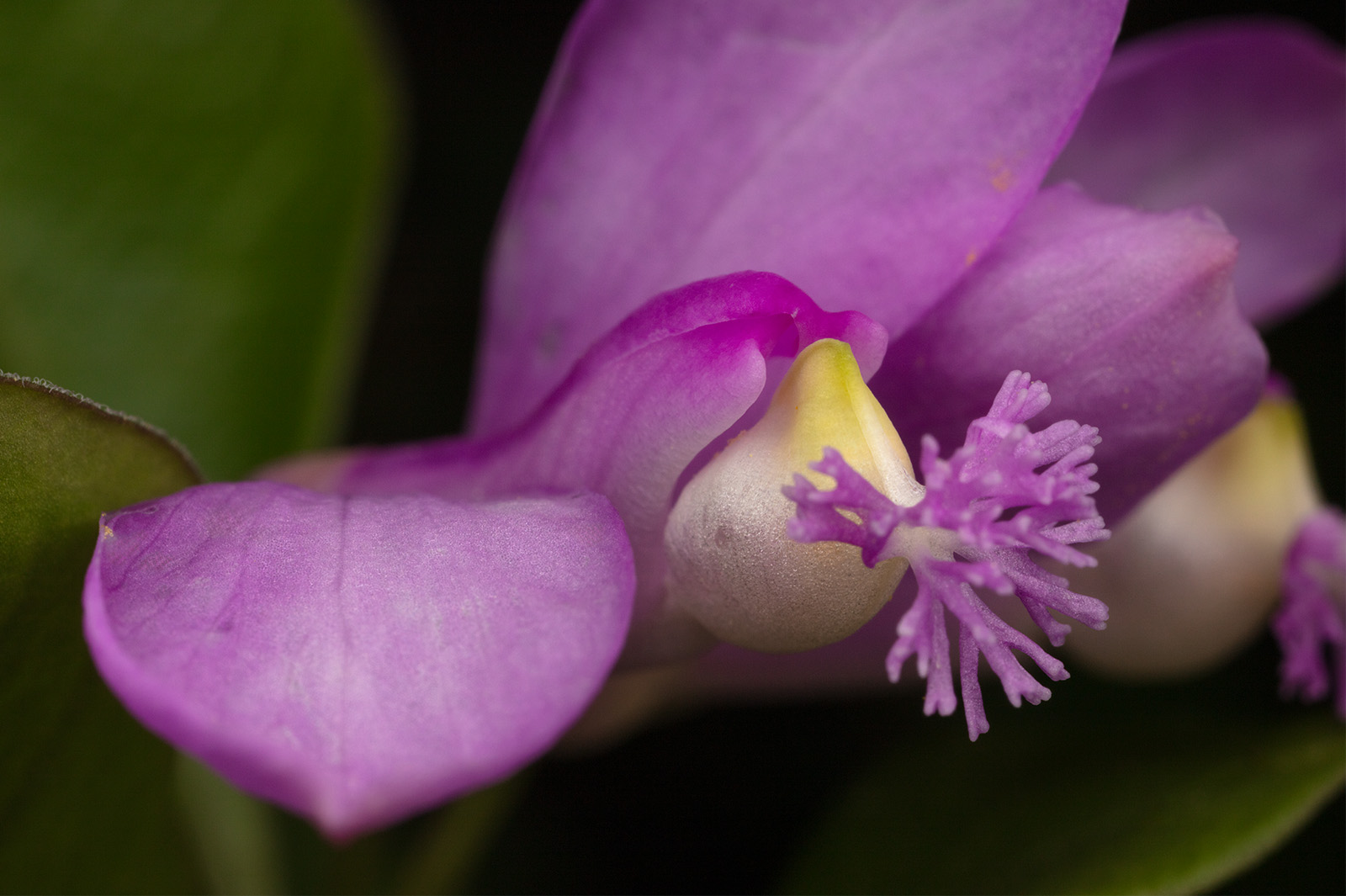
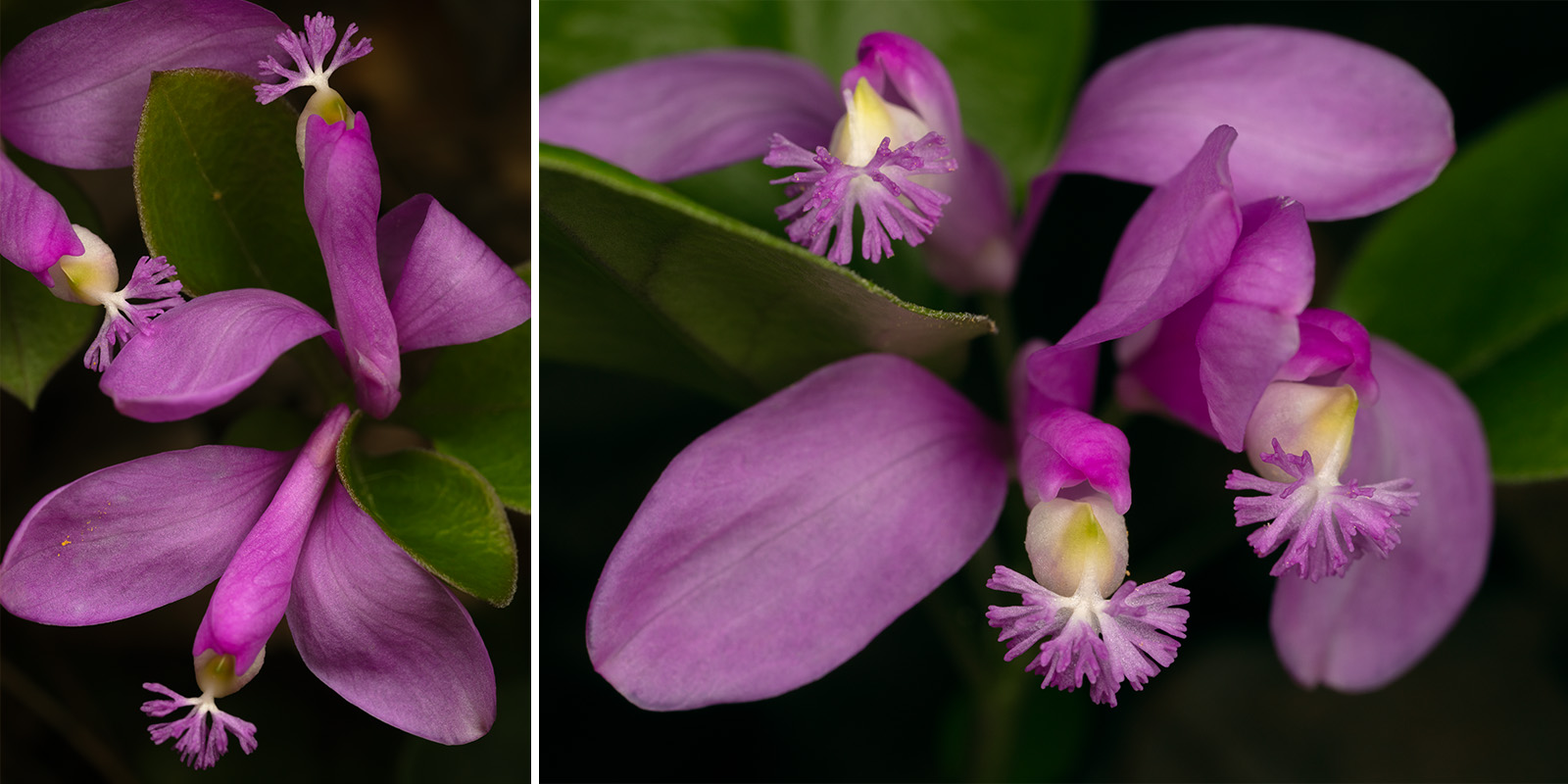
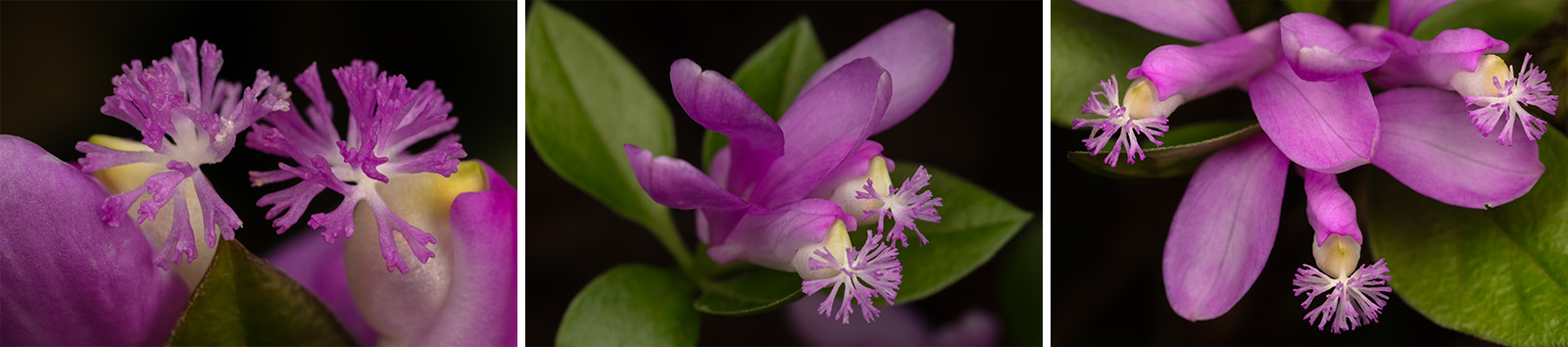
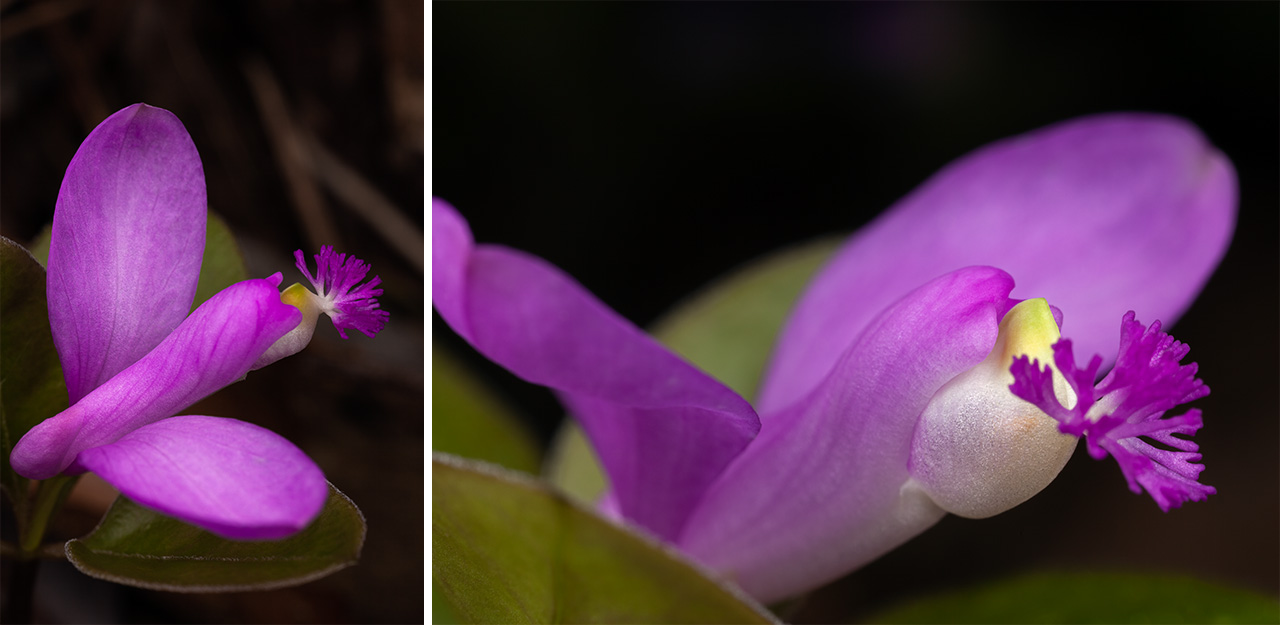
Chattahoochee National Forest:  Gaywings (Chamaebuxus paucifolia), also known as Fringed polygala, is a neat little wildflower that resembles an orchid.  I first came upon Gaywings while hiking in Section III of the Wild & Scenic Chattooga River and the Chattahoochee National Forest.  NatureServe ranks the Gaywing as S3 Vulnerable in Georgia.
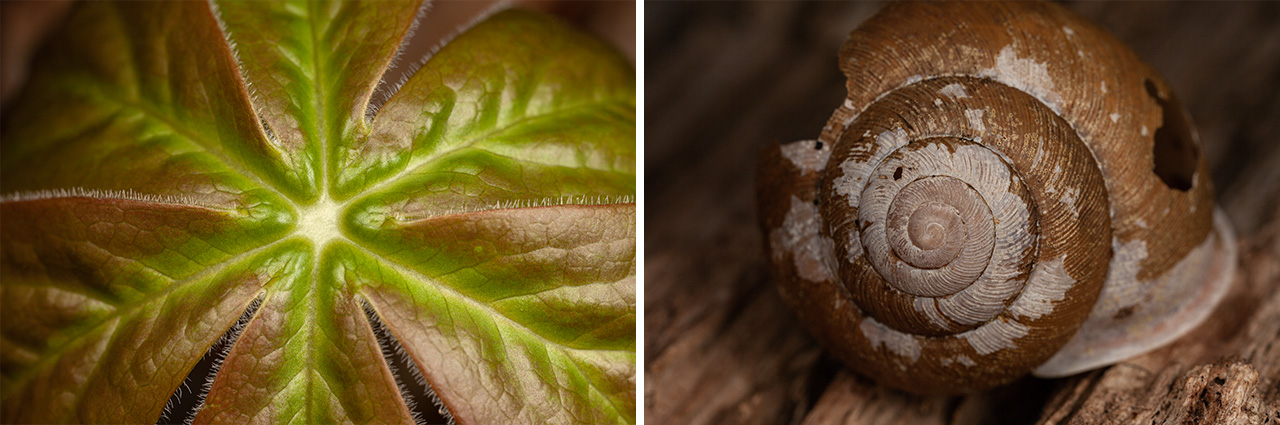
Chattahoochee National Forest:  A couple of details from Rippy Branch along US-76.  (Left) Mayapple leaf and (Right) a Land Snail shell well worn.  Rippy Branch has an abundance of beautiful wildflowers along the steep banks of the small stream.
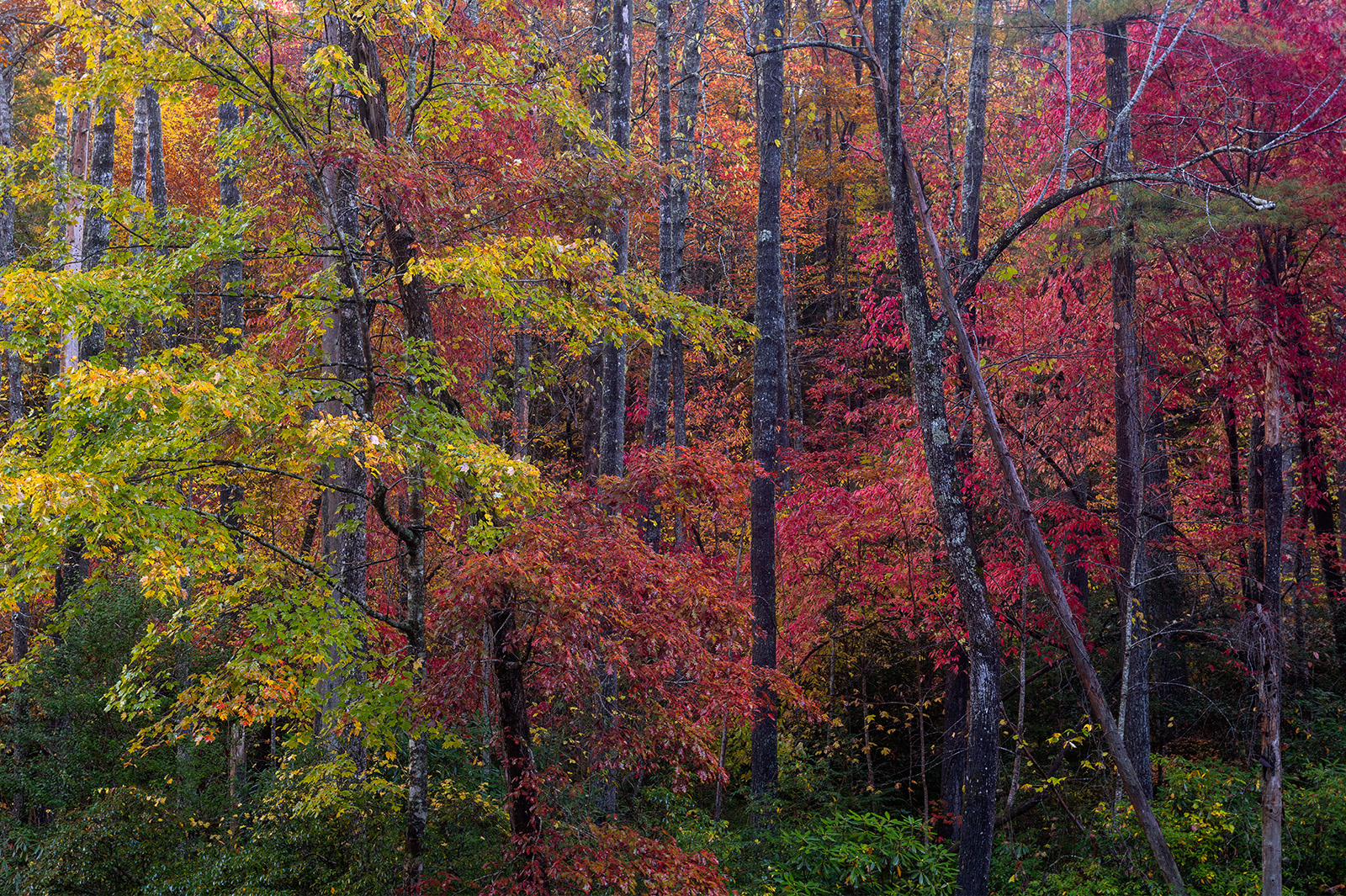
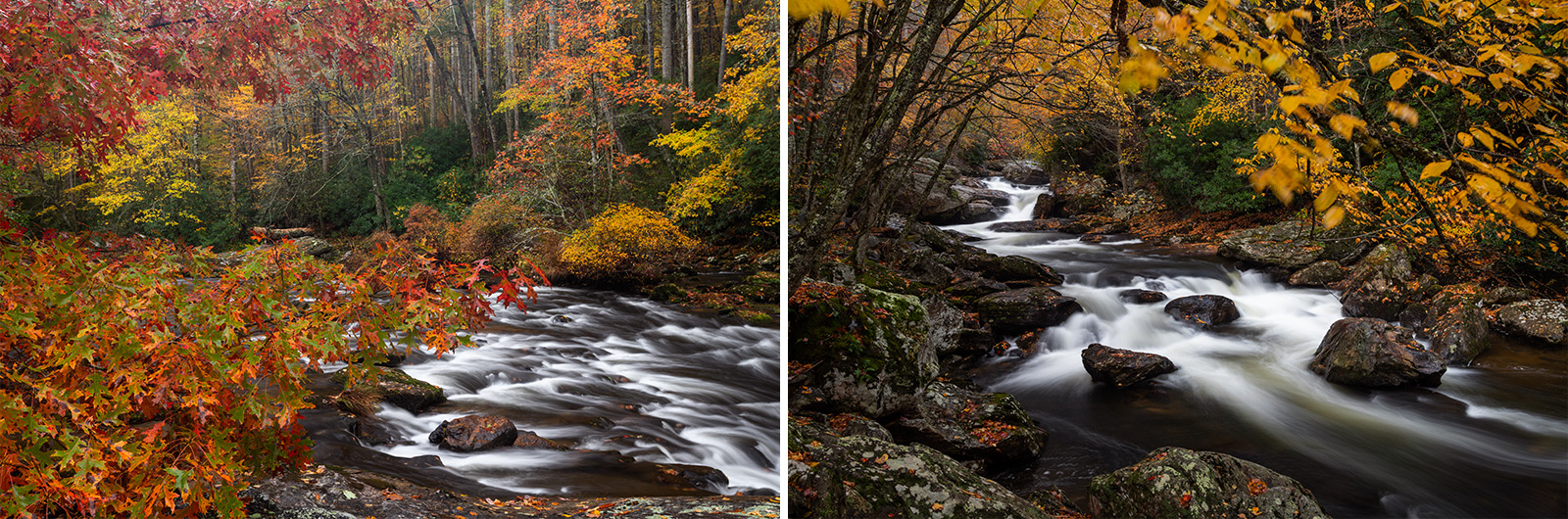
Chattahoochee National Forest:  Autumn decorates the forested Georgia banks of the Wild & Scenic Chattooga River, Section 0.  I hiked upstream along the Chattooga River Trail from Burrell’s Ford Bridge on the South Carolina side of the river.
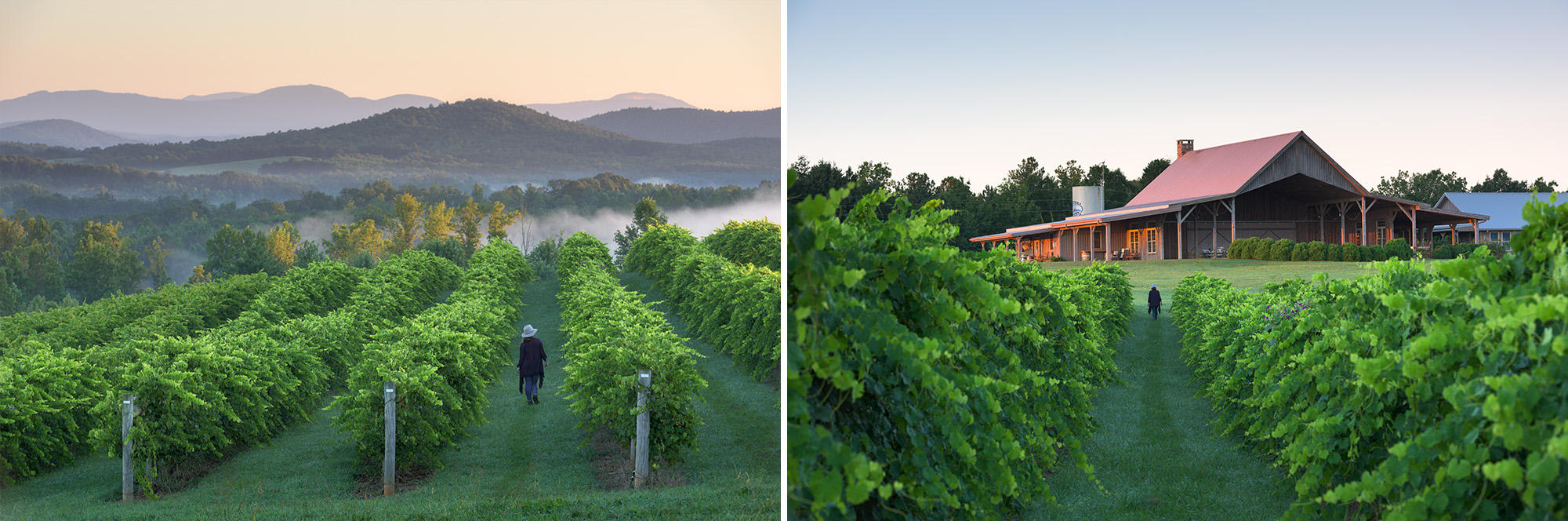
Chattooga Belle Farm:  This two-hundred-plus acre working farm has a wonderful view towards the “Blue Wall,” the barrier of heavily forested mountains on the horizon.  In 2017, I caught a bit of assignment work from Discover SC, the tourism bureau for the state of South Carolina, to provide imagery from the farm.  The image on the left was chosen for publication in the annual guide.
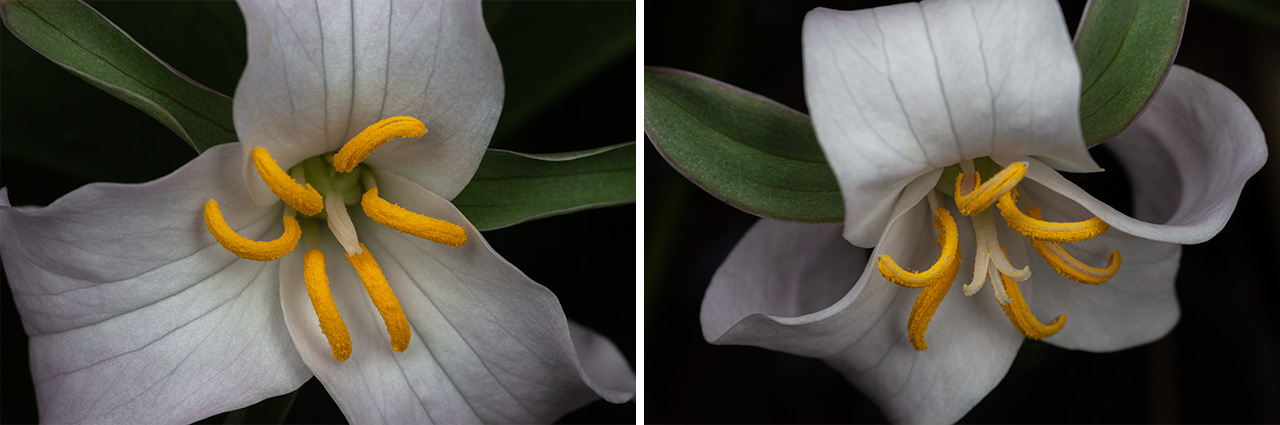
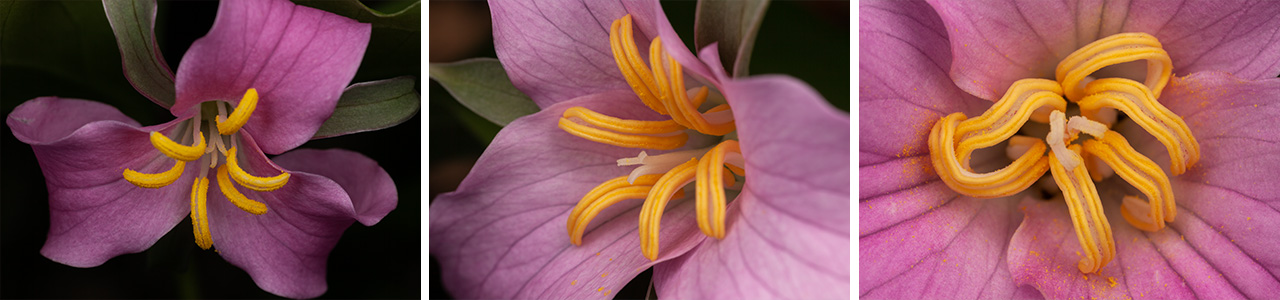
Sumter National Forest:  Catesby Trillium (Trillium catesbaei) are relatively common along the many trails in the Southern Blue Ridge Escarpment.  The two dominant color forms are a rosy pink and, less often, a pure white.  The wildflowers nod towards the ground.
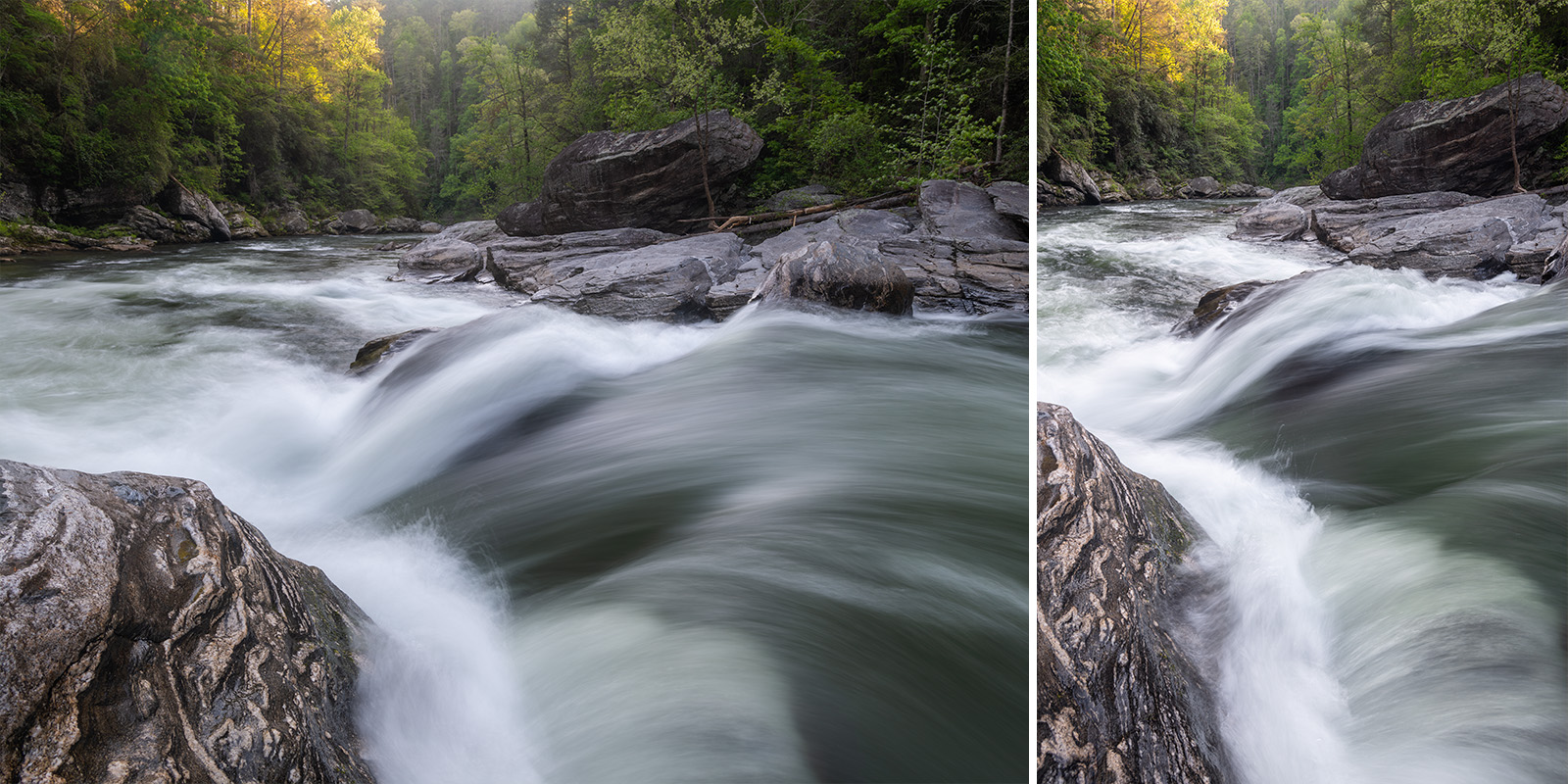
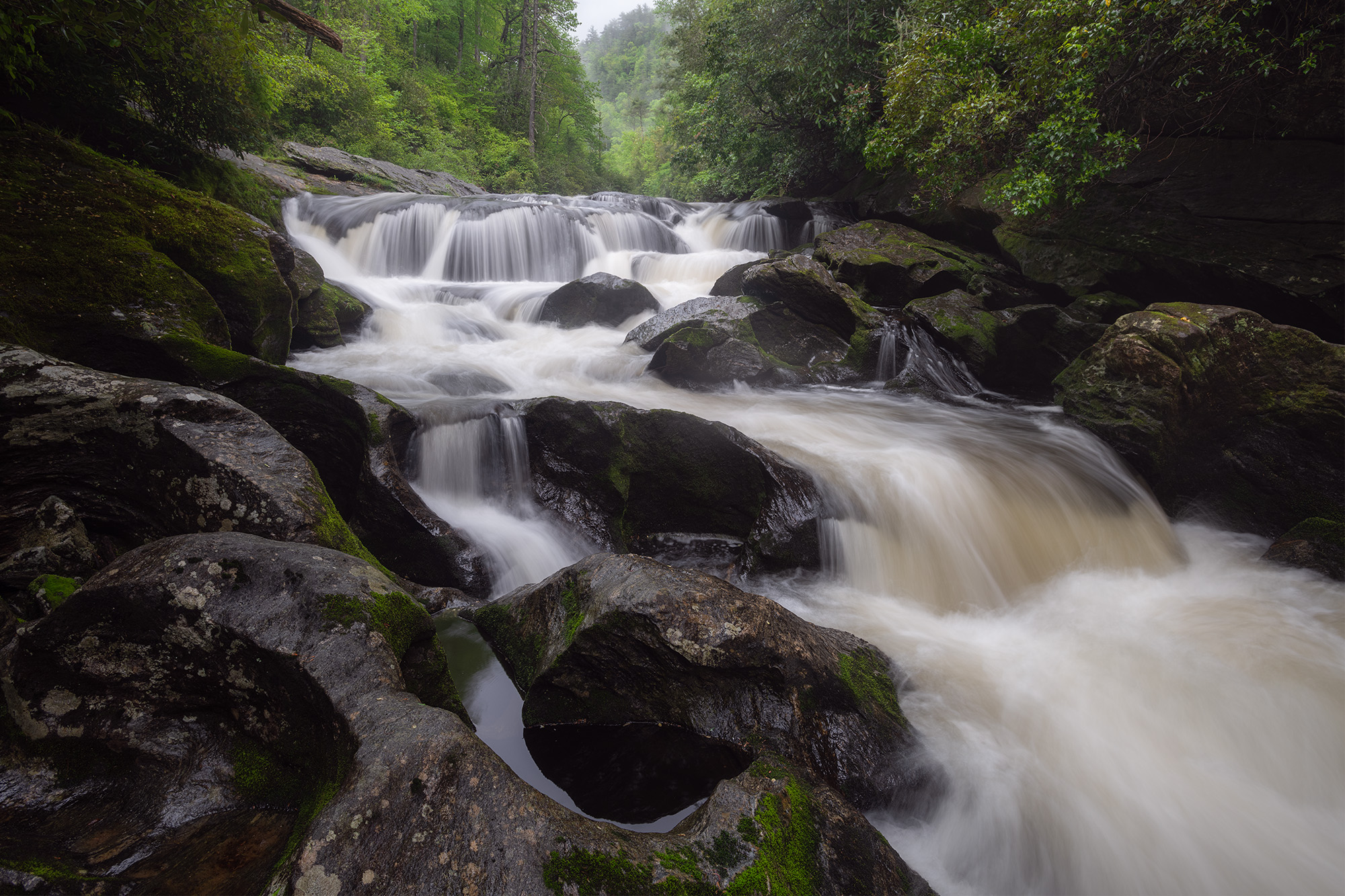
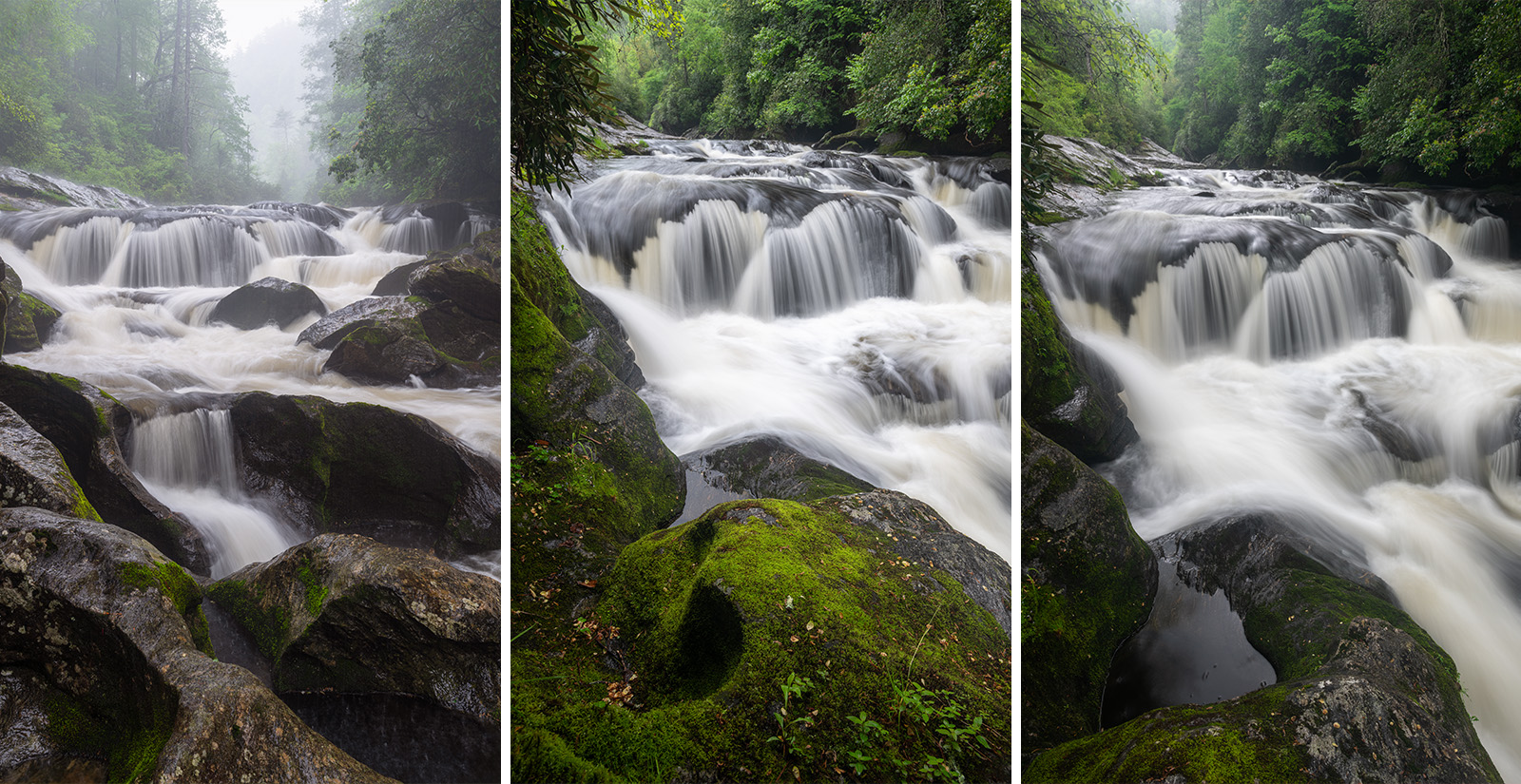
Sumter National Forest:  Seven-Foot Falls is a Class IV rapid on Section Four of the Wild & Scenic Chattooga River.  The left photograph is the approach waters; the right is the drop itself.  The forest on the left of the river is Sumter National Forest in South Carolina.  To the right, Chattahoochee National Forest in Georgia.
Sumter National Forest:  Seven-Foot Falls is a prominent Class IV rapid on the final section of the Chattooga River.  The rapid marks the beginning of some of the heavier whitewater along this free-flowing, Wild & Scenic river in the southeast.  There is a degree of wildness within and along this river that I absolutely love.
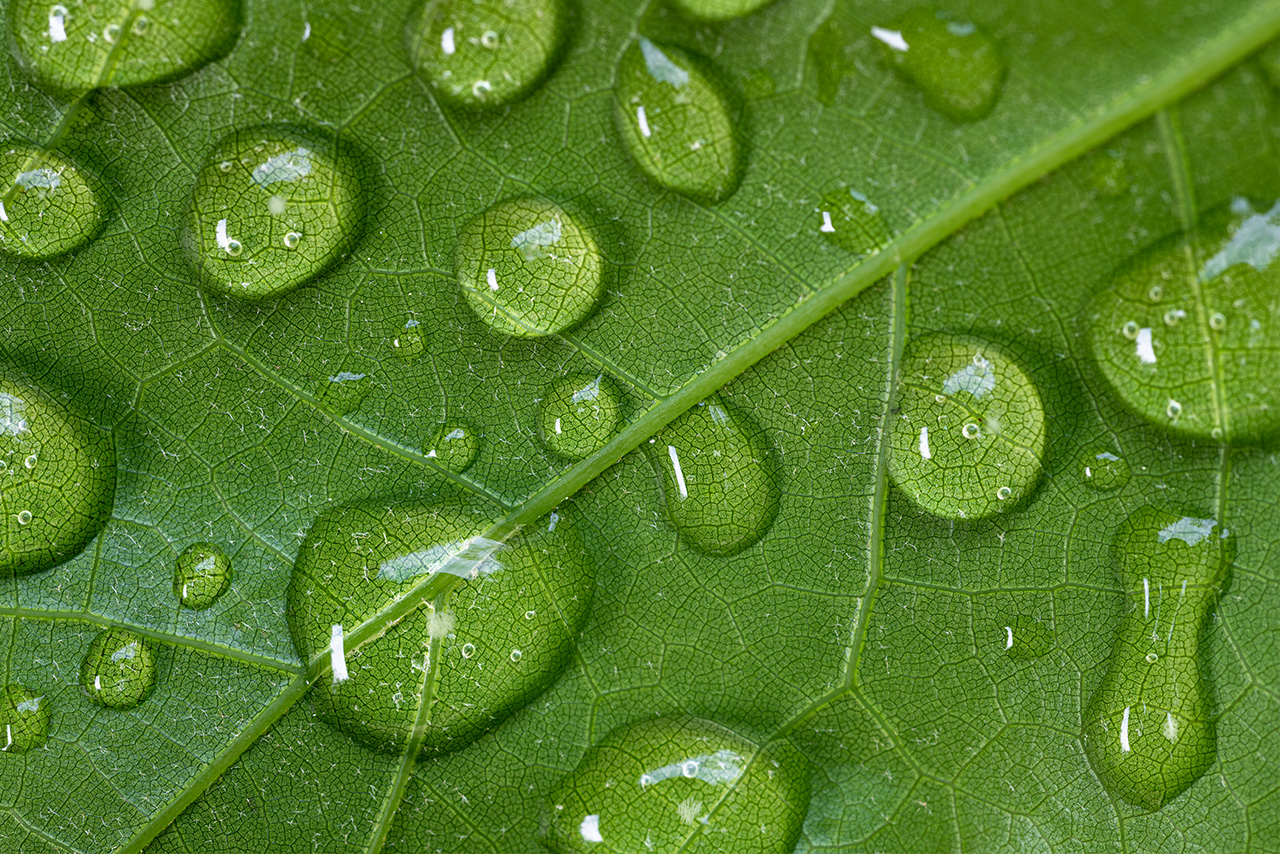
Sumter National Forest:  A green leaf collects moisture from a recent rainfall along the Wild & Scenic Chattooga River.  The underside of plant leaves are often hydrophobic by nature, repelling water and forcing moisture to form spherical globes like pictured above.
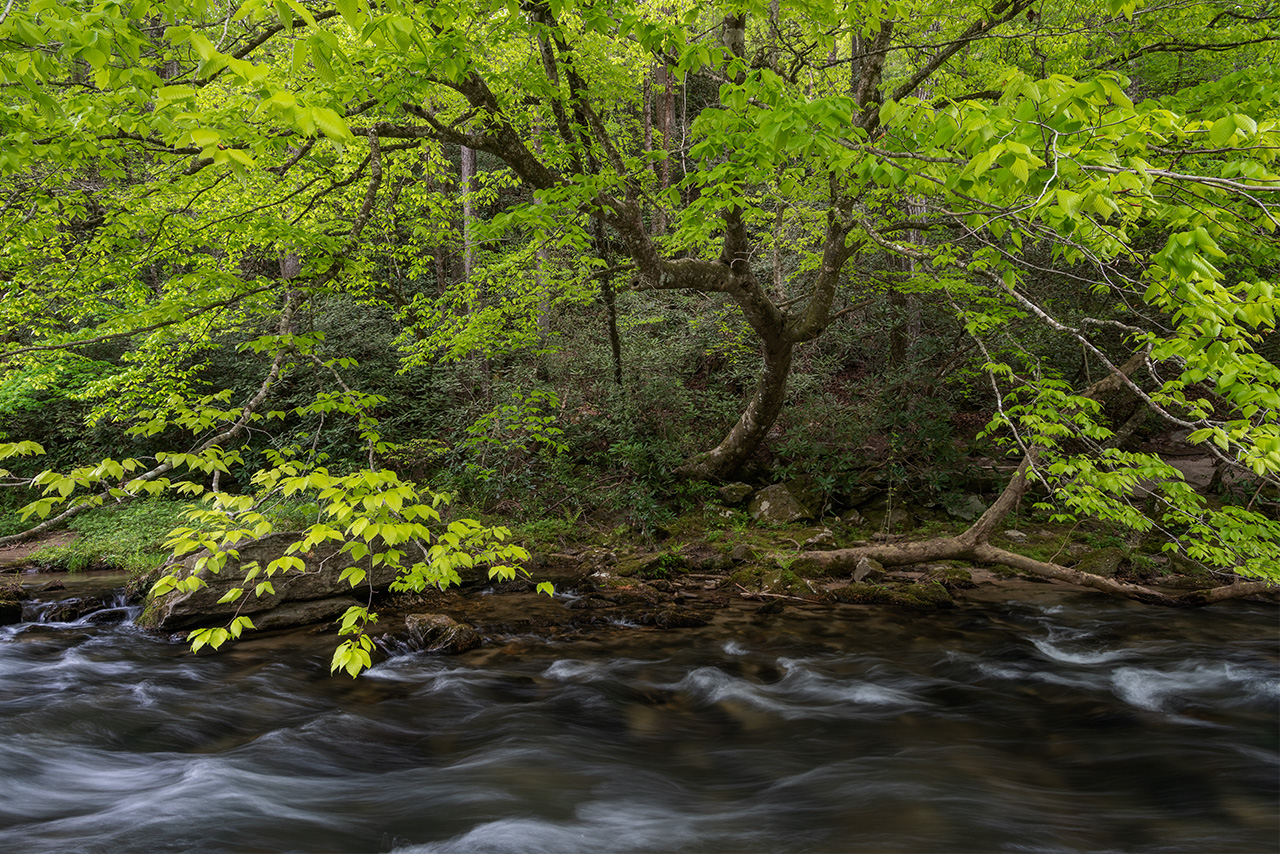
Sumter National Forest:  A beautiful tree overhangs the Chattooga River on Section IV’s whitewater.  Unfortunately, this tree was taken out by the flooding waters of Hurricane Helene in 2024.  Nothing stays the same in the natural world.
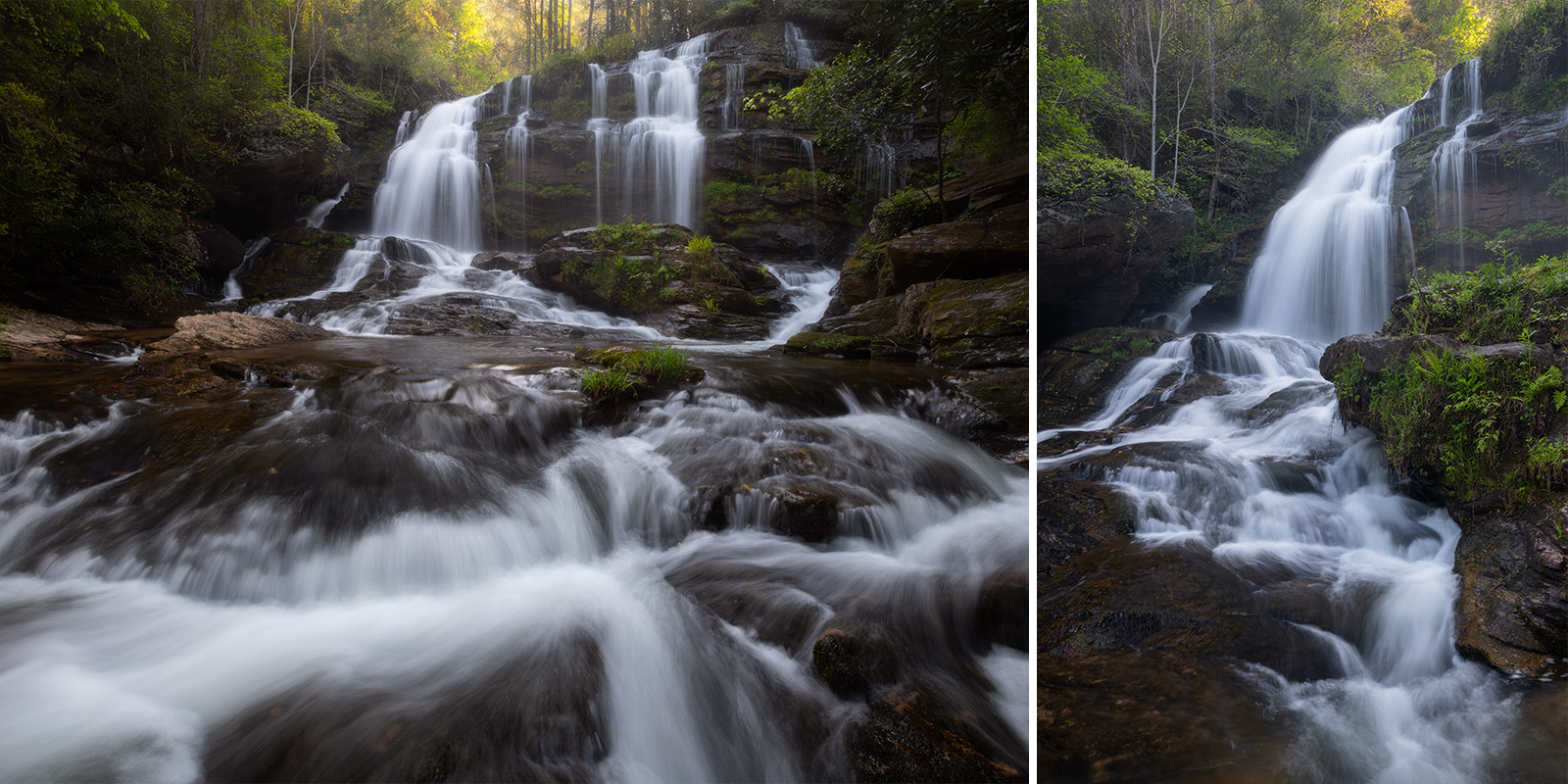
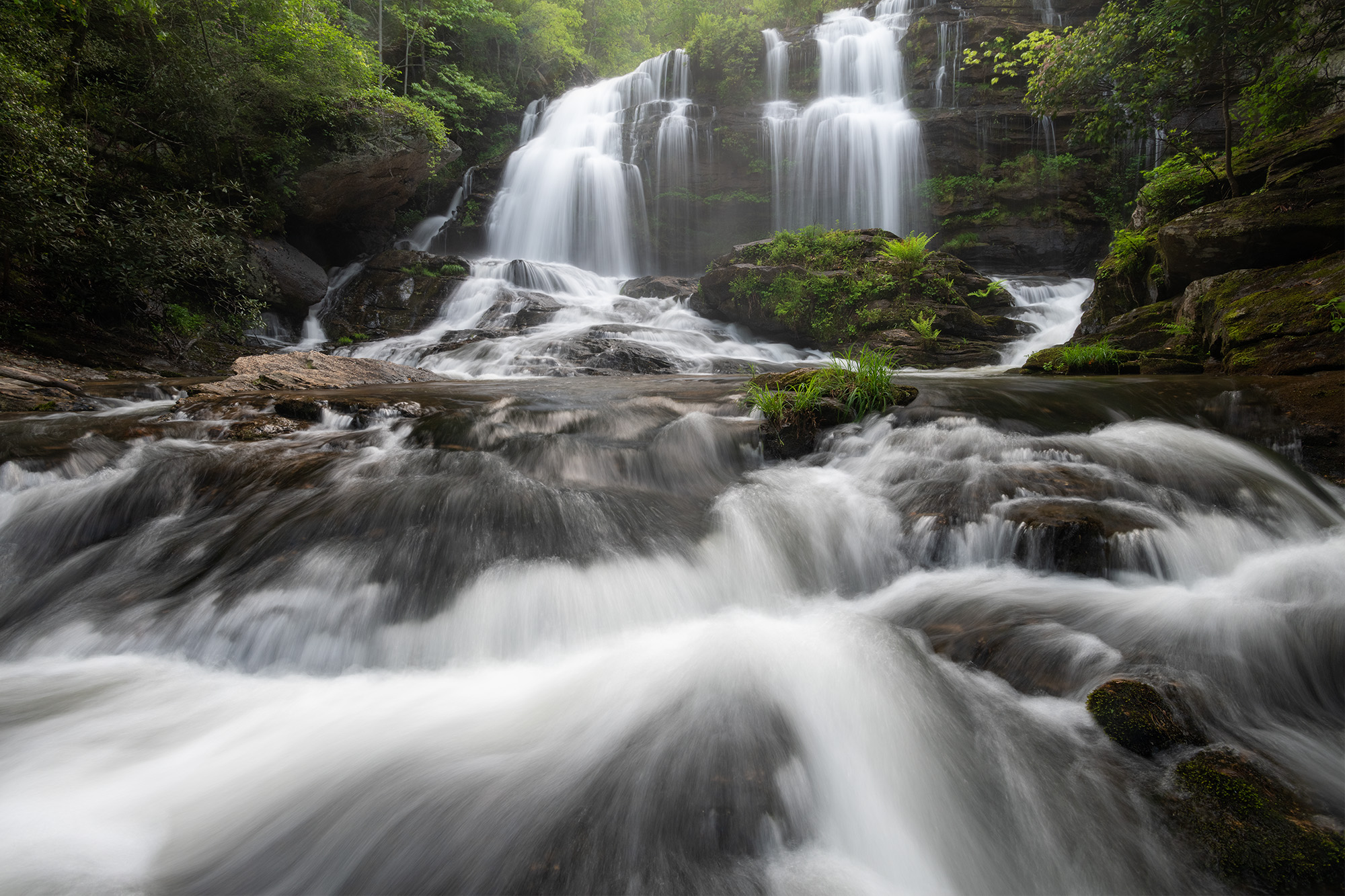
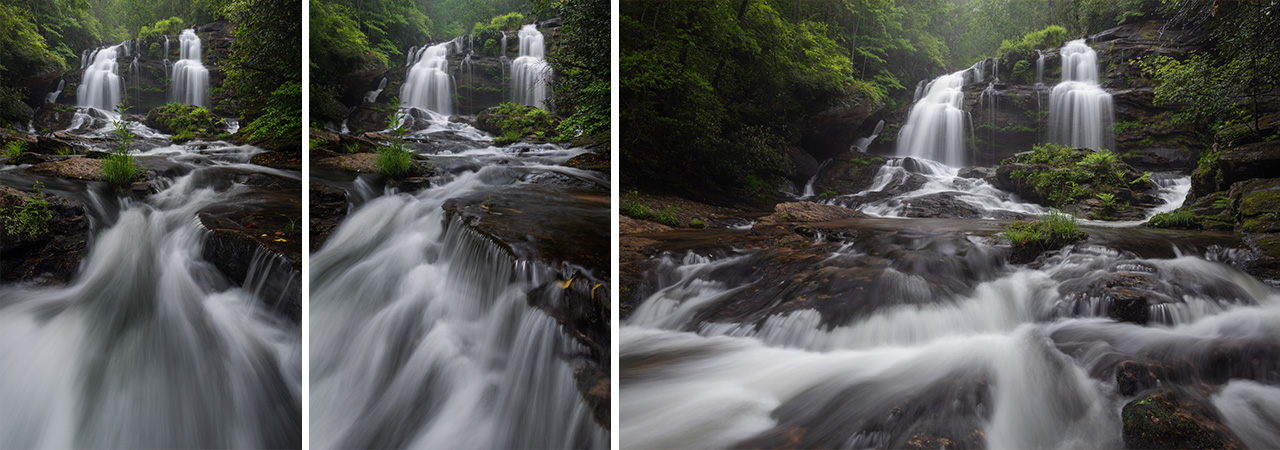
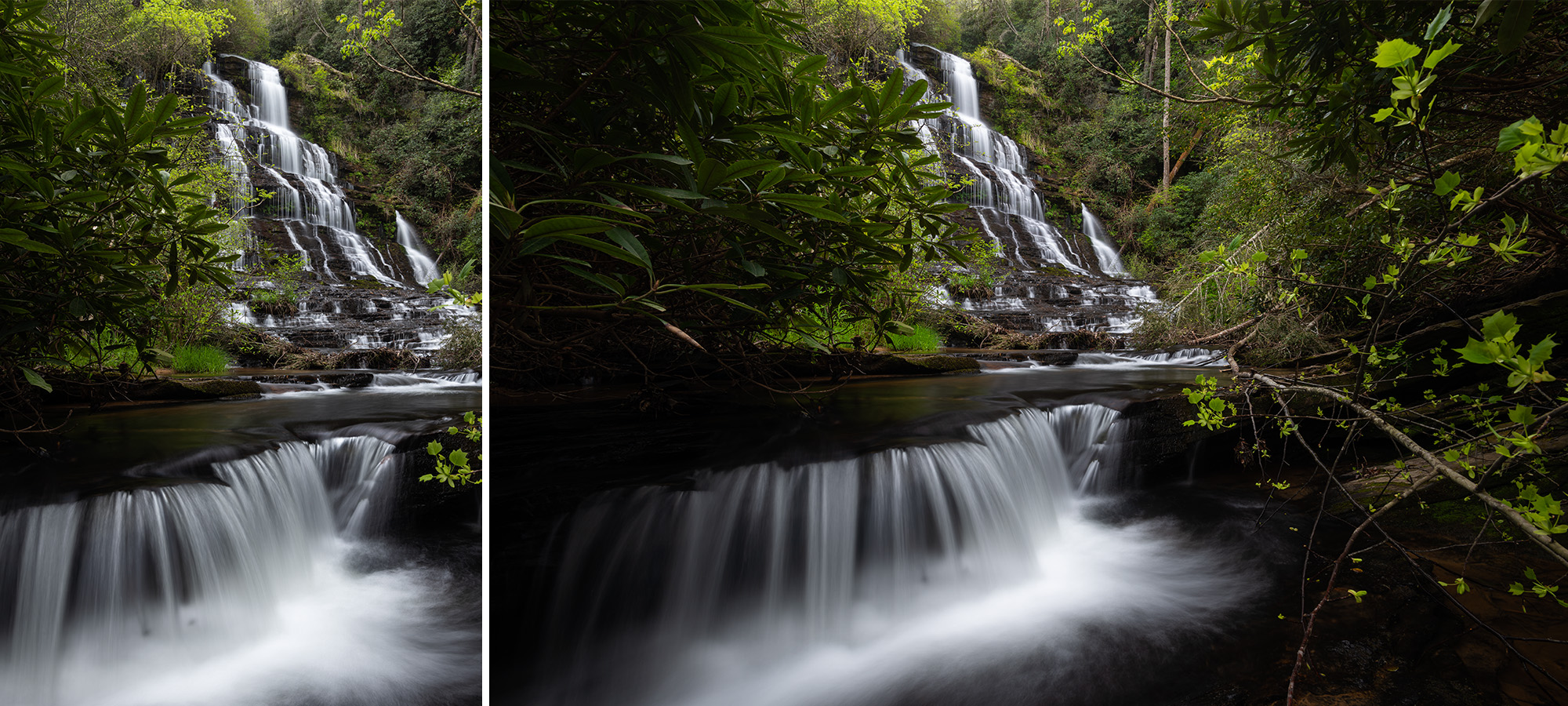
Sumter National Forest:  Long Creek Falls is a beautiful waterfall along the Chattooga River.  In fact, Long Creek Falls spills directly into the Chattooga River.  At roughly forty-feet of drop, it’s not the tallest waterfall.  What it lacks in height, however, it makes up for with many intricate steps and stairs and cascades, as well as some of the lushest ferns in the spring down closer to the intersection of Long Creek and the Wild & Scenic Chattooga River.
Sumter National Forest:  Long Creek Falls is one of the first waterfalls I visited when I moved to Upstate South Carolina.  I have a twenty-year relationship of visiting as often as I can.  The connection between Long Creek Falls and the nearby Chattooga River make this one particularly special for me.
Sumter National Forest:  Be prepared to get into the water if you visit Long Creek Falls in Upstate South Carolina.  The opposite side of the waterfall from the trail departure offers the easiest path to exploring, but it requires getting your feet a bit wet.  That’s the whole point at a waterfall though, I think!
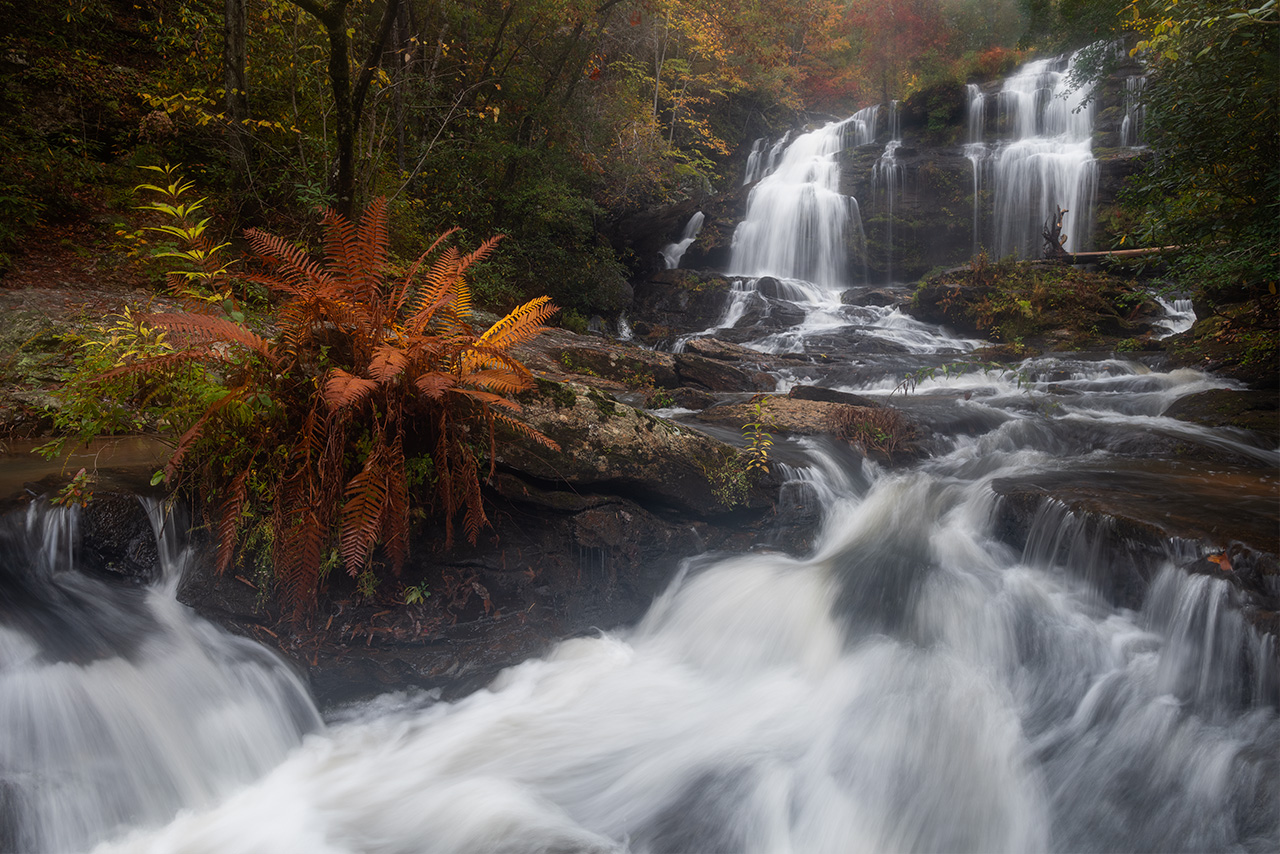
Sumter National Forest:  Autumn shows up with wonderful bronze coloring on the large Cinnamon Ferns that grow near the confluence of Long Creek and the Wild & Scenic Chattooga River.  Water levels are typically slightly lower than spring, though temporary levels can fluctuate with late season storms.
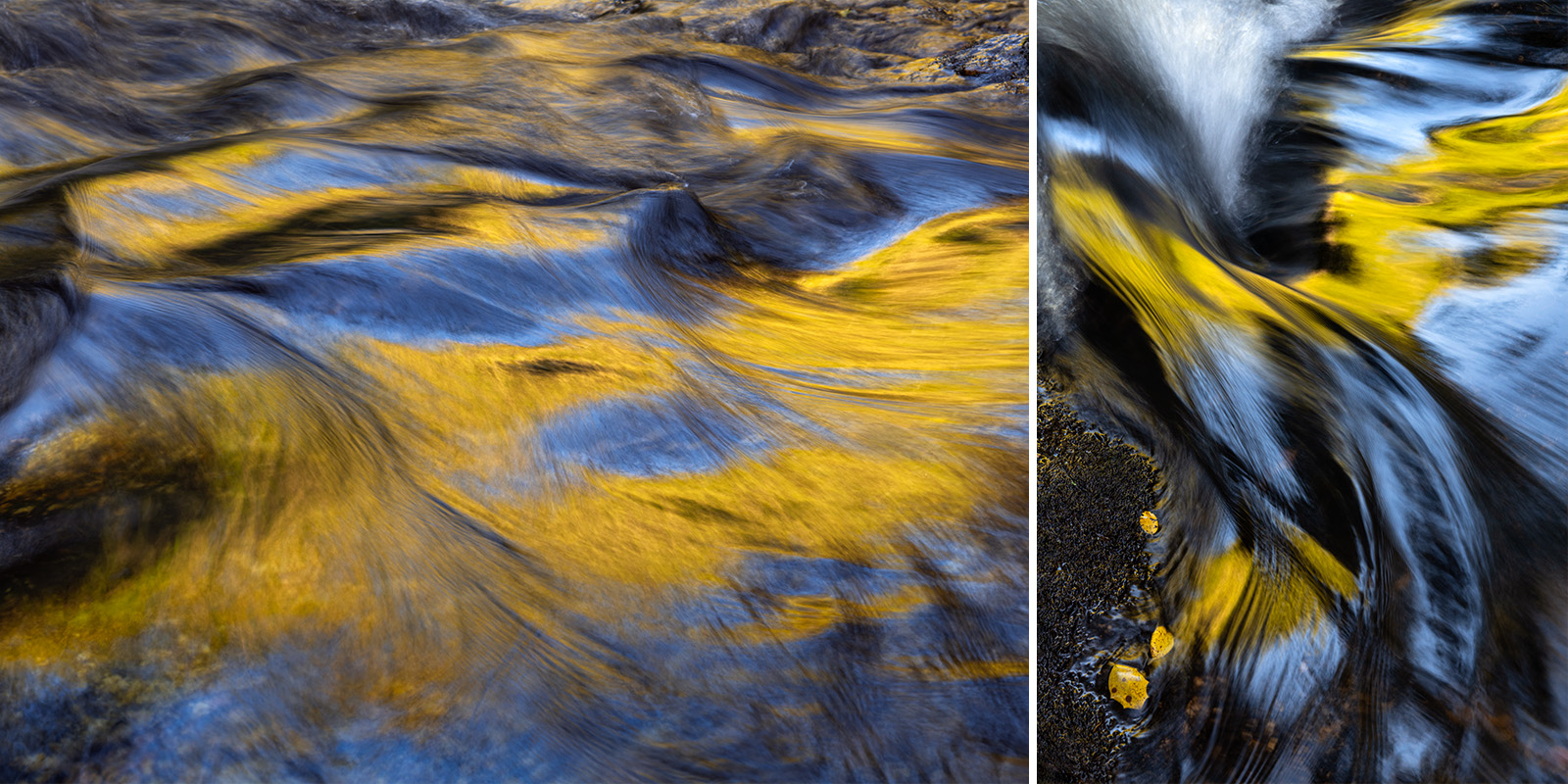
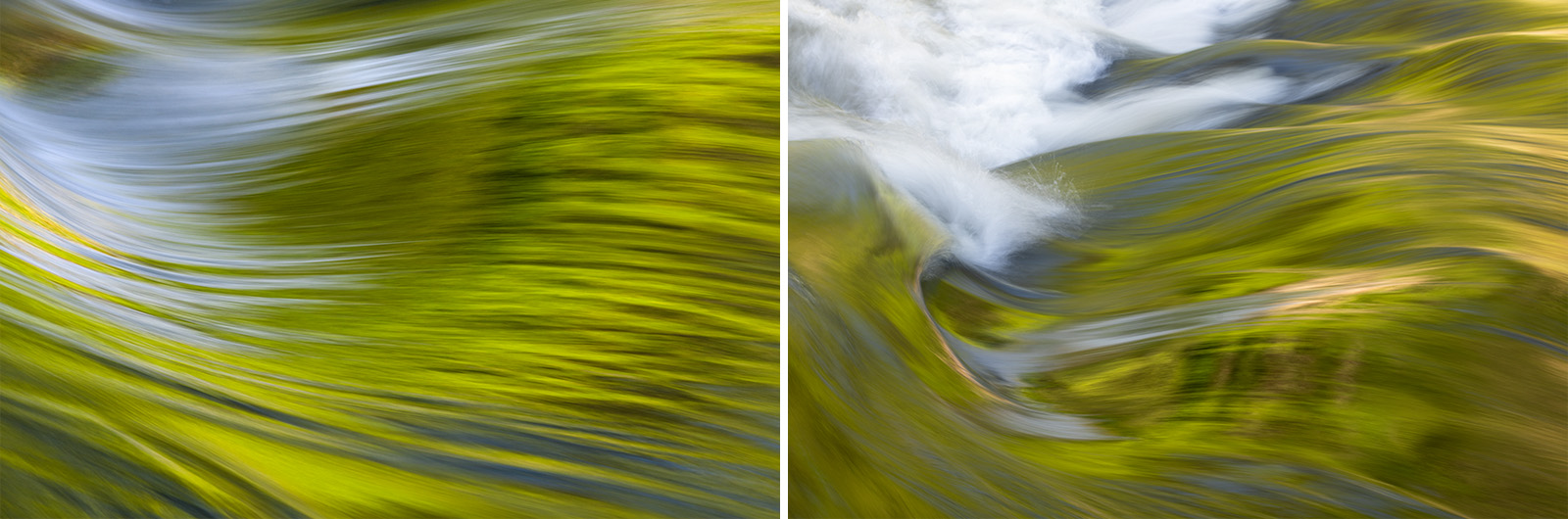
Sumter National Forest:  One of my favorite things to photograph at Long Creek Falls has become color reflections beneath the waterfall.  The eastern sun rises above the waterfall on the South Carolina side of the Chattooga and shines hot light onto the Georgia side of the Chattooga River.  The reflections within the turbulent waters beneath Long Creek Falls create endlessly unique compositions.
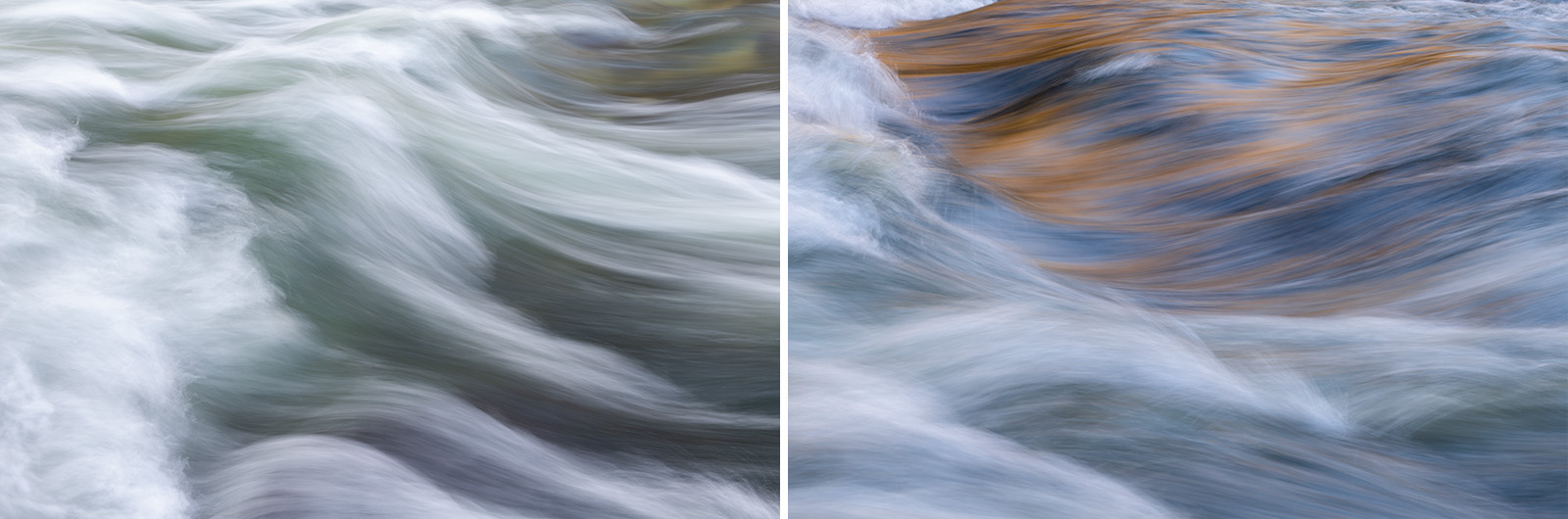
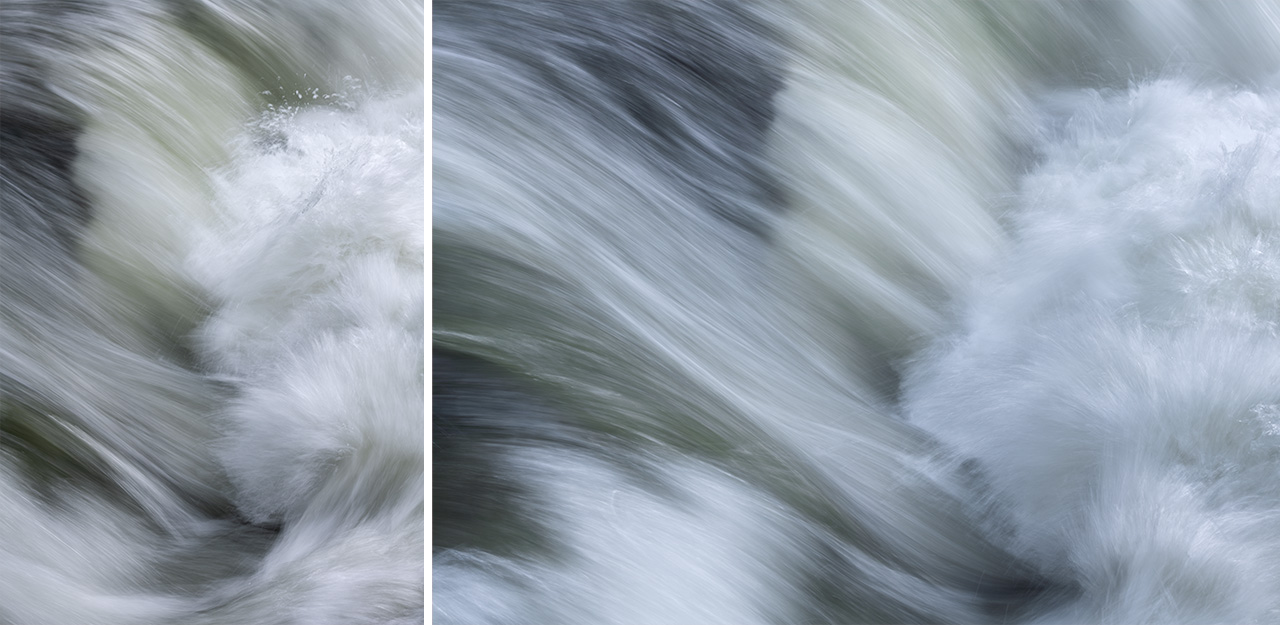
Sumter National Forest:  Whitewater flow along the Wild & Scenic Chattooga River.  One of the primary distinguishing characteristics of the Chattooga River is its free-flowing nature.  I try to visually portray that characteristic any chance I see an opportunity!
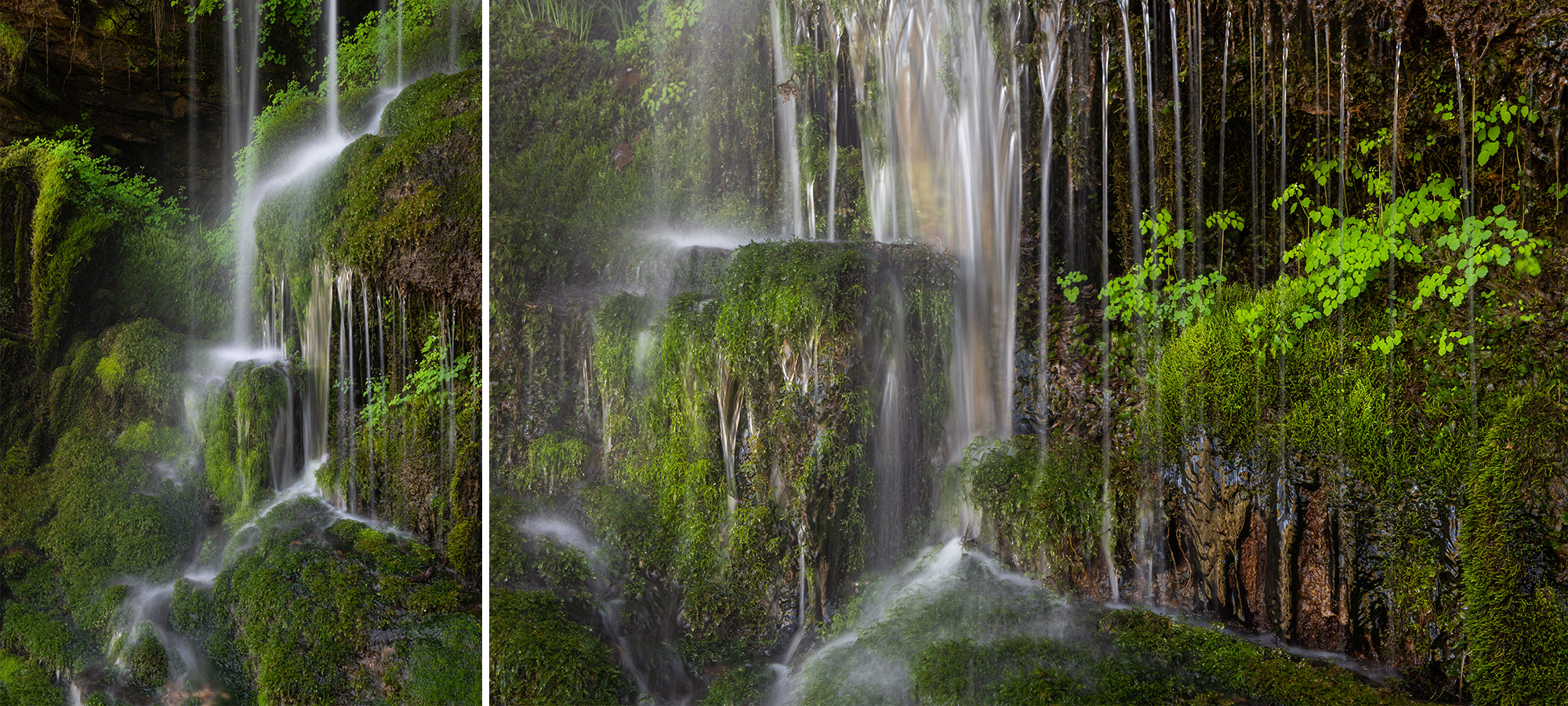
Sumter National Forest:  Homer’s Falls is a very small, lush waterfall emptying right into the Chattooga River.  I’ve read many articles that rate this waterfall low.  I disagree.  The character of this waterfall is not in the quantity of water or the size of the drop.  This is an intimate waterfall.  And it’s one of the greenest, lushest, mossiest waterfalls in Upstate South Carolina, I think.  Just be careful.  The trail and surroundings are very steep and very slippery!
Sumter National Forest:  After a creative (and clumsy) off-trail descent from the South Carolina side of the Chattooga River, I found myself photographing beautiful spring reflections in the swift waters at Raven’s Chute rapid.  Raven’s Chute is a technical class III to IV rapid on section four of the Wild & Scenic Chattooga River.
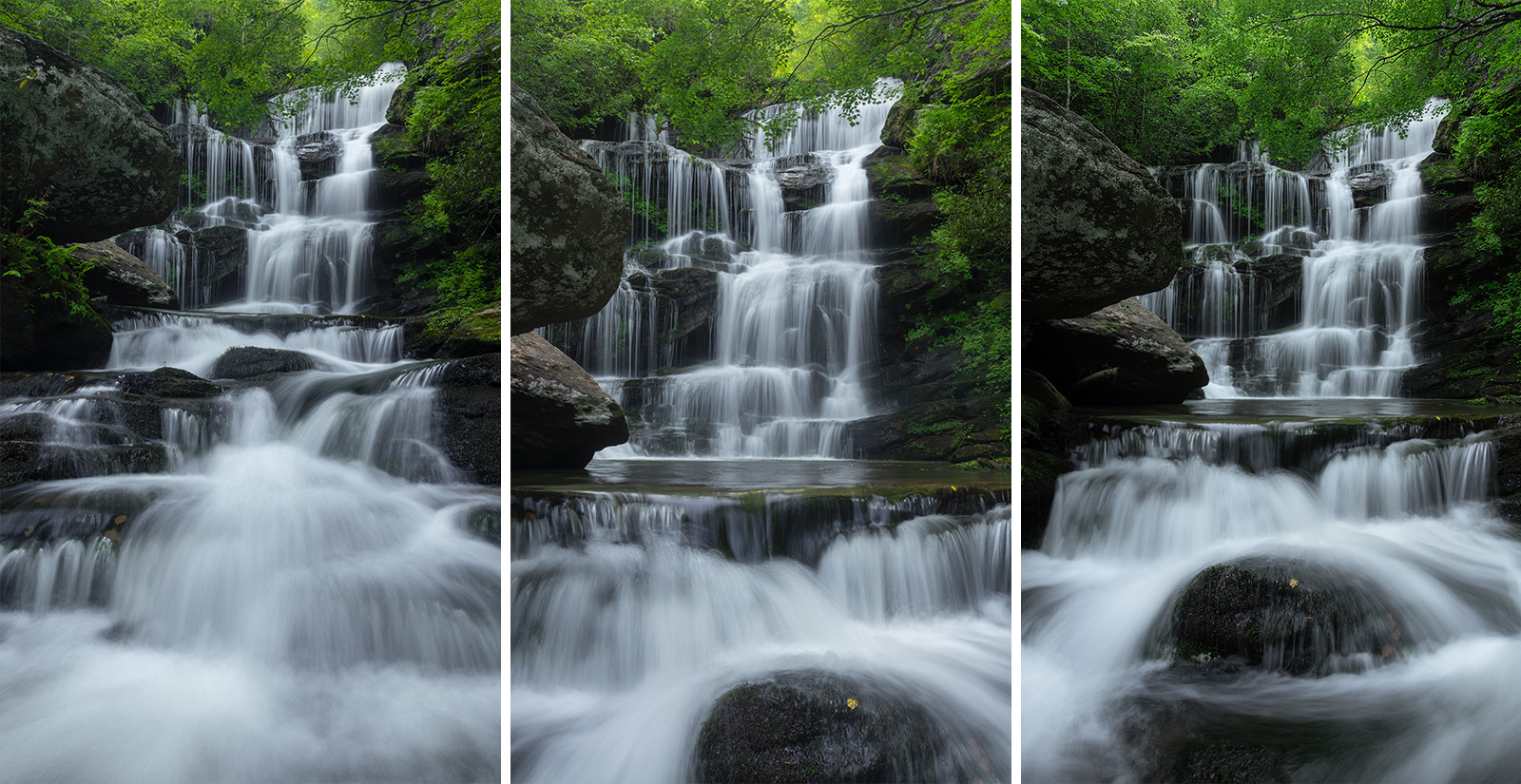
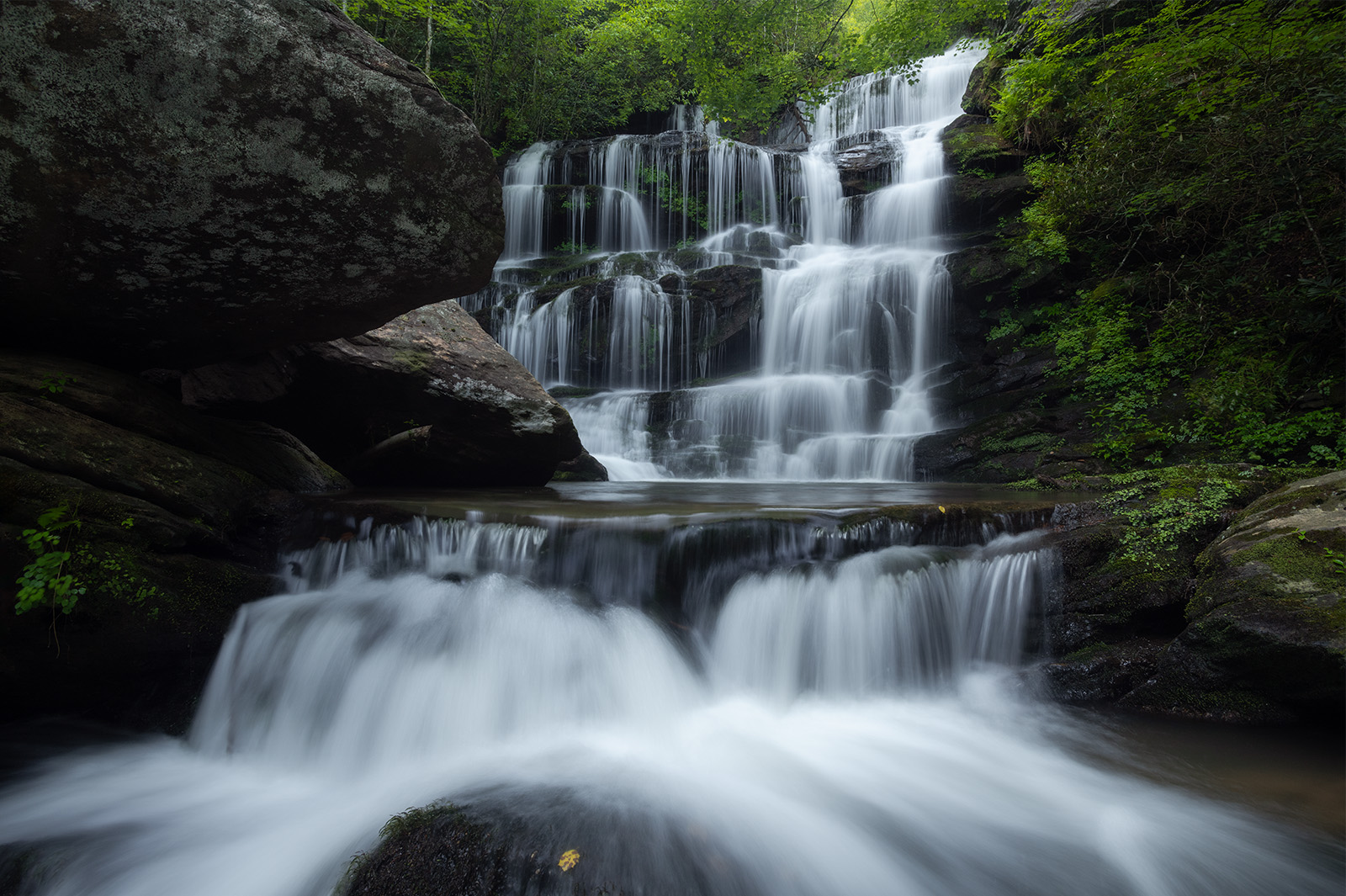
Sumter National Forest:  Upper Opossum Creek Falls is my favorite waterfall in Upstate South Carolina.  After two miles, the hiking trail dumps visitors at the bottom of Opossum Creek Falls, impressive in its own right.  However, the first time I scaled the side and popped out at the Upper Falls, my mouth was hanging!  Reaching and photographing this waterfall is a healthy mix of danger/risk with beauty/reward.  I never recommend standing at the top of a waterfall; this is the one waterfall that I go against my own instincts. 
Sumter National Forest:  Upper Opossum Creek Falls was my favorite hike and spot when I lived in nearby Upstate South Carolina.
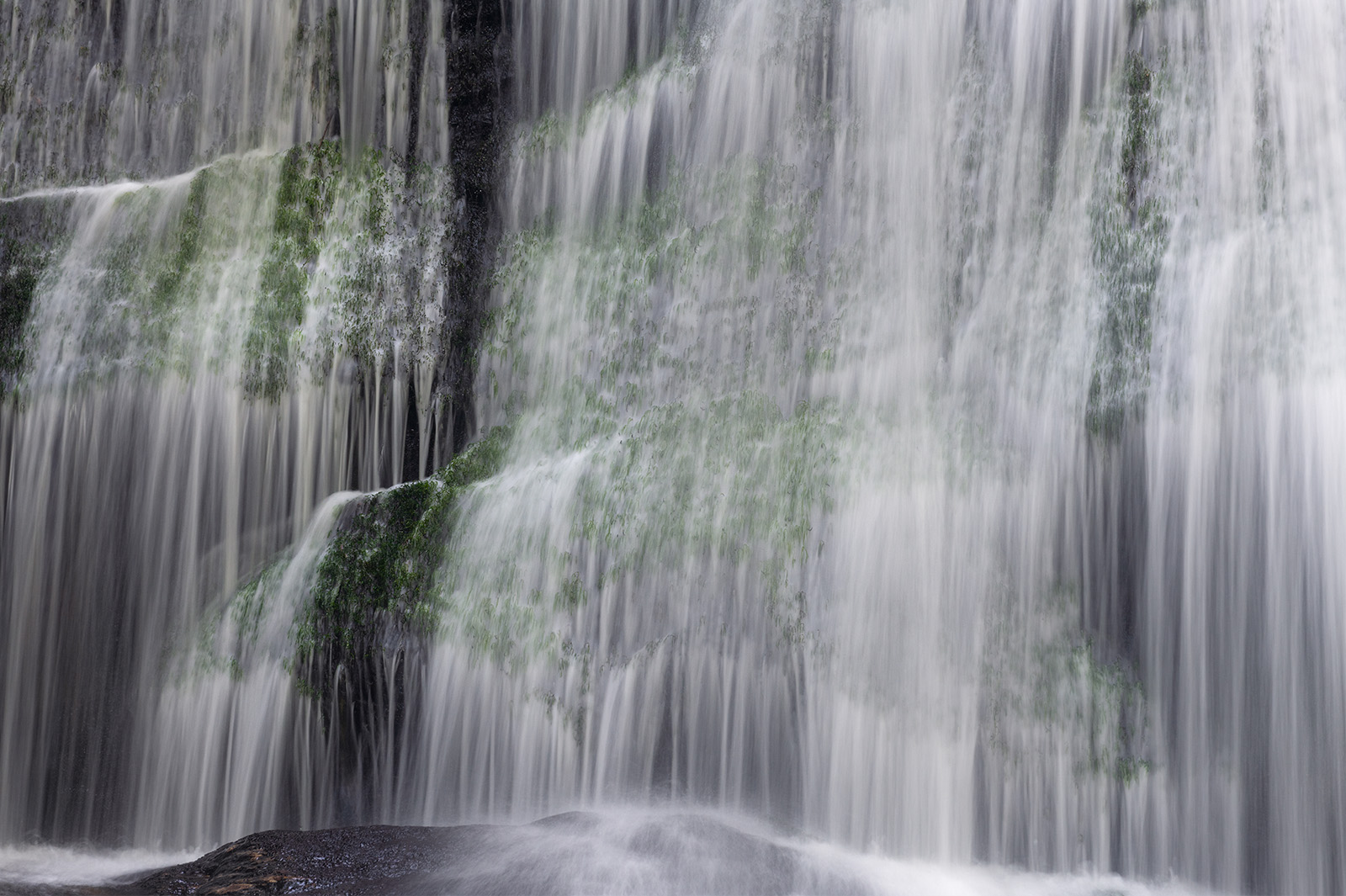
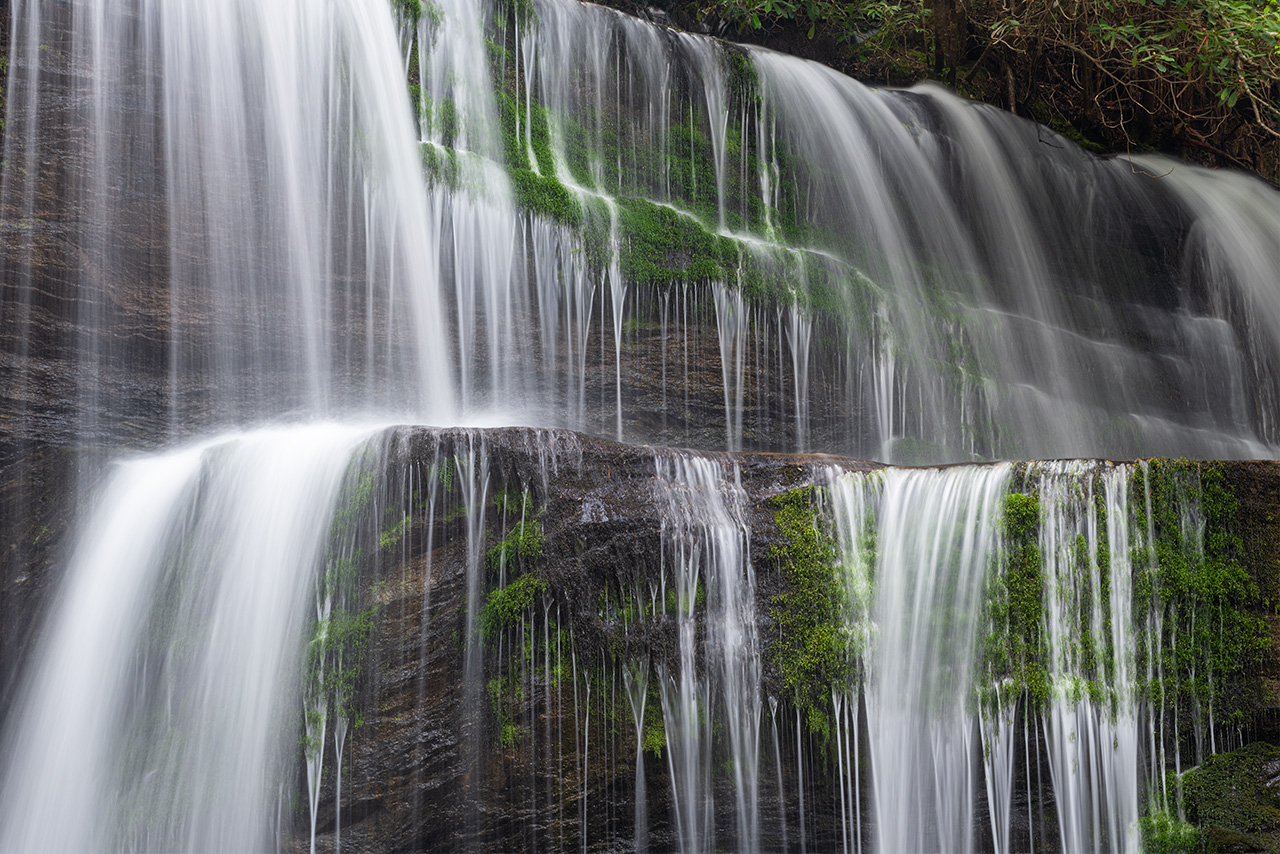
Sumter National Forest:  The bottom of Opossum Creek Falls sheets over vertically stacked rocks that support growth of some kind of green, grassy plant.  Using a longer lens, there are many intimate/abstract opportunities.
Sumter National Forest:  Sid’s Falls has always had a slightly hidden feel to me.  Not as popular as many waterfalls in the Chattooga watershed; no clearly established parking areas or trail signage.  However, the waterfall itself is quite beautiful.  A stair-stepped rock fall that looks good even with lower water levles, Sid’s Falls has always produced for me.
Sumter National Forest:  Fall Creek Falls isn’t my favorite, but it’s well worth a look regardless.  It’s more than one falls, actually.  There are four waterfalls that are along the hike to Fall Creek Falls, each with different character.  Here, I managed to catch the main falls with lower water levels and higher levels of green, mossy growth.
Sumter National Forest:  Gaywings (Chamaebuxus paucifolia) are relatively rare in South Carolina.  I’ve found them in several locations around the Chattooga River watershed, however.  And when you find them, they can often be abundant in their location.  NatureServe ranks Gaywings as S2 Vulnerable in South Carolina, making them a special find here along the Blue Wall.
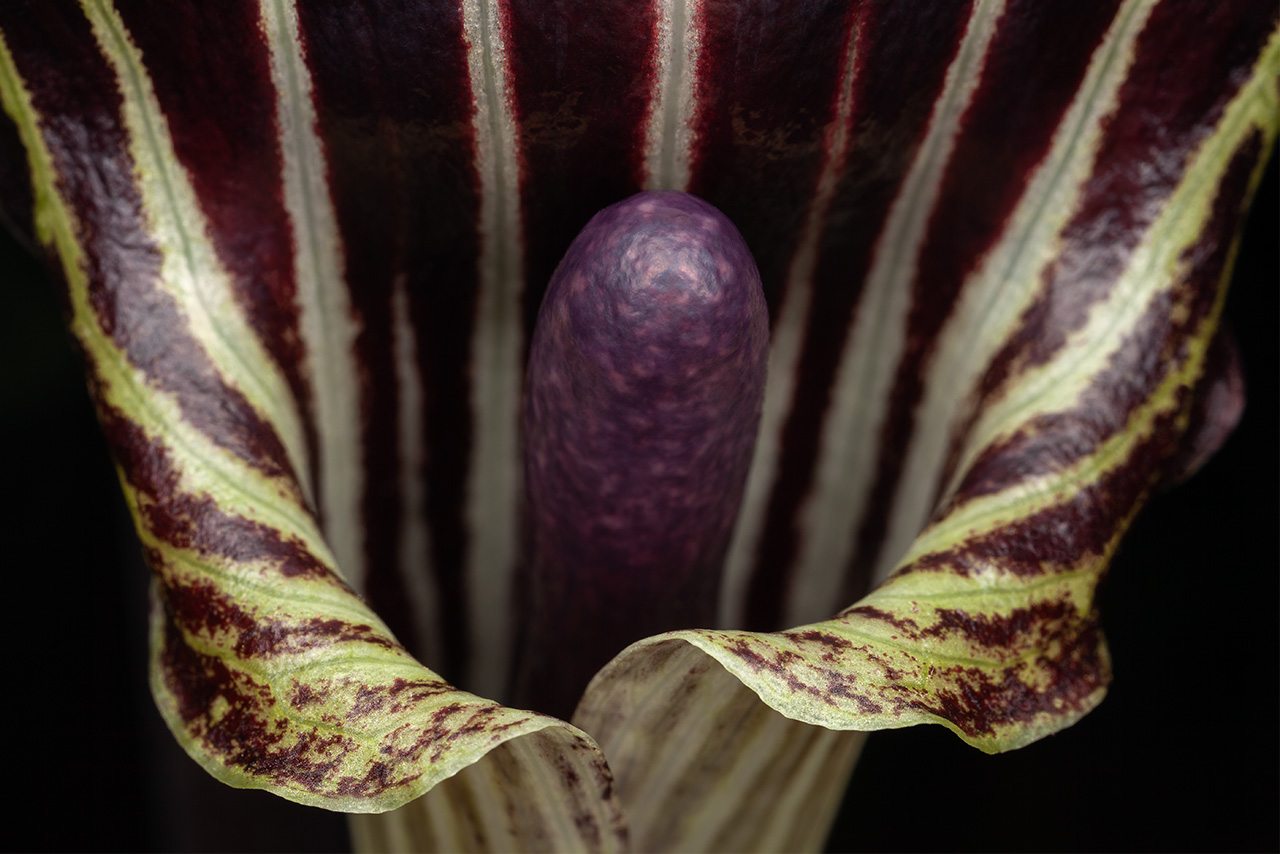
Sumter National Forest:  Jack-in-the-Pulpit wildflowers (Arisaema triphyllum) are relatively common in all three National Forests along the western edge of the Blue Wall.  Making a good photograph of them, for me, has been the rare bit!
Sumter National Forest:  The Chauga River is a thirty-one mile tributary stream located entirely within Oconee County, South Carolina.  This is the Chauga Narrows.  I shot this photograph in 2014 and haven’t been able to execute a visit since without the narrows being full of downed trees and debris!
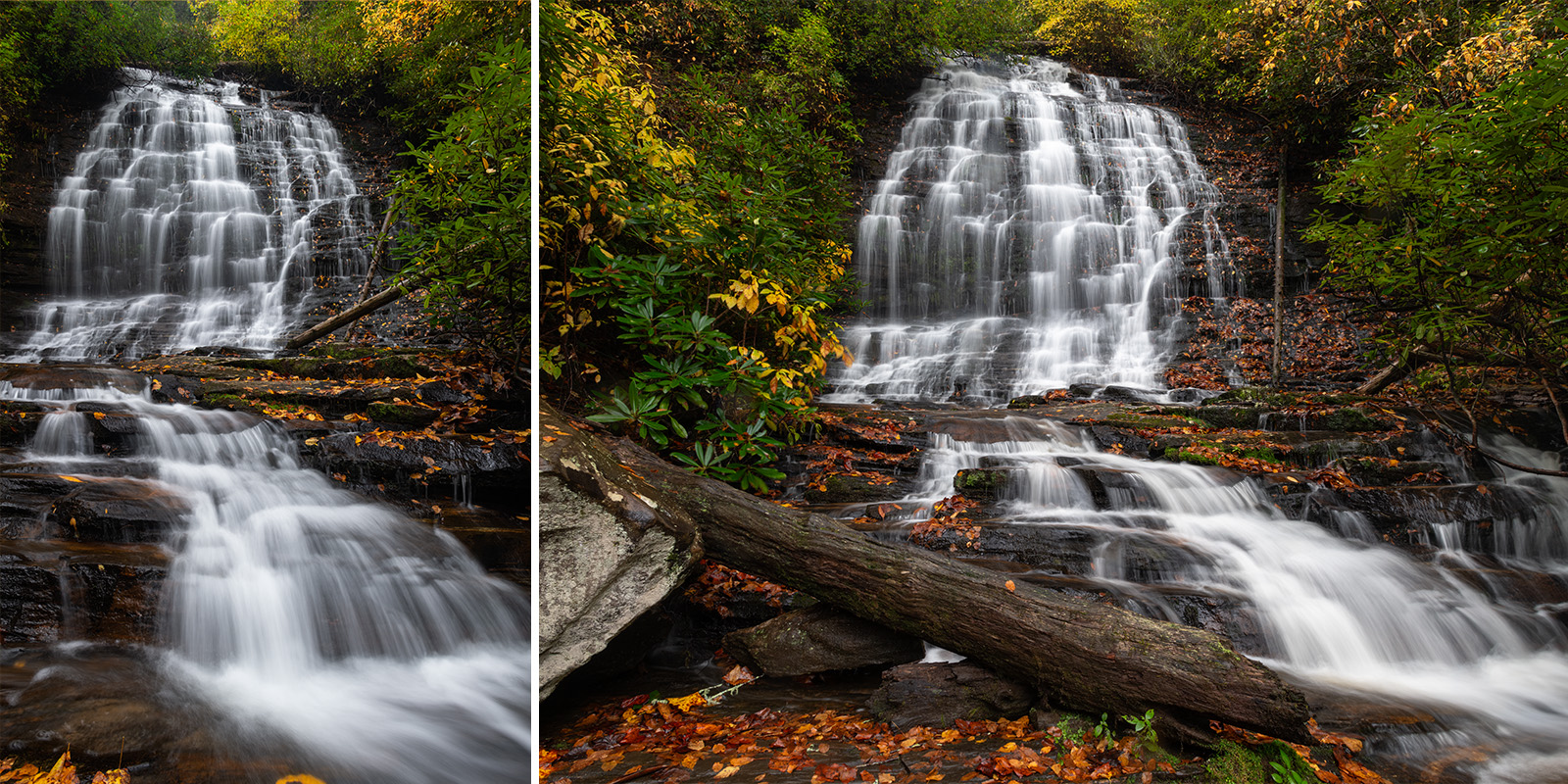
Sumter National Forest:  Spoonauger Falls is one of the easiest waterfalls to access along the Blue Wall.  A short hike from the Burrell’s Ford Bridge area within the Chattooga River watershed lands you at the base of this elegant waterfall and its endless stair-step cascades.  It’s particularly handsome in autumn with many fallen leaves along the wet rocks.
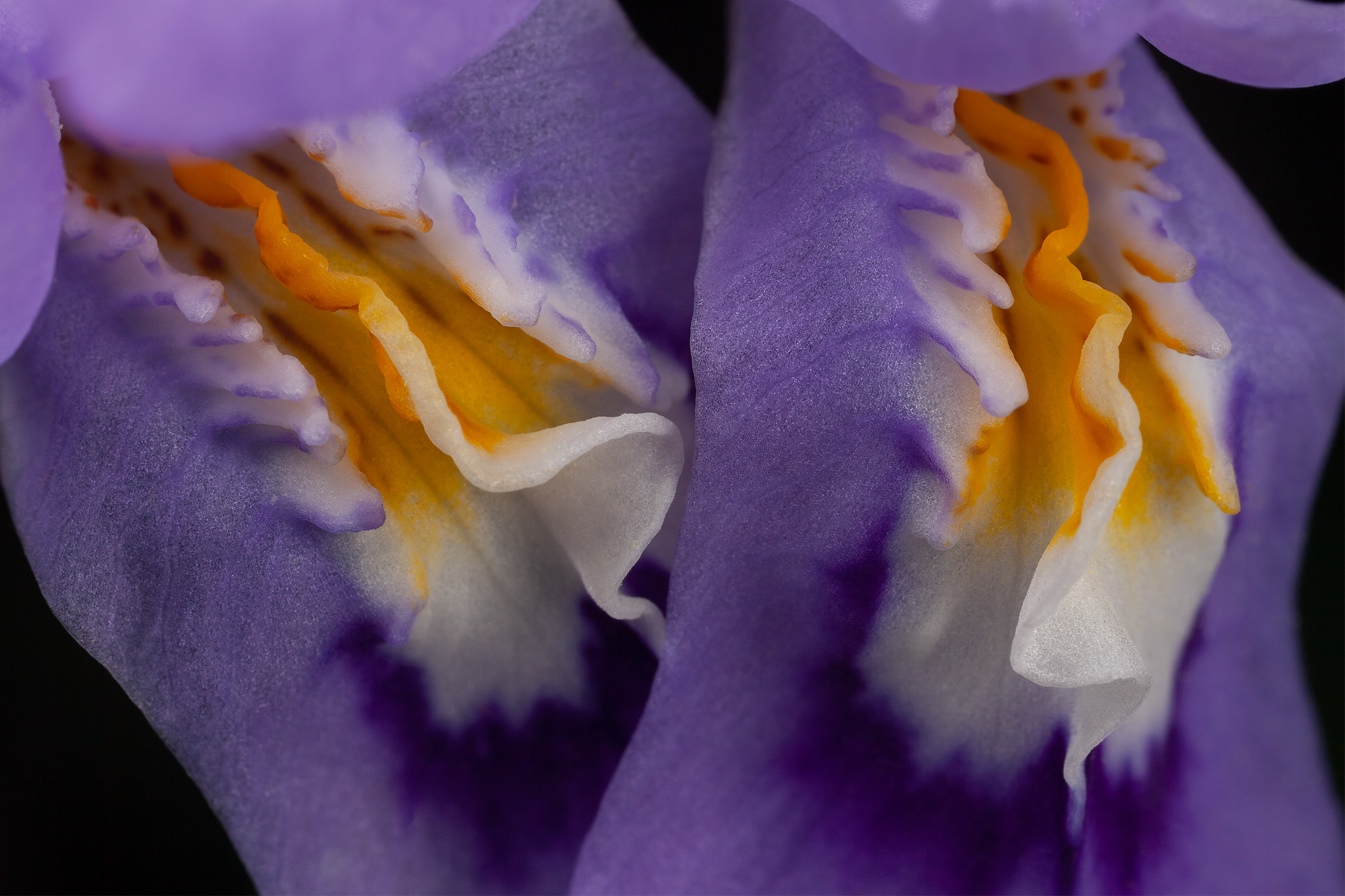
Sumter National Forest:  A couple of Crested Purple Iris wildflowers along the Chattooga River Trail near just downstream of the Burrells Ford Campground area along Section 2 of the Chattooga River.
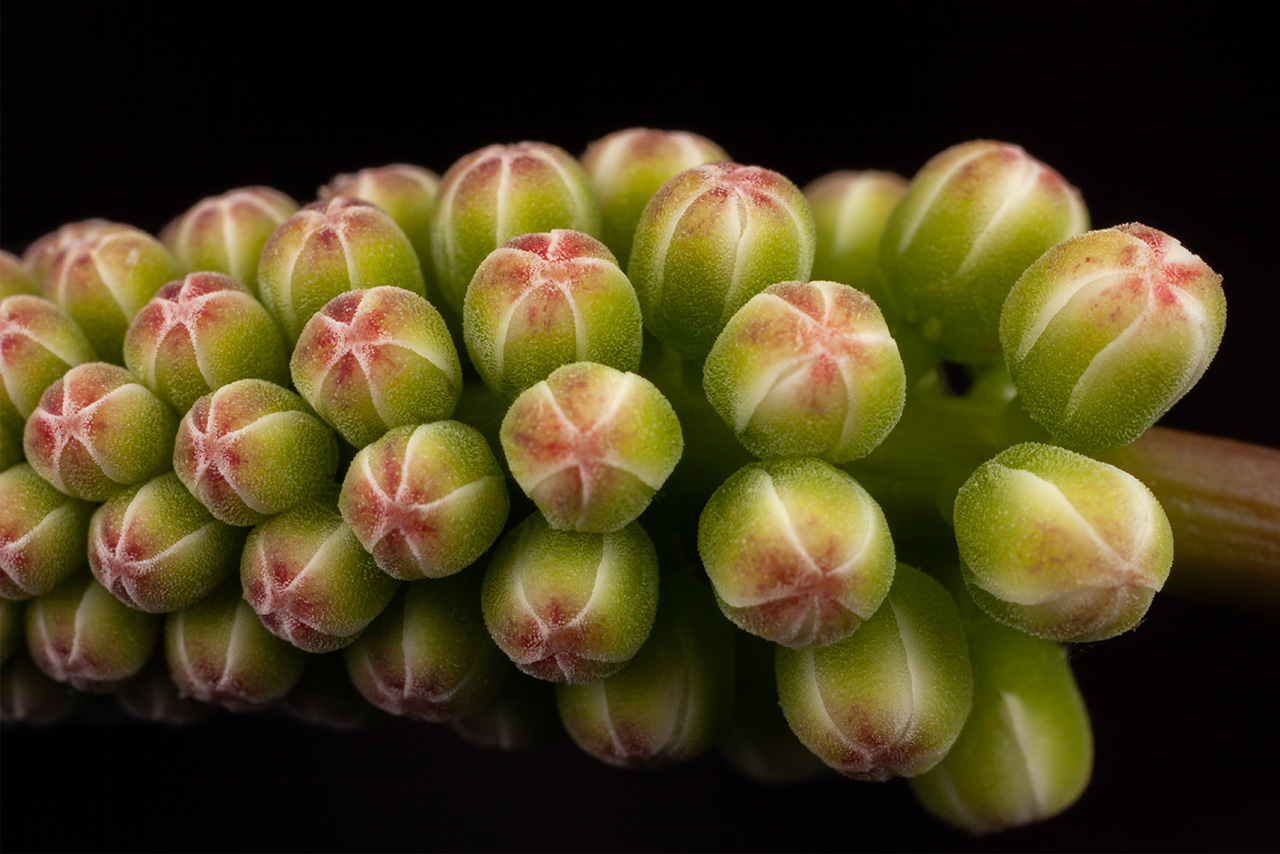
Sumter National Forest:  The tiny buds of Galax flowers growing along the East Fork of the Chattooga River in Upstate South Carolina.  I’ve been taken with this common wildflower since I first tried to macro it’s early bloom.  Somehow, I still struggle to get sharp frames with these little beauties!
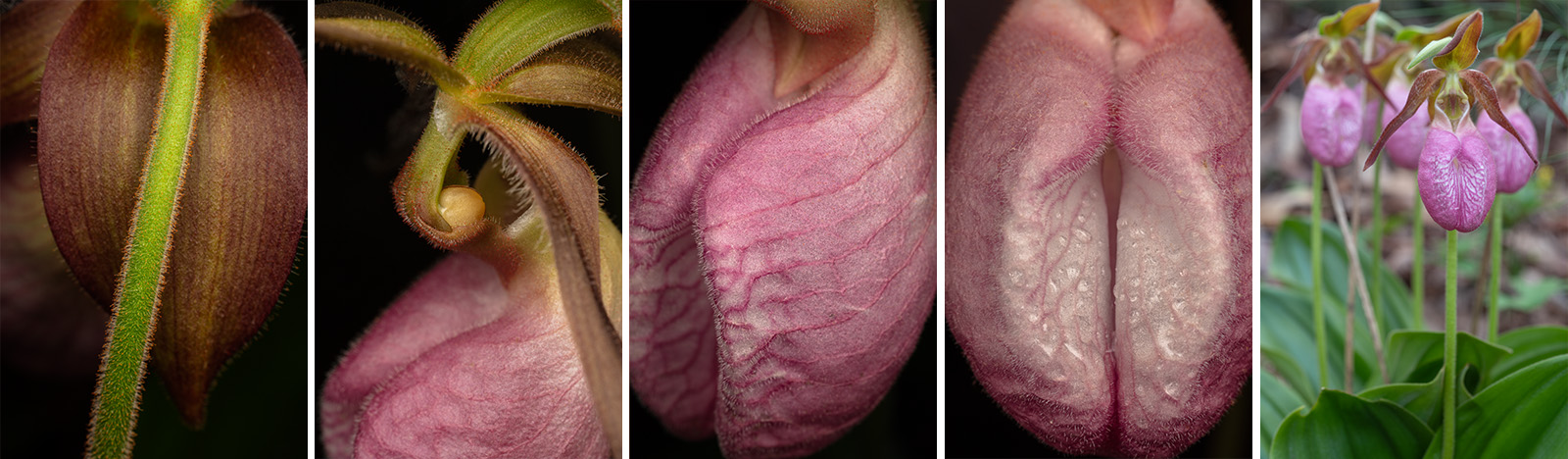
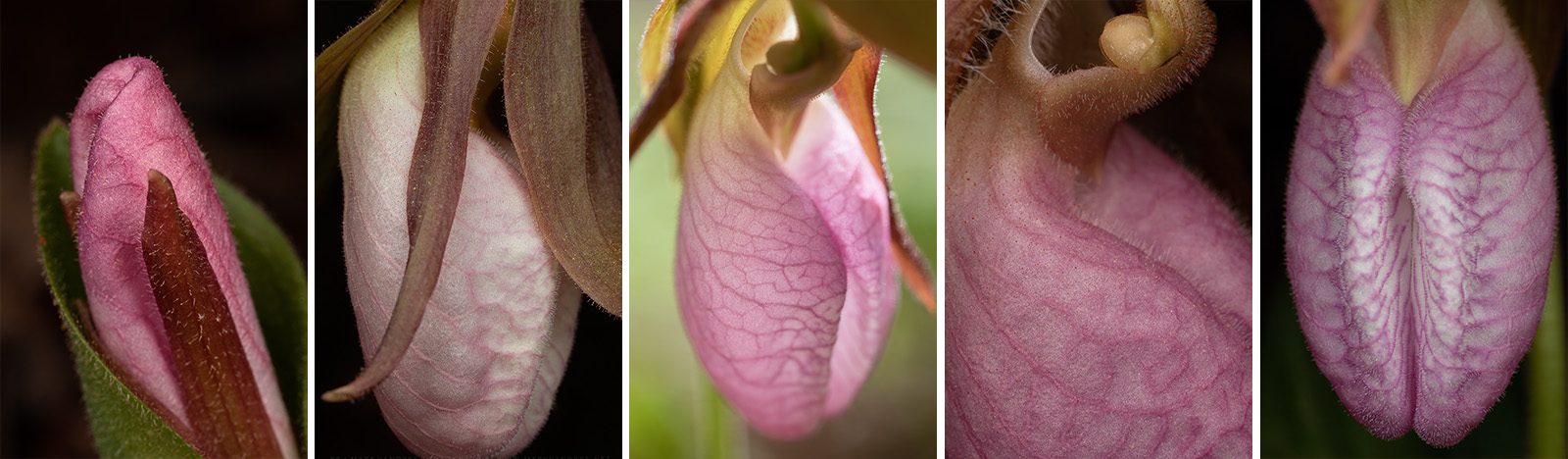
Sumter National Forest:  The Pink Lady Slipper (Cypripedium acaule) is not a rare wildflower within the Southern Appalachian Mountains.  However, finding these beautiful orchids is always special.  There are a few spots within the Chattooga River watershed and the Nantahala National Forest where I can consistently find them.  Typical of orchids, they are rather suggestive flowers :-).
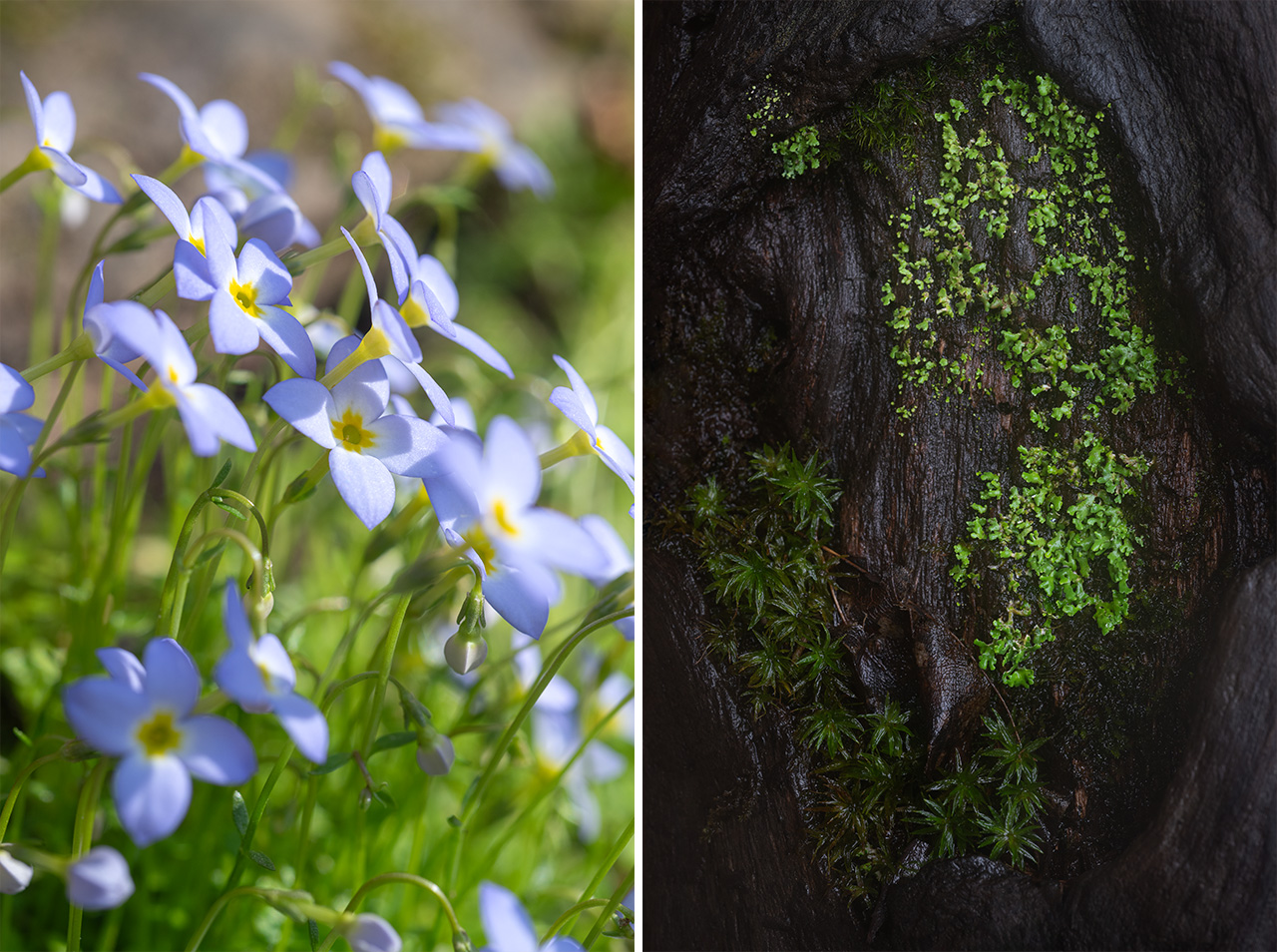
Sumter National Forest:  Light and dark.  (Left) Bluet wildflowers grow in number near Spoonauger Falls.  Mosses grow within a knot on a fallen tree across the Chattooga River Trail near Burrells Ford and Section 2 of the river.
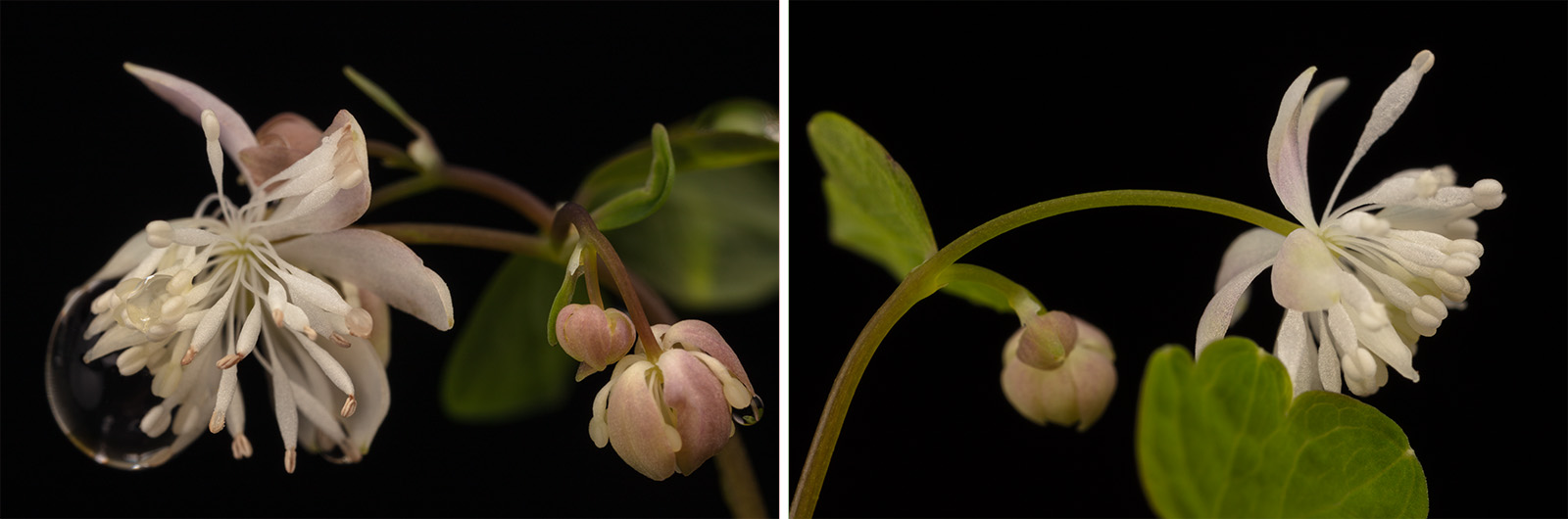
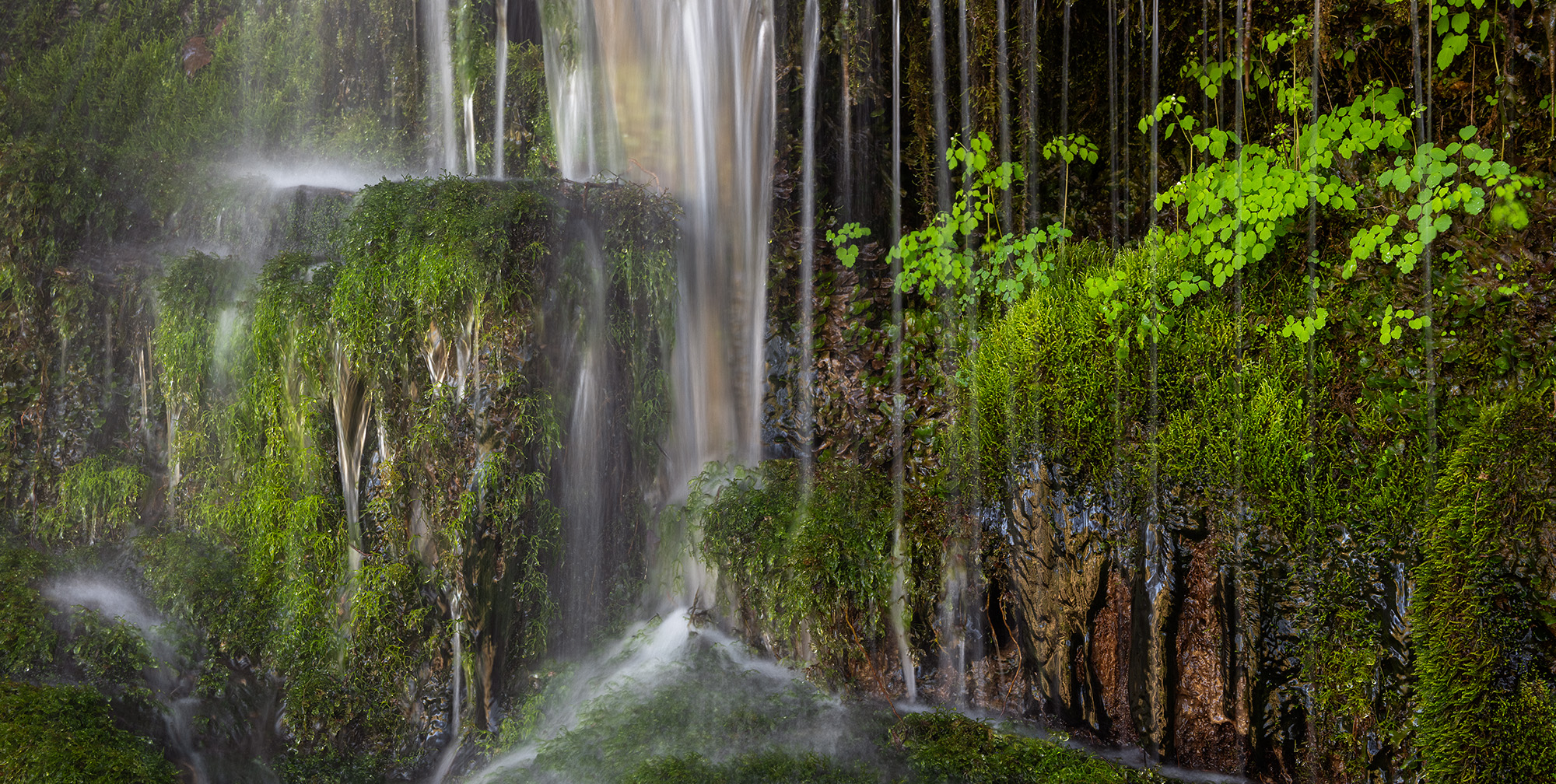
Sumter National Forest:  Mountain Meadow Rue (Thalictrum clavatum) is one of the most challenging wildflowers I’ve ever tried to photograph.  They often grow on spray cliffs behind and near waterfalls, where dripping water keeps them bouncing around and the camera in danger!  Not to mention, they are very small:  these images are two-times life size.
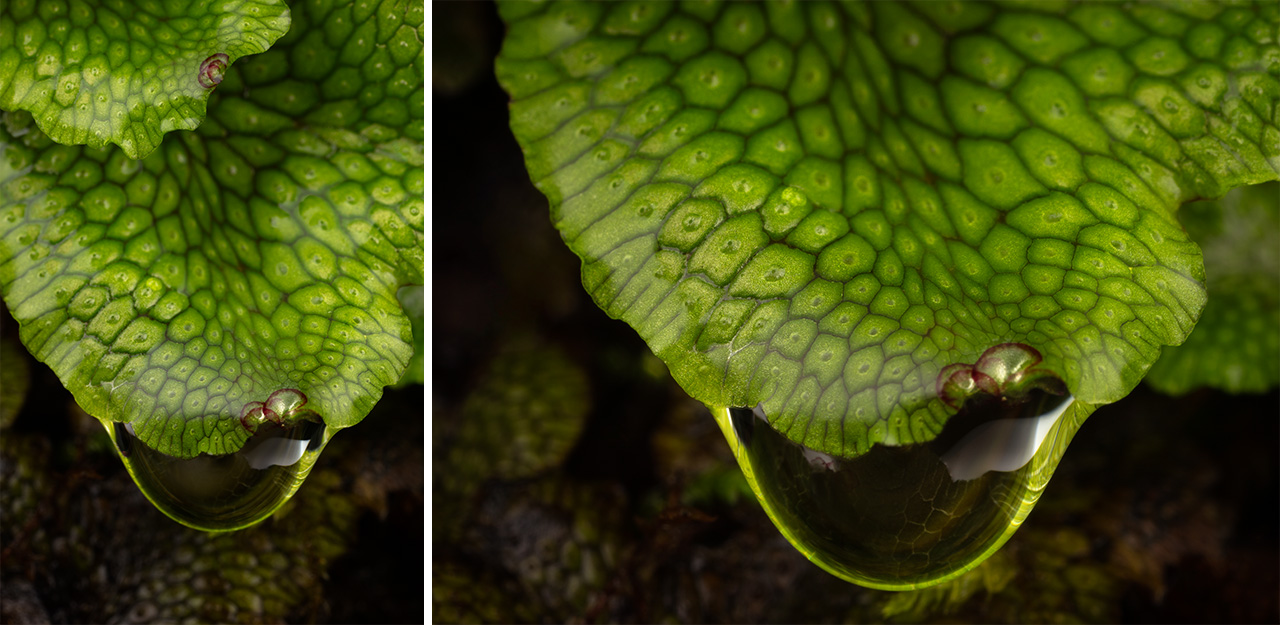
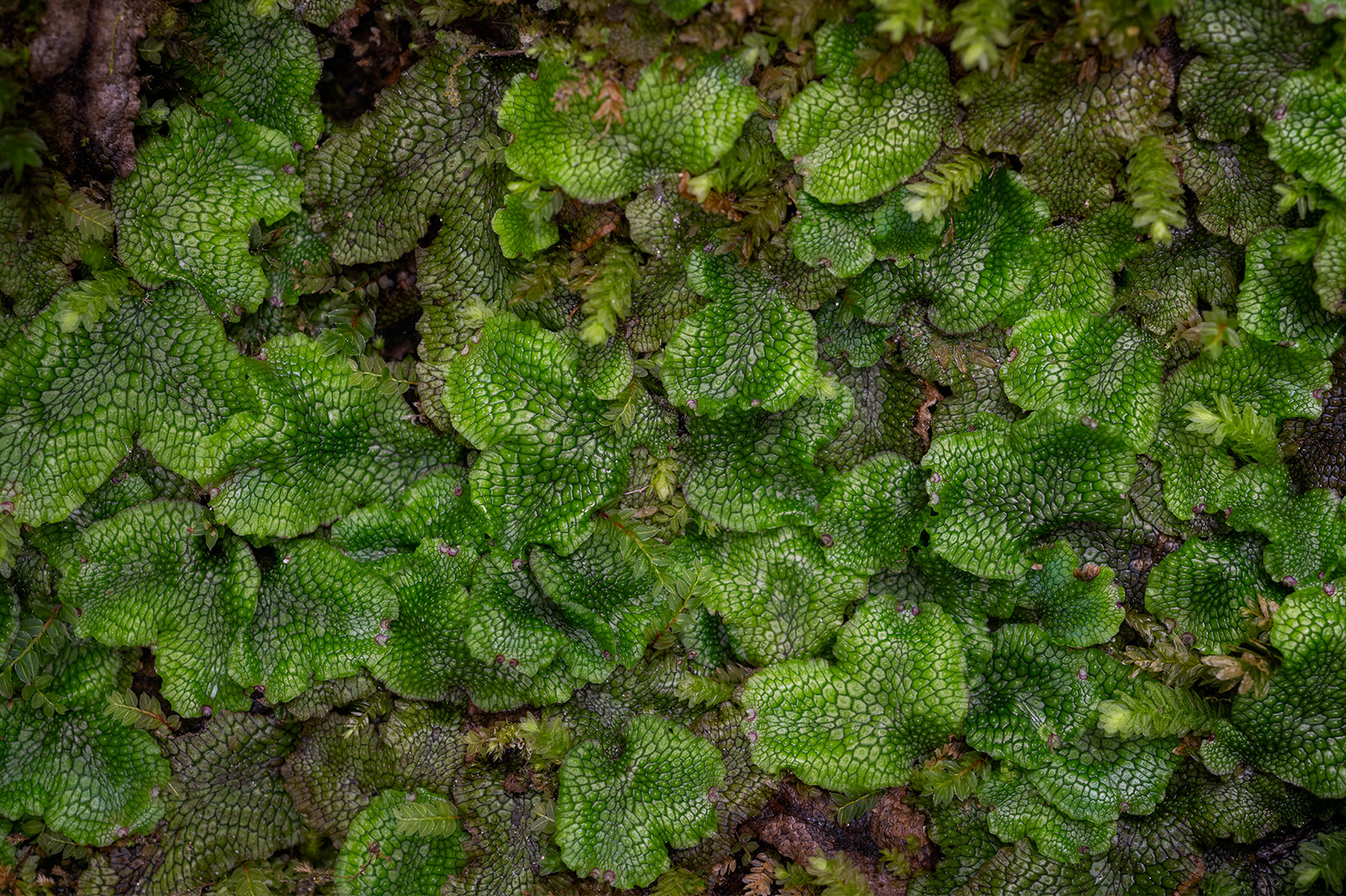
Sumter National Forest:  Liverworts fascinate me.  They are non-vascular land plants, bryophytes to be specific.  I find them most often on the rock walls of waterfalls, as well as along seepages and streams.  The little cells and bright green, glowing color always draw my lens!
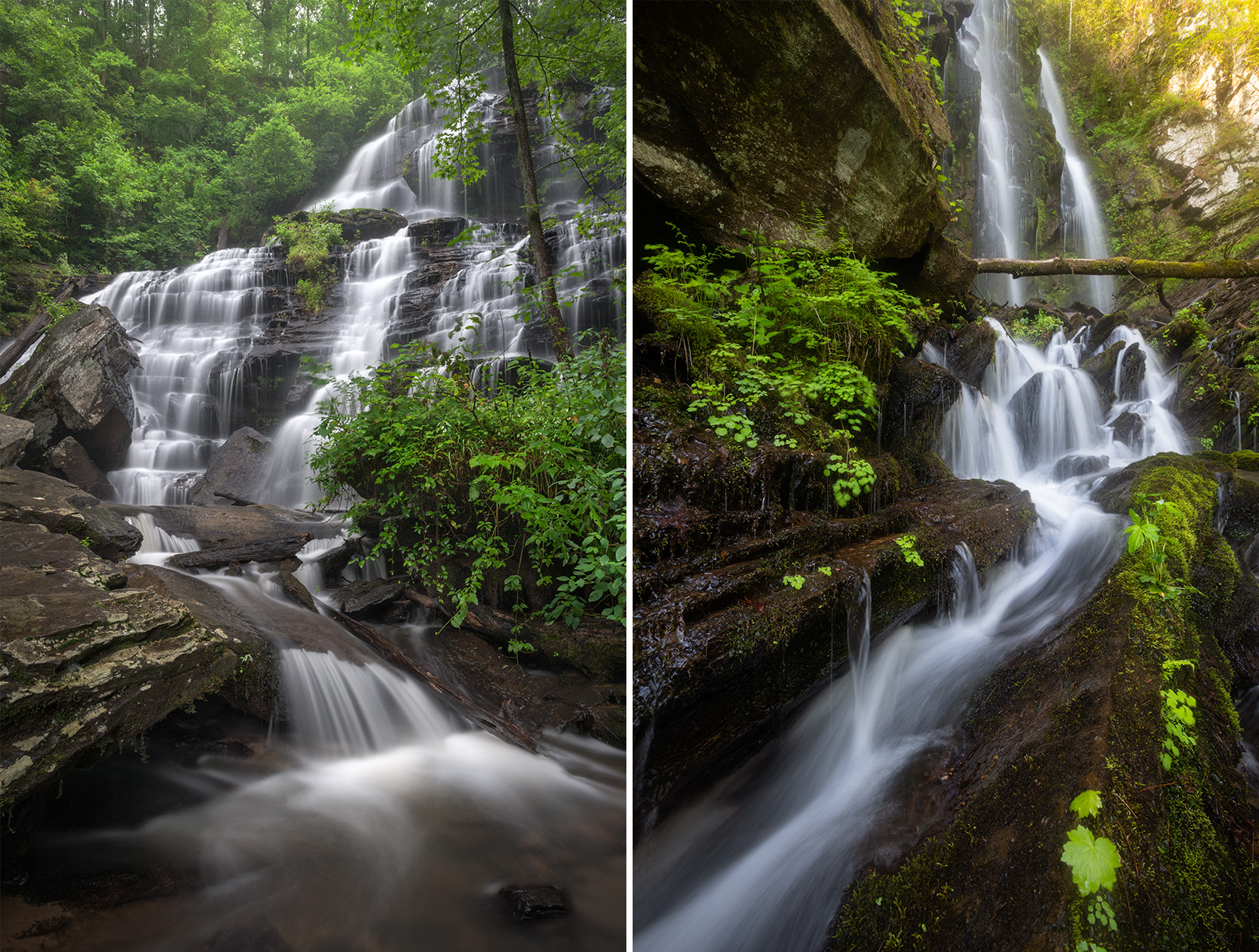
Sumter National Forest:  There are over three hundred waterfalls within Oconee County.  Their form, shape, and height are incredibly diverse.  Issaqueena Falls is one of the most popular and accessible waterfalls.  Lee Falls (right), on the other hand, is a short hike through experimental fields and an increasingly difficult stretch of forest after Helene brought down many trees in the area.
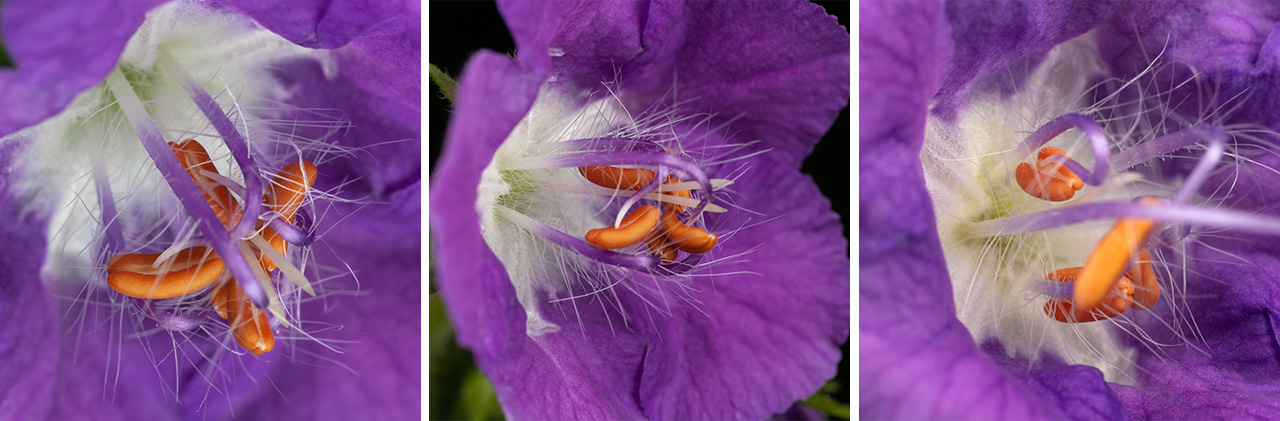
Sumter National Forest:  Fernleaf Phacelia (Phacelia bipinnatifida) is a rare wildflower in South Carolina, ranked S1 Critically Imperiled by NatureServe.  It grows within rich cove forest, often near waterfalls.
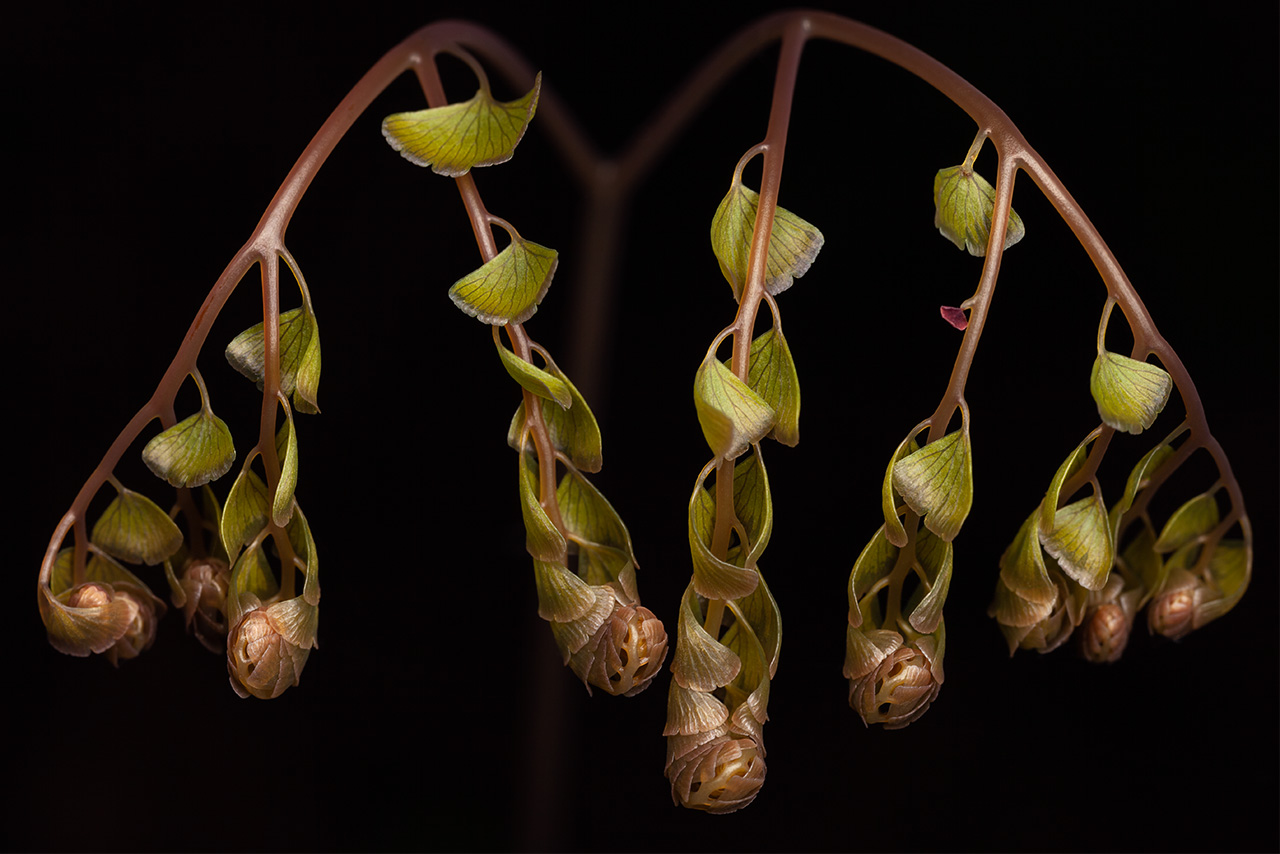
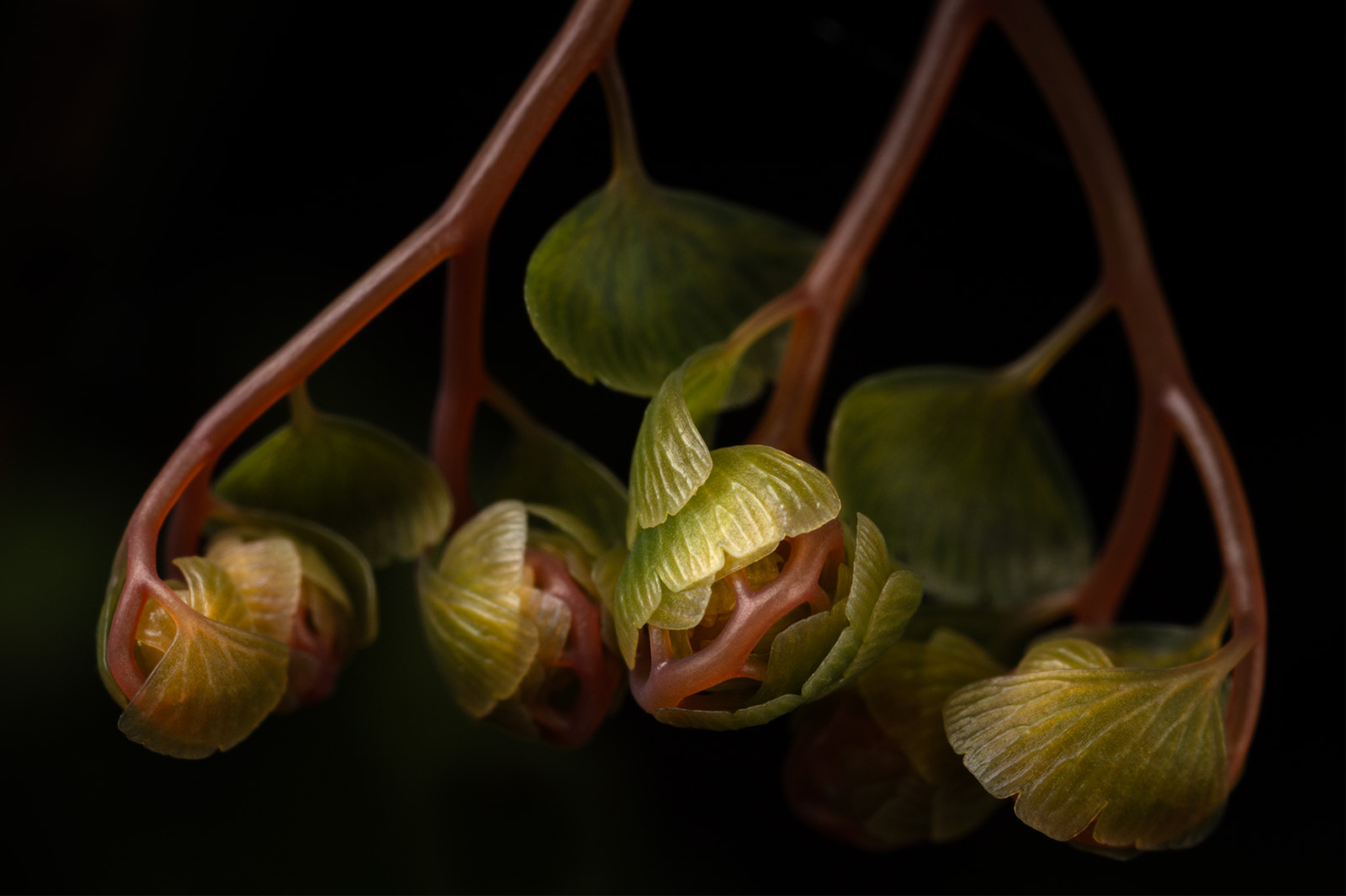
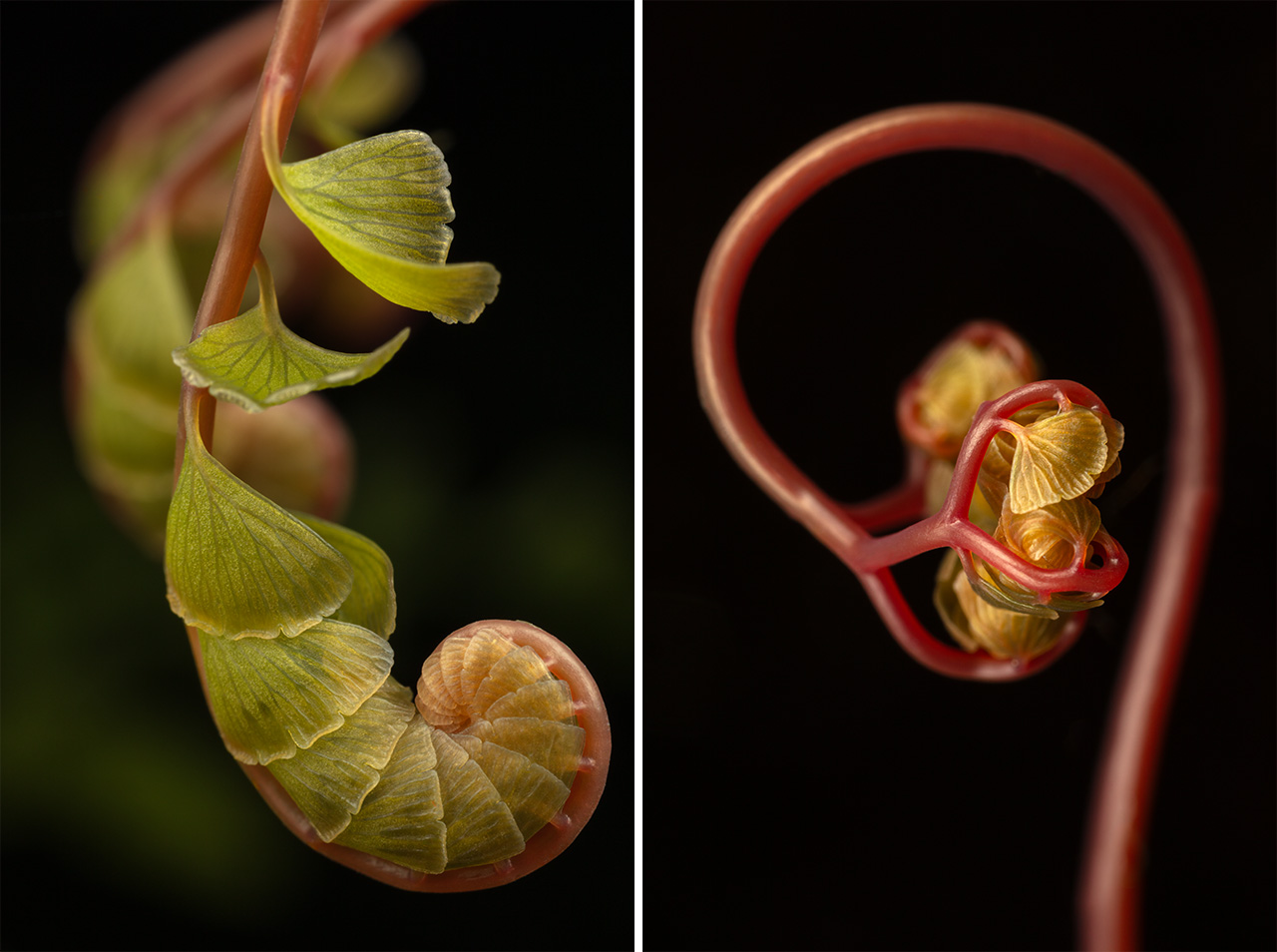
Sumter National Forest:  Juvenile Maidenhair Ferns are asbolutely fascinating behind the lens, I think!  They are why I love macro.  This photographs was purely luck:  shooting at greater than life-size, hand-held with artificial flash, it’s only luck that delivered this frame.  I can’t get enough of these tiny plants!
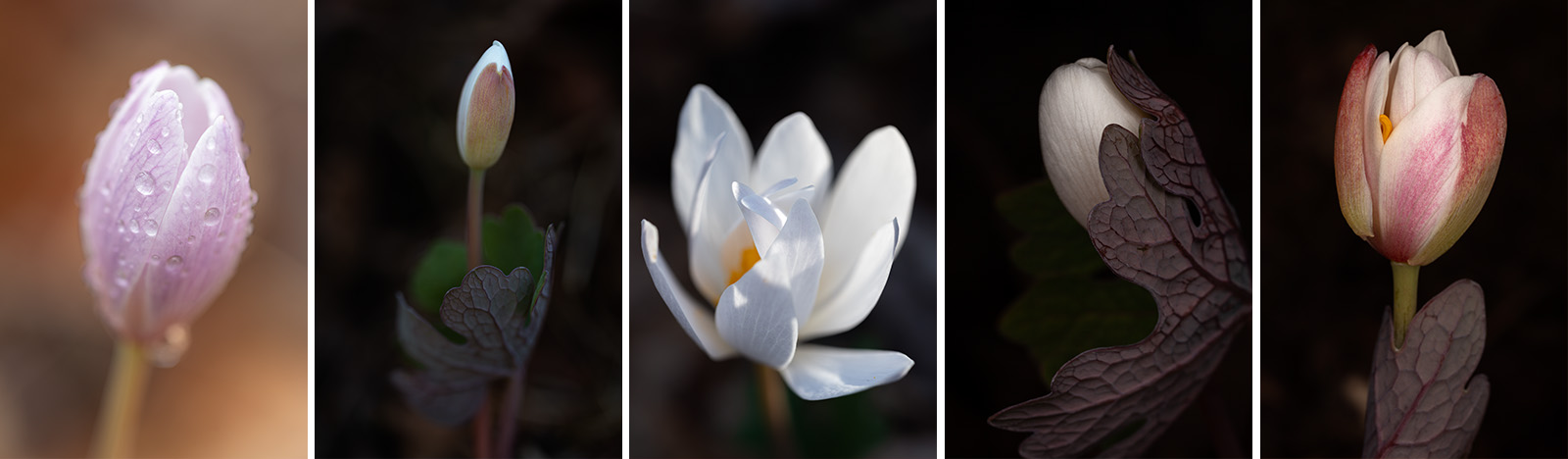
Sumter National Forest:  Bloodroot (Sanguinaria canadensis) is a very common spring ephmeral wildflower along the Blue Wall.  The neat characteristic of Bloodroot is it’s one large leaf that hugs the bloom as it rises from the forest floor.  Catching this early interaction is always a goal behind my lens.
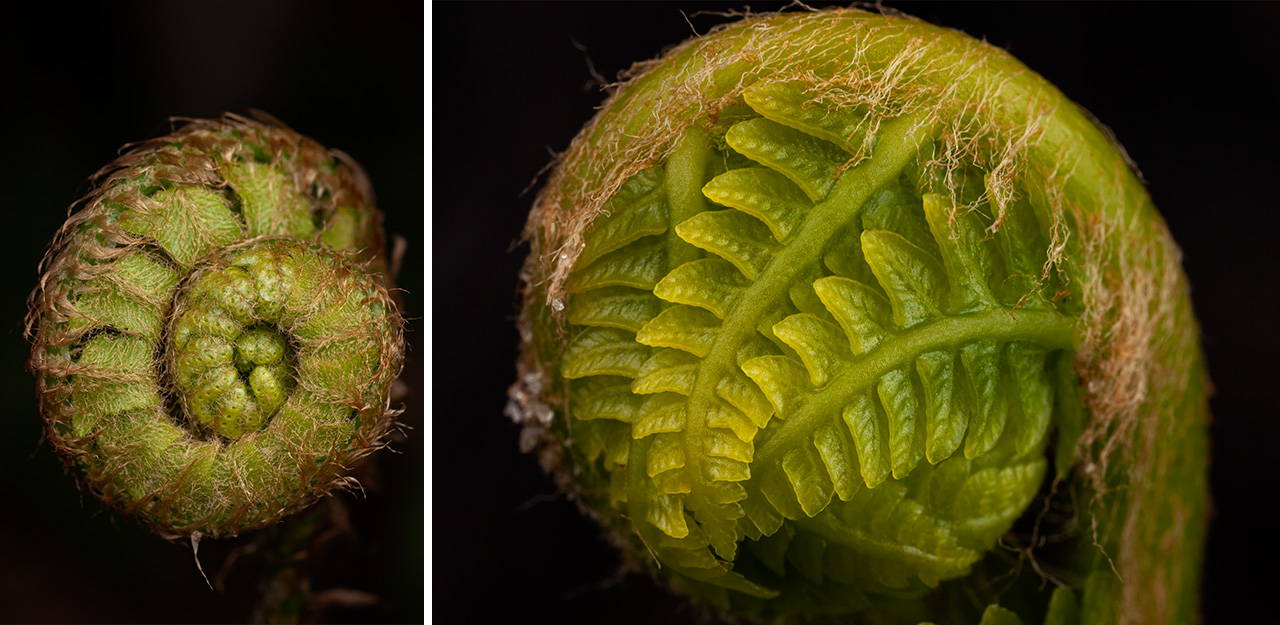
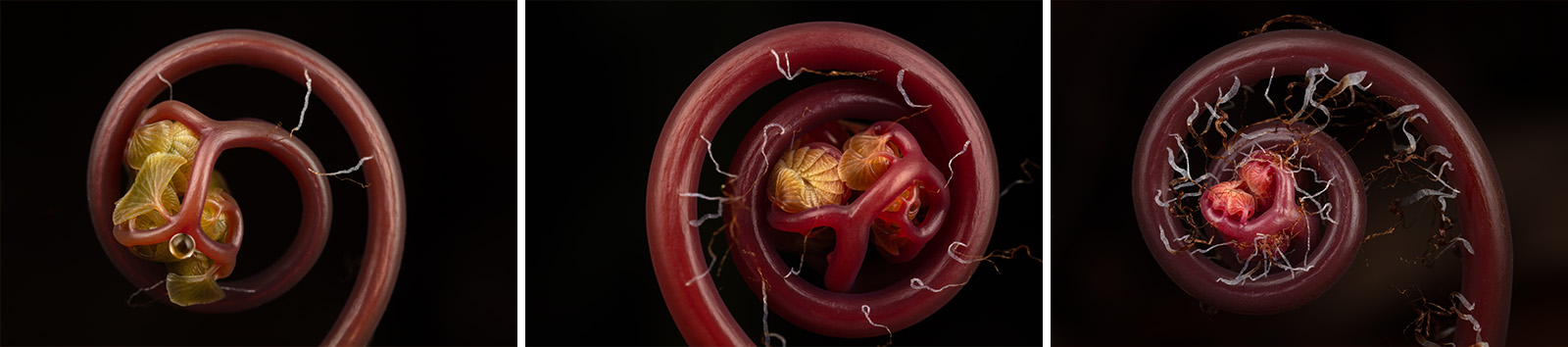
Sumter National Forest:  I find ferns beautiful.  Especially in their early stages when they are tightly coiled balls of energy, waiting to unfurl into their full shapes and forms.  Ferns are a large part of the lush feel that you’ll find along many trails around waterfalls along the Blue Wall.
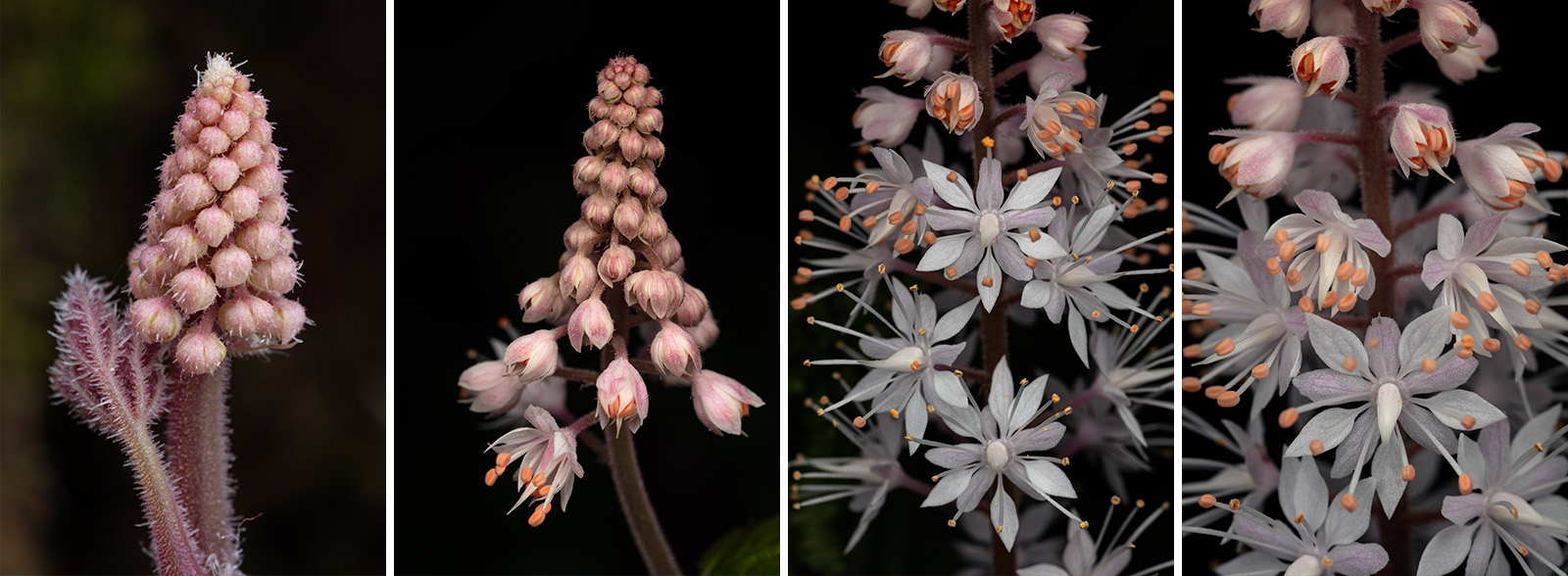
Sumter National Forest:  Foamflower is another common wildflower in the Southern Appalachian Mountains and along the Blue Wall.  The orange pops against white petals are always striking, to me.
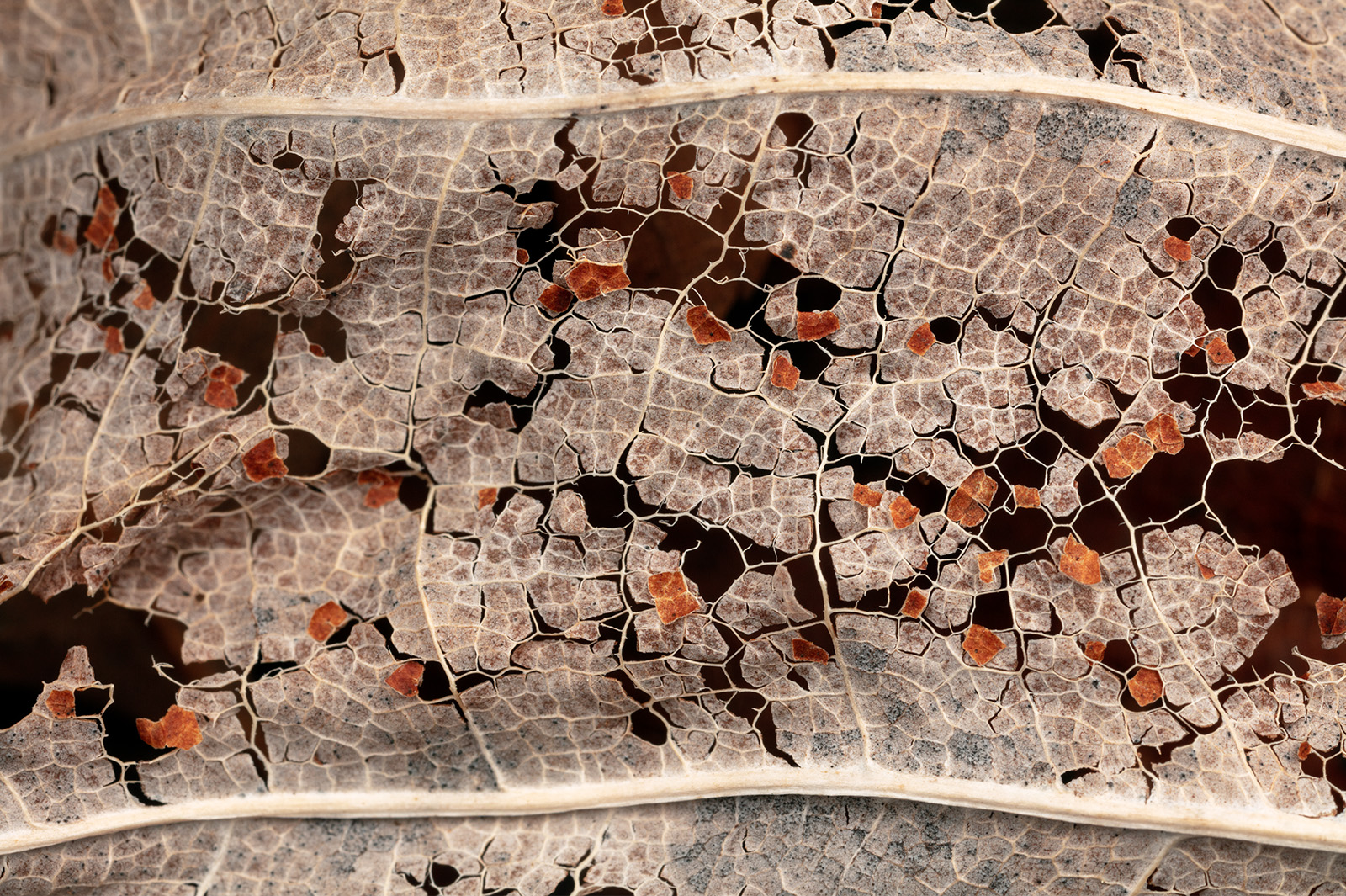
Sumter National Forest:  While hiking into a rich cove forest, I found this decaying leaf from the previous season.  It’s cellular structure and multi-colors reminded me of a plot map of a suburban neighborhood with main roads and varying lot sizes etc.  What can I say, I studied the built environment in college and I see patterns in nature (or vice versa)!
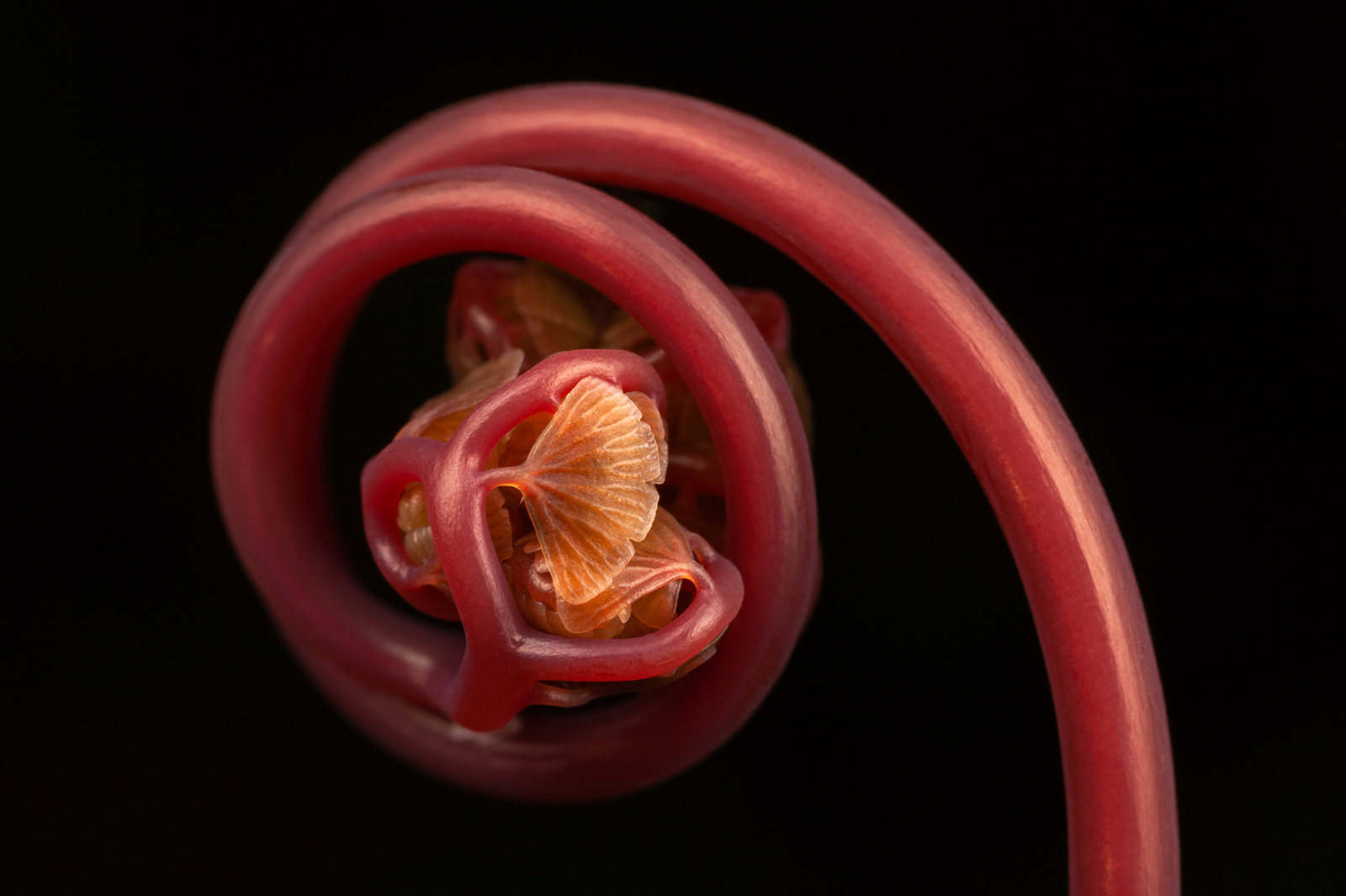
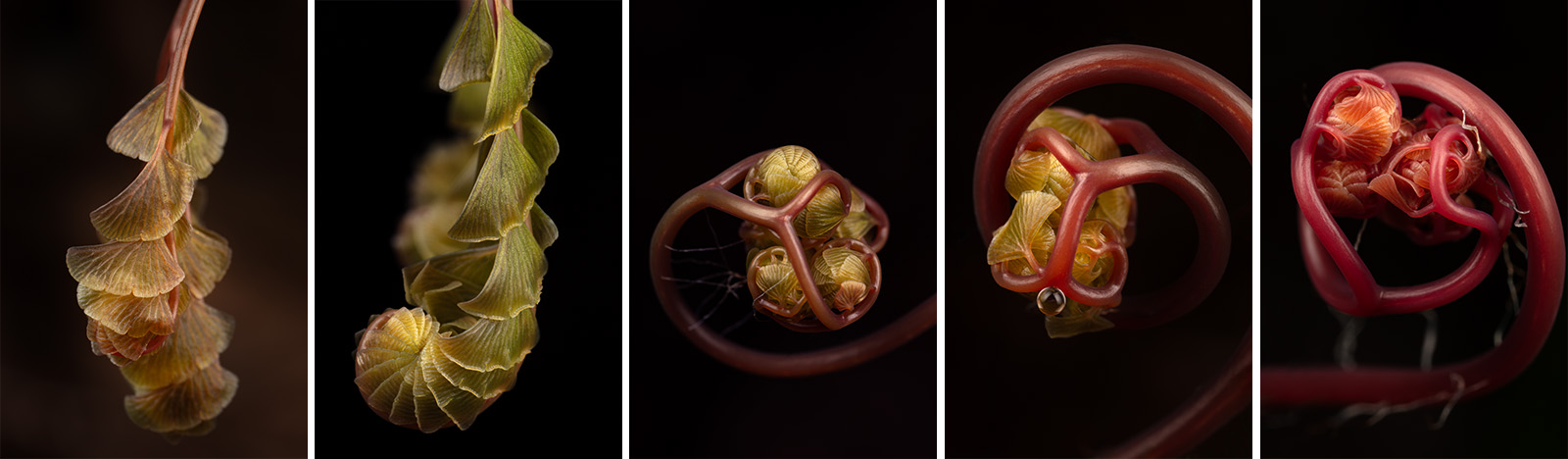
Sumter National Forest:  Probably the most exciting macro subject I’ve had the past few years!  Juvenile Maidenhair Ferns rise from the forest floor in early spring with deep, rich red stems and translucent, glowing, fan-shaped leaves.  Using an external flash and a camera rig that allows me to photograph at greater than life-size brings these tiny plants to life in a way that is nothing short of addictive to me!
Sumter National Forest:  Maidenhair Ferns grow near waterfalls and streams along the Blue Wall.  If you visit during the spring ephemeral bloom–when the forest and trees are still brown with winter slumber–look for the deep red stems shooting through the leaf litter along wet stream banks and trailsides.
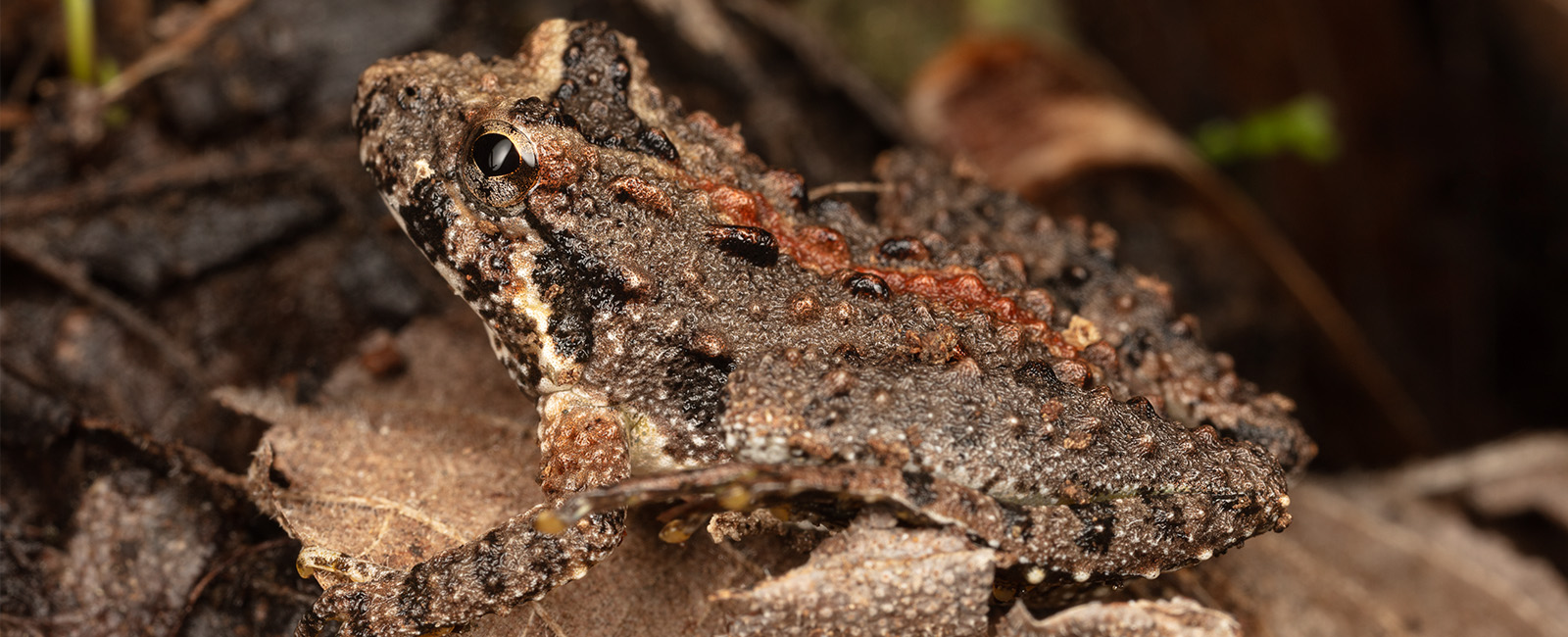
Sumter National Forest:  While photographing early spring ephmeral wildflowers near a waterfall, I rustled up this small Southern Cricket Frog.  He was less than an inch in size, but I used my macro rig and his willingness to pose to fill the frame with his interesting bumpy skin and textures.  The world of small things is so interesting and abundant along the Southern Blue Ridge Escarpment.
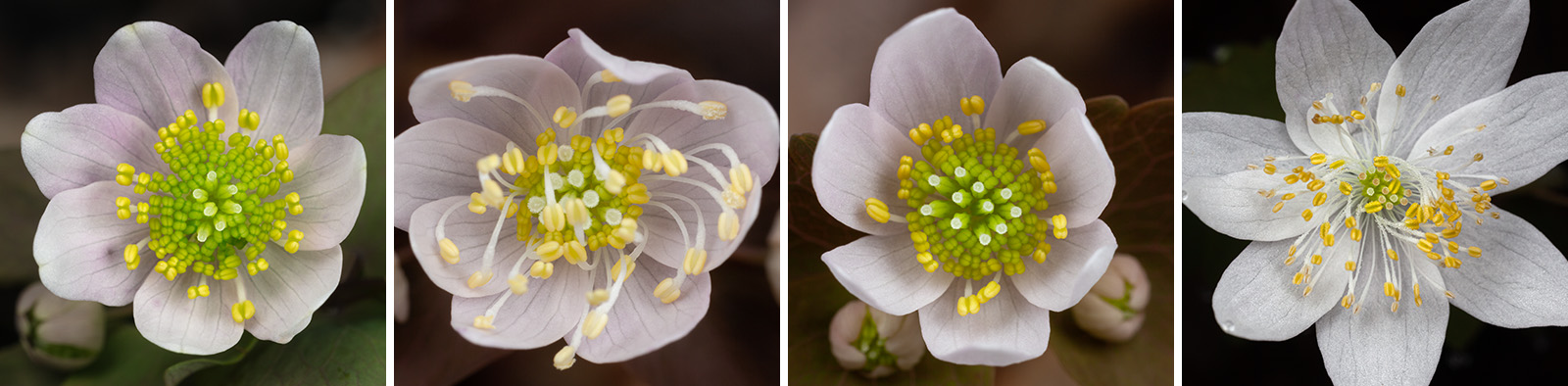
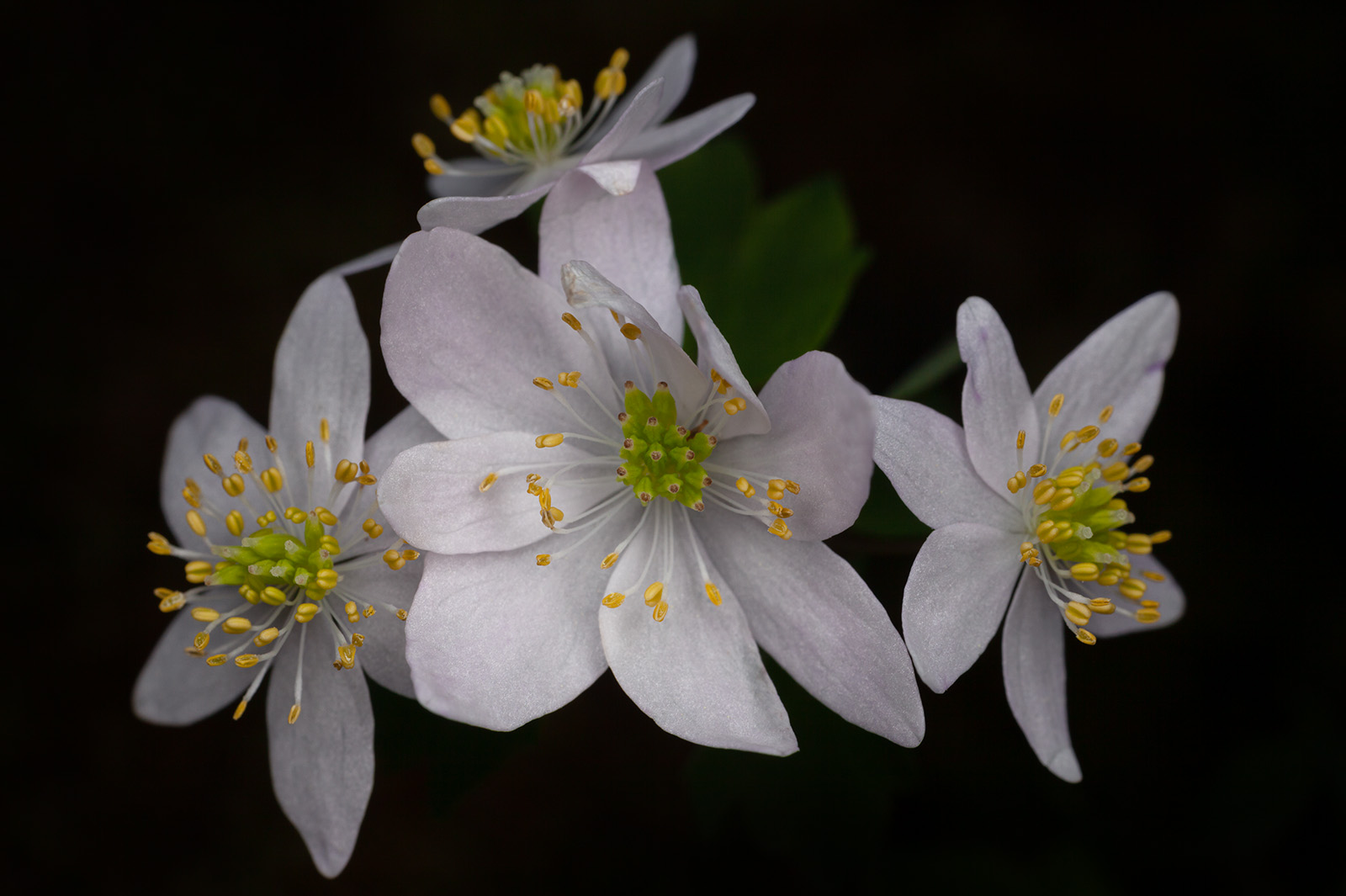
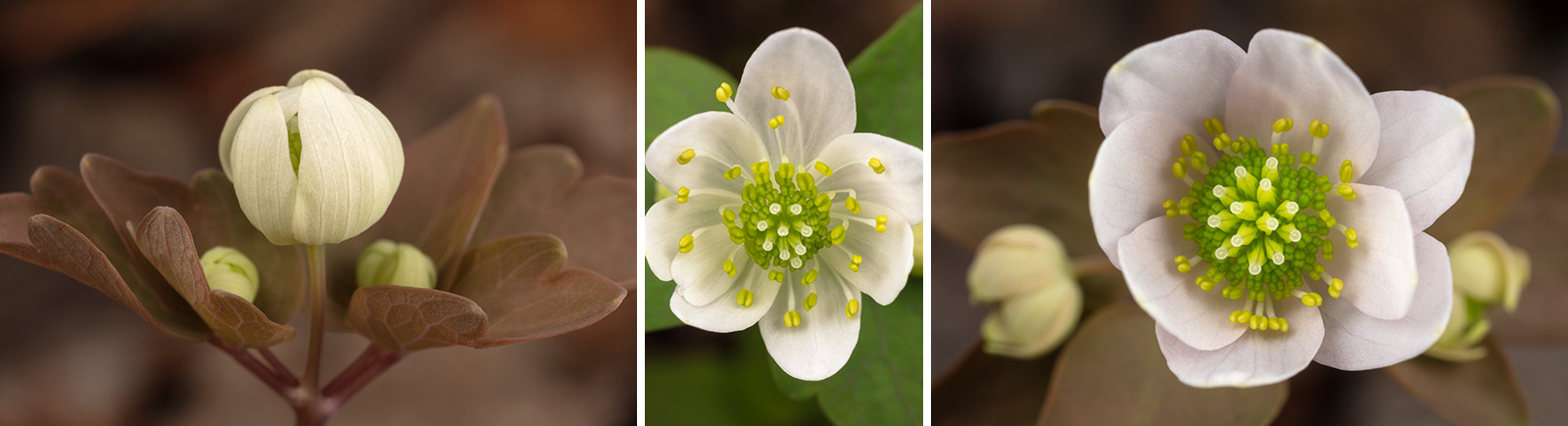
Sumter National Forest:  The Rue Anemone (or windlfower) is super common in the areas of The Blue Wall that I photograph.  They are a spring ephemeral wildflower.  There’s a stage early on when the inside of these wildflowers glows greenish/yellow with so much embodied energy and beauty.  That’s my favorite time to spend with these little beauties.
Nantahala National Forest:  The Chattooga Potholes, also known as Potholes Falls, is a fifteen foot drop into a section of sculpted rock along the headwaters portion of The Wild & Scenic Chattooga River.  Here, the flow of water has carved deep, circular holes and wave-like patterns into the rock.  Accessibility is high and the landscape feature is rich with compositional possibility behind the lens.
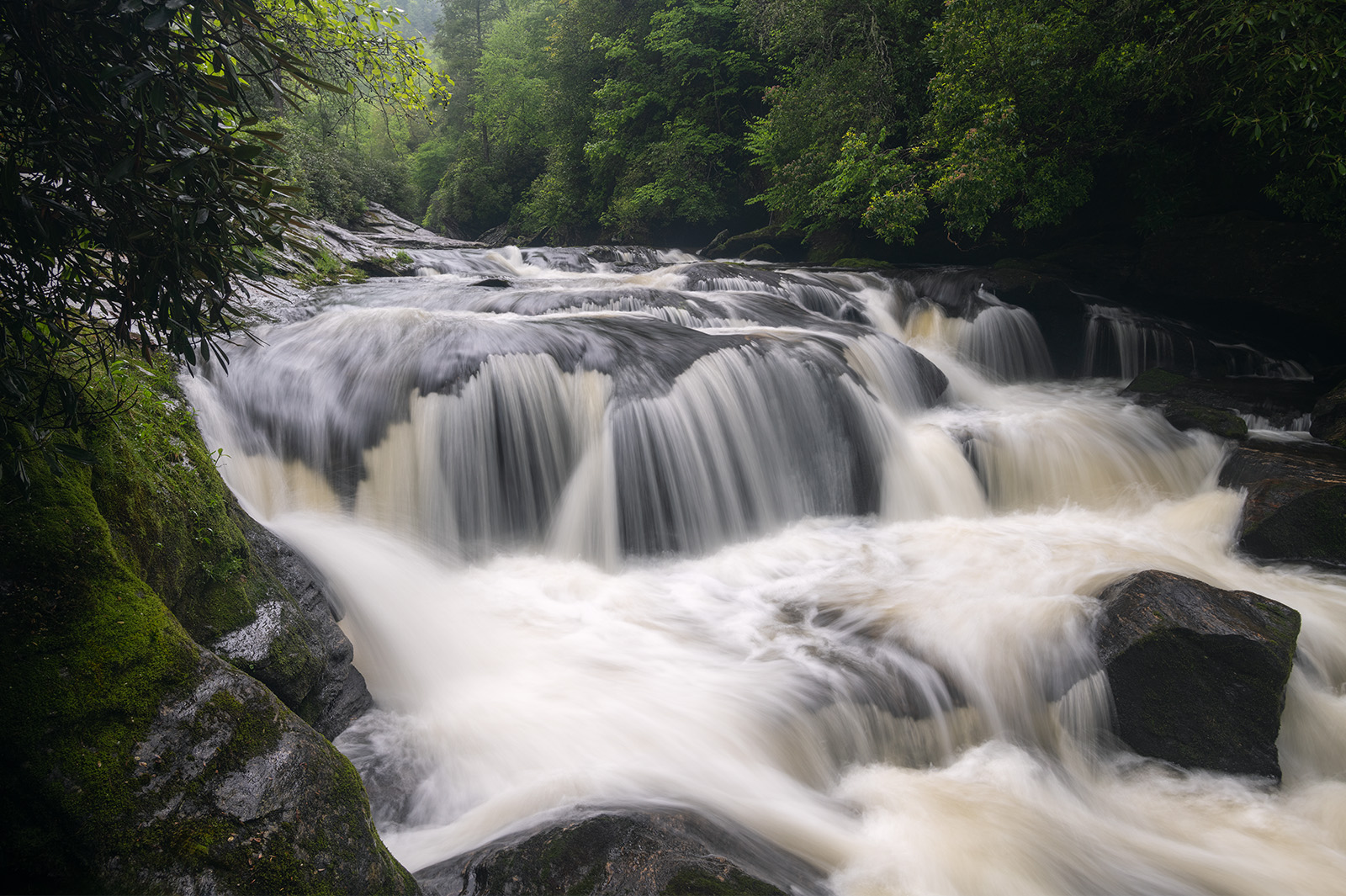
Nantahala National Forest:  I visited the Chattooga Potholes on a stormy, spring evening and was immediately caught in a strong thunderstorm and downpour.  Luckily, there is a bridge overhead that provided some shelter from the sheeting rains.  Following the storm, however, the water rose quickly and the smaller fifteen-foot drop became quite lively behind the lens.  It is still my best session at this beautiful landscape feature along the headwaters portion of The Chattooga River.
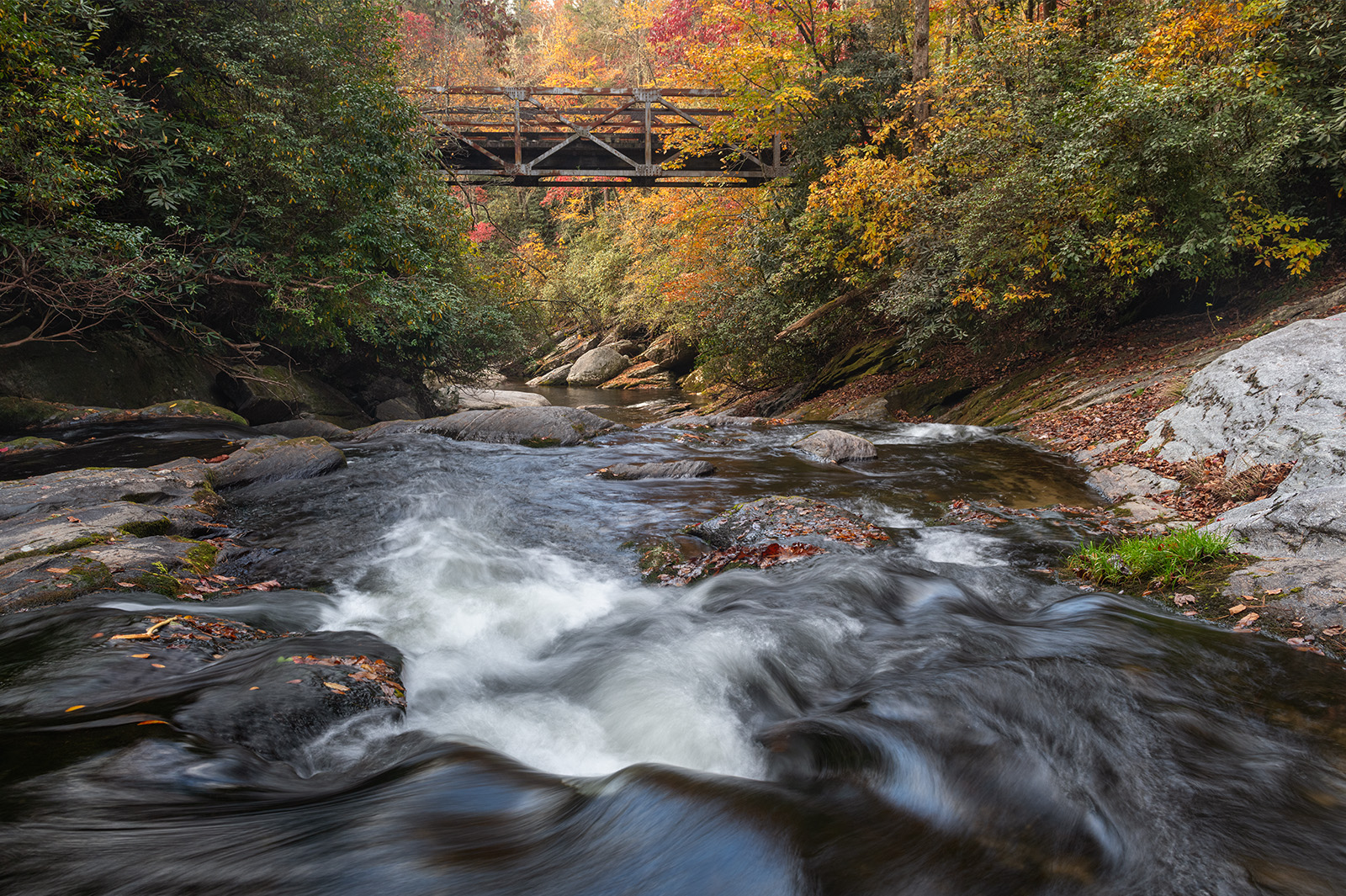
Nantahala National Forest:  Bull Pen Road is one of the few access points to the Wild & Scenic Chattooga River in Western North Carolina.  Here, the headwaters of the Chattooga pass underneath the roadway and the old iron bridge during the peak of autumn color change.  This area of the Chattooga River is one of my favorites because the water can be waded by foot in many places.
Nantahala National Forest:  The Speckled Wood Lily (Clintonia Umbelluta) is a fairly common wildflower on the western Blue Wall.  I find them in abundance along the Chattooga Cliffs Trail in the headwaters areas of The Chattooga River.
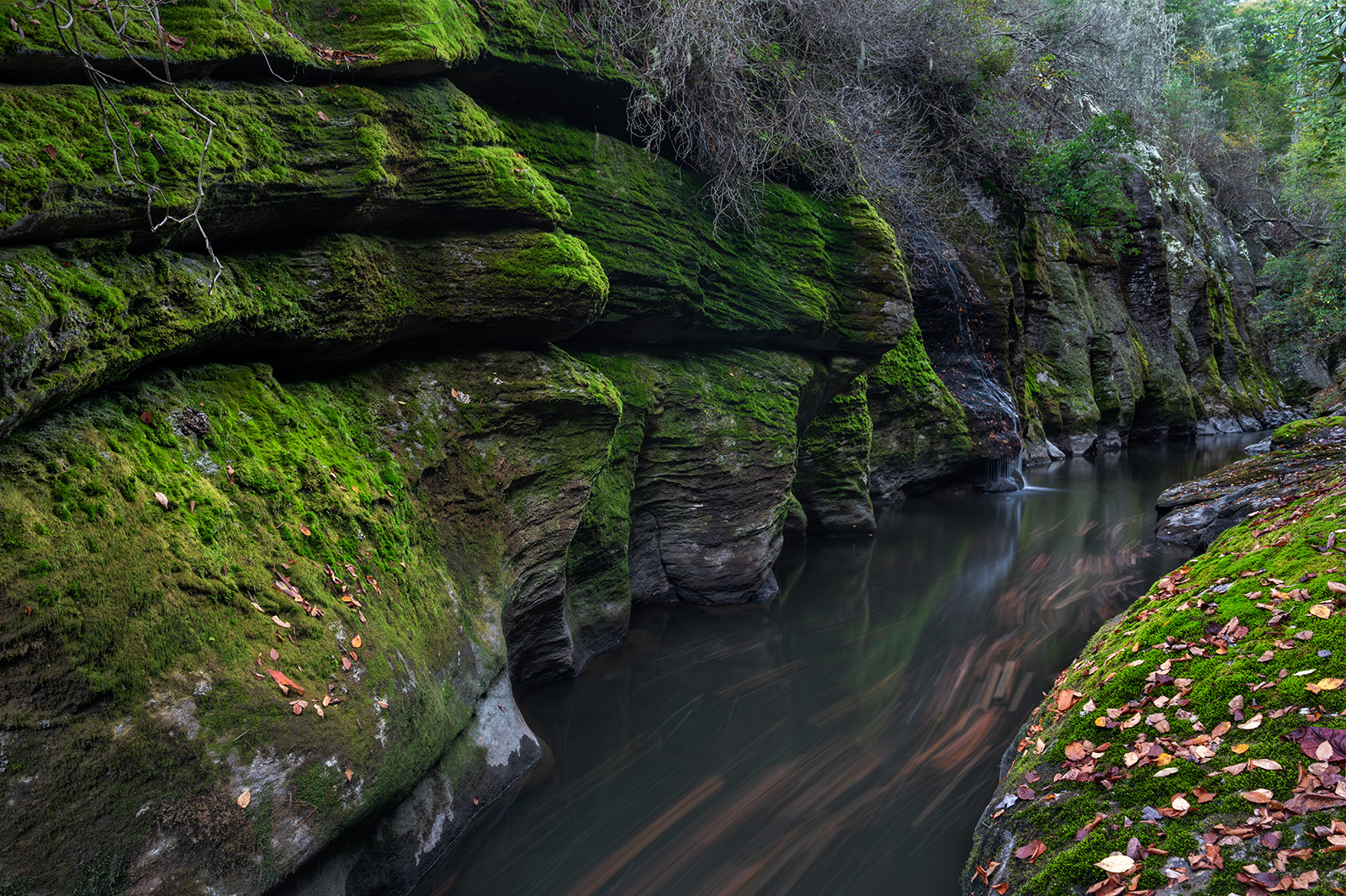
Nantahala National Forest:  There are a number of “narrows” along the headwaters portions of the Wild & Scenic Chattooga River.  This particular narrows is the one that always takes my breath away with the moss covered rock formations.  Access is very difficult, and best attempted only when the river is at low water levels.
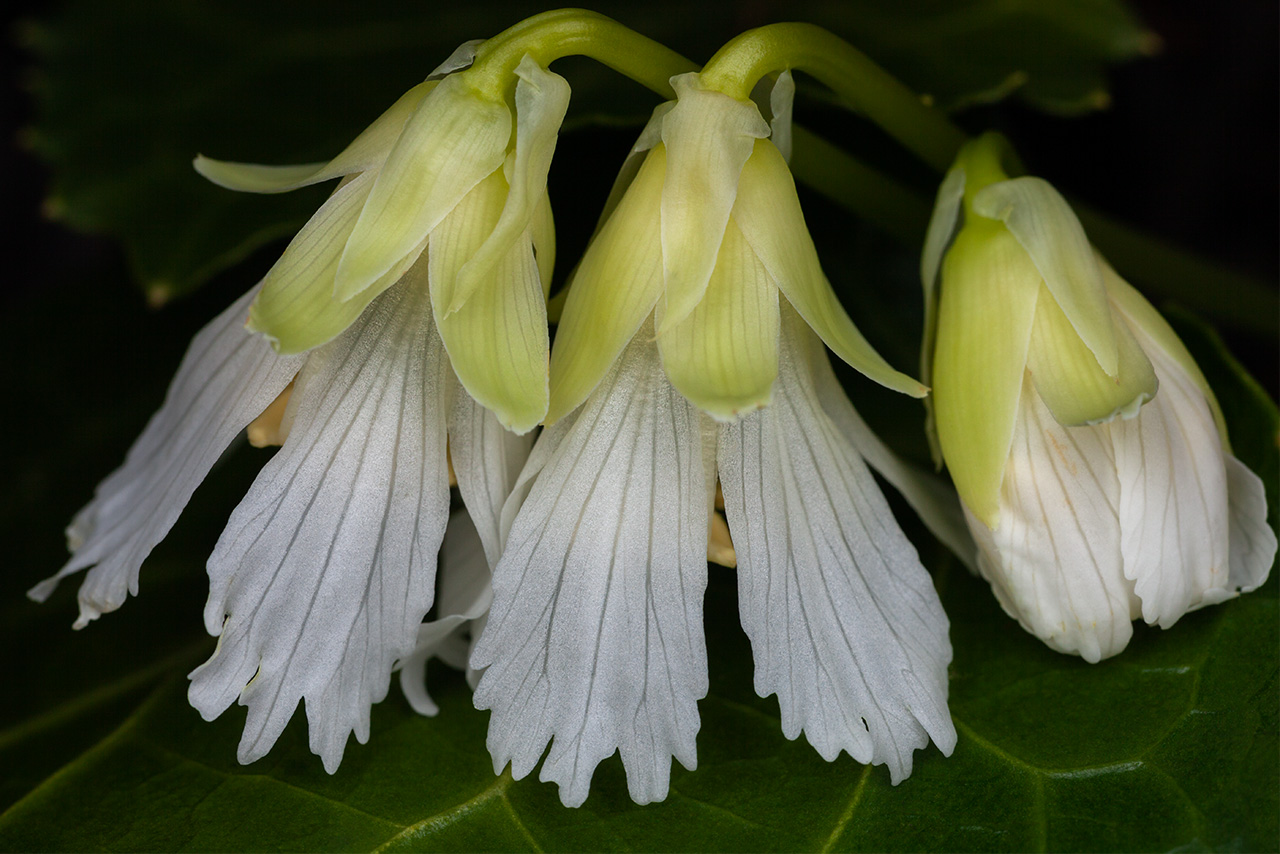
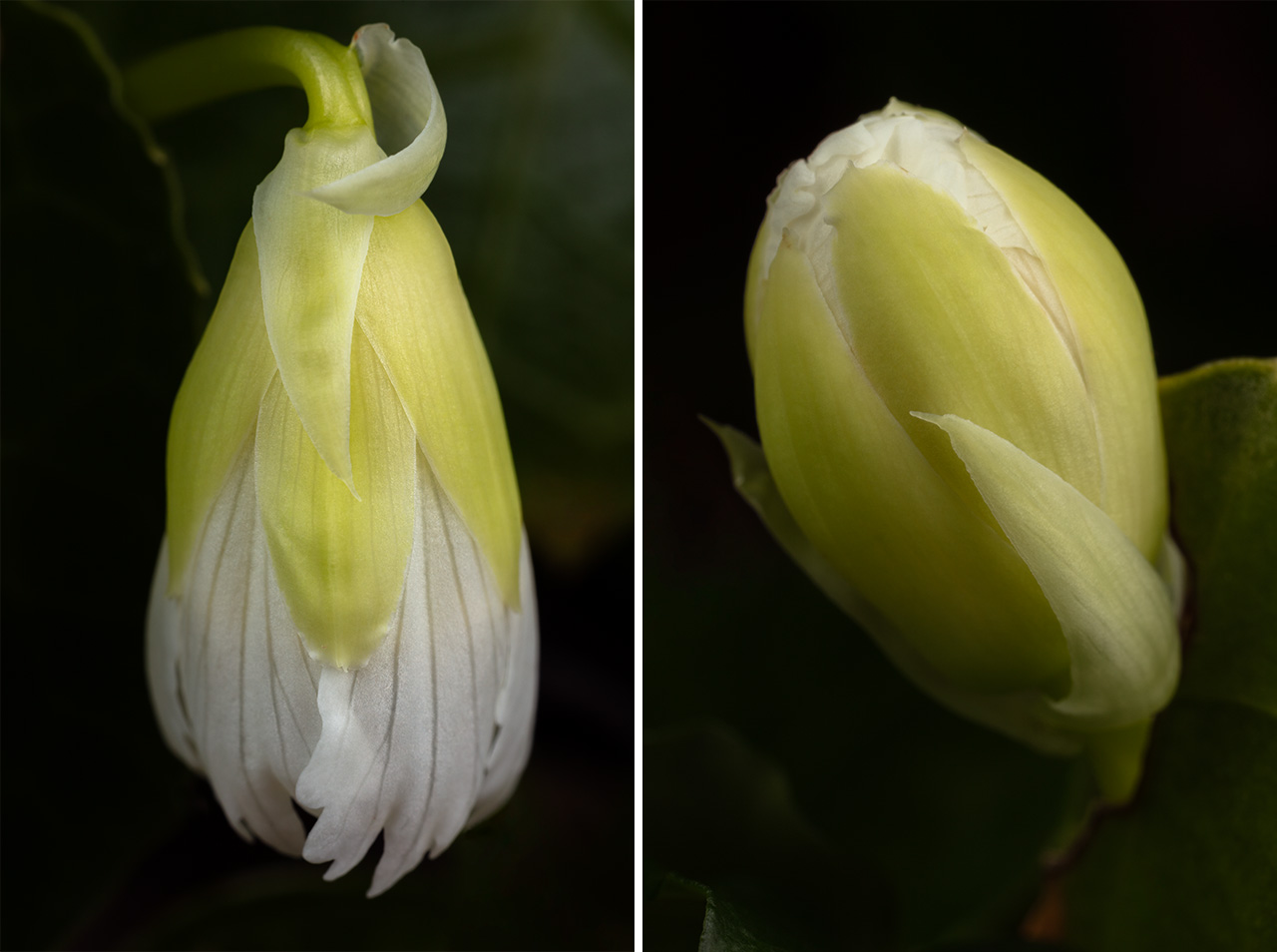
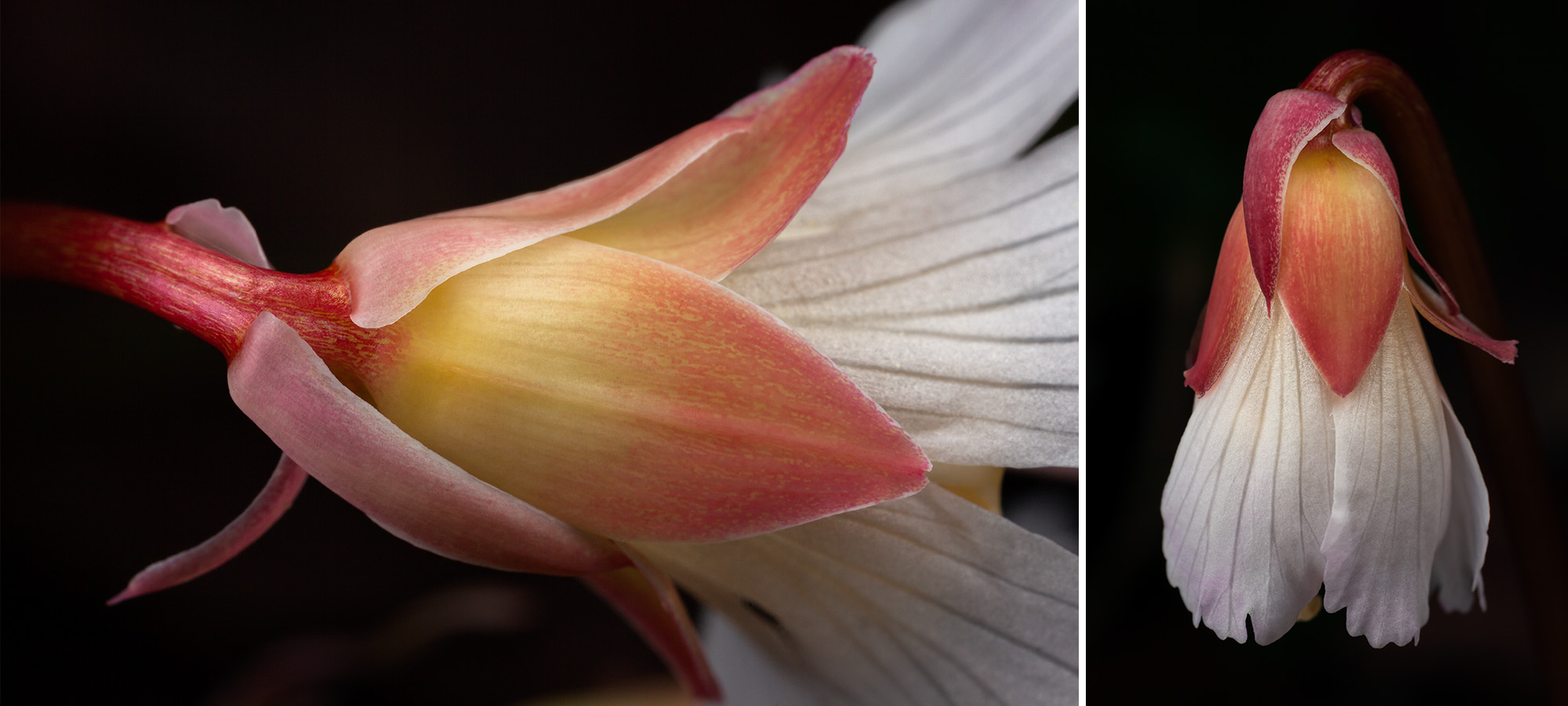
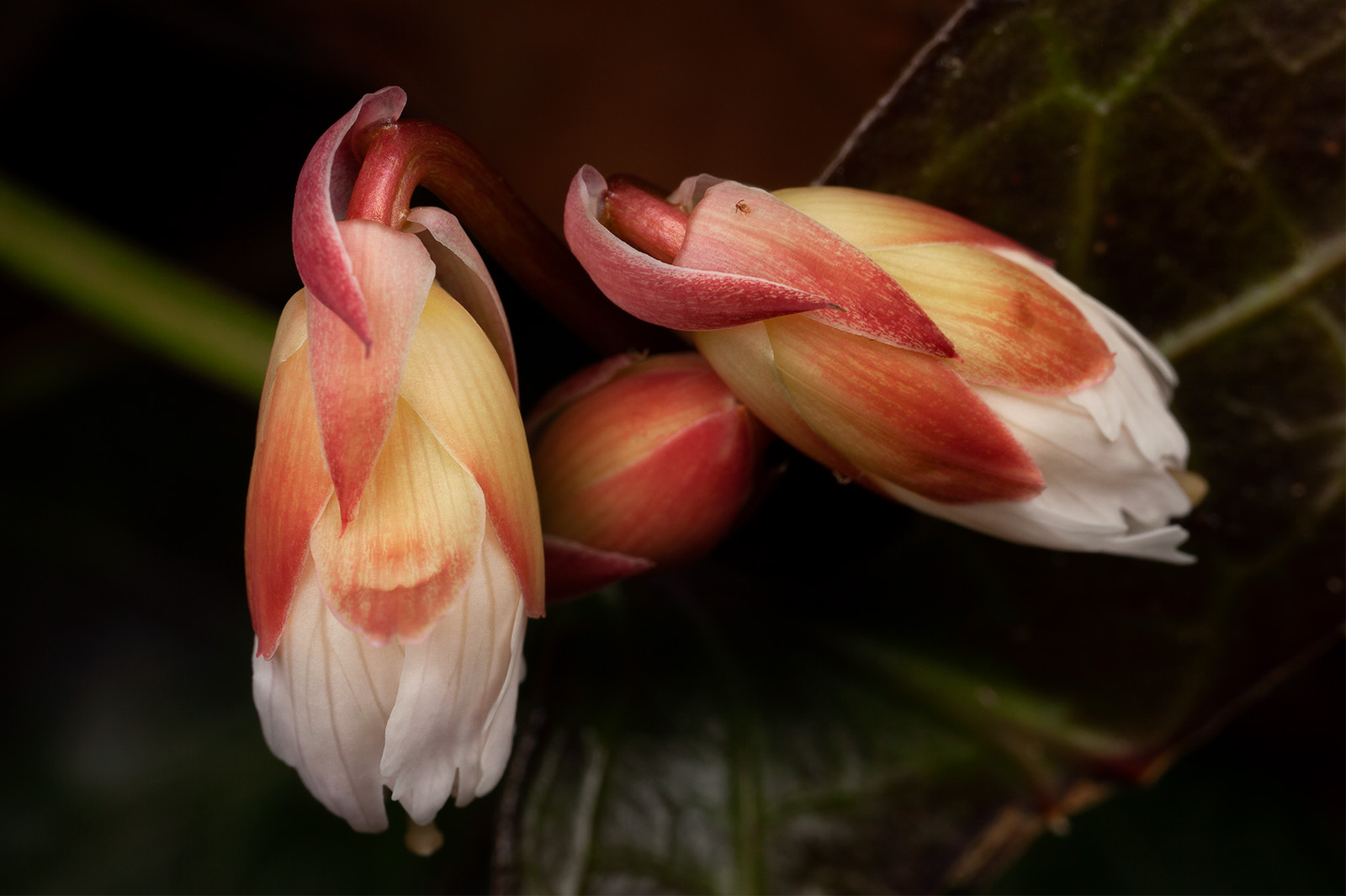
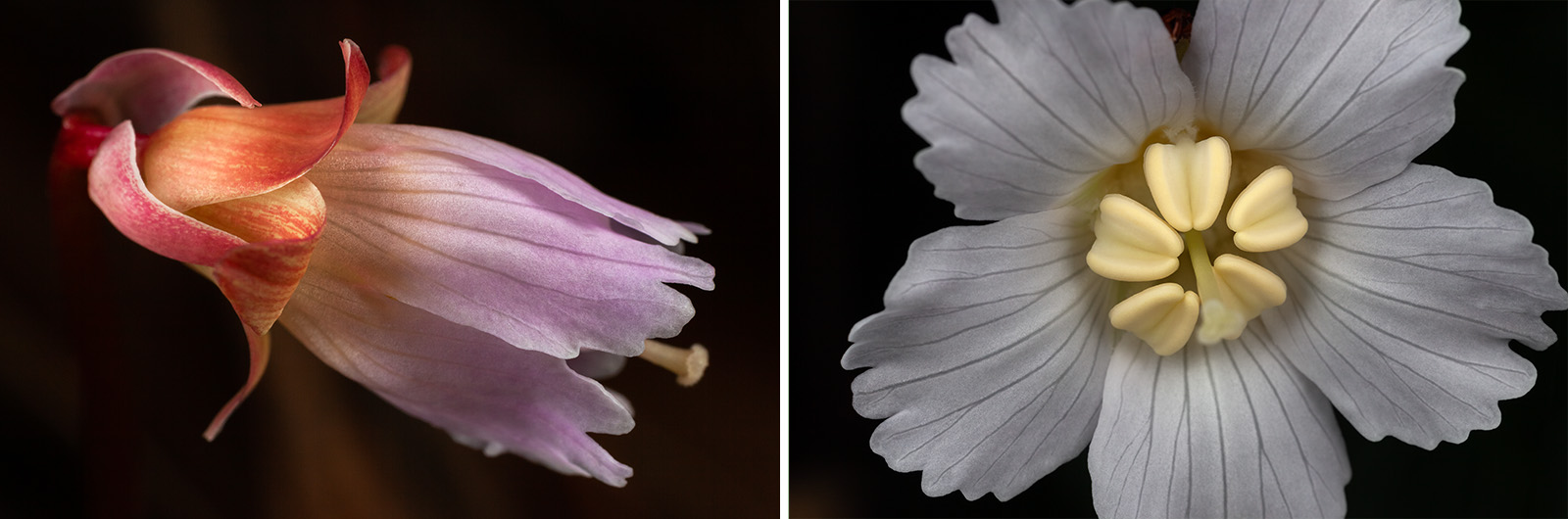
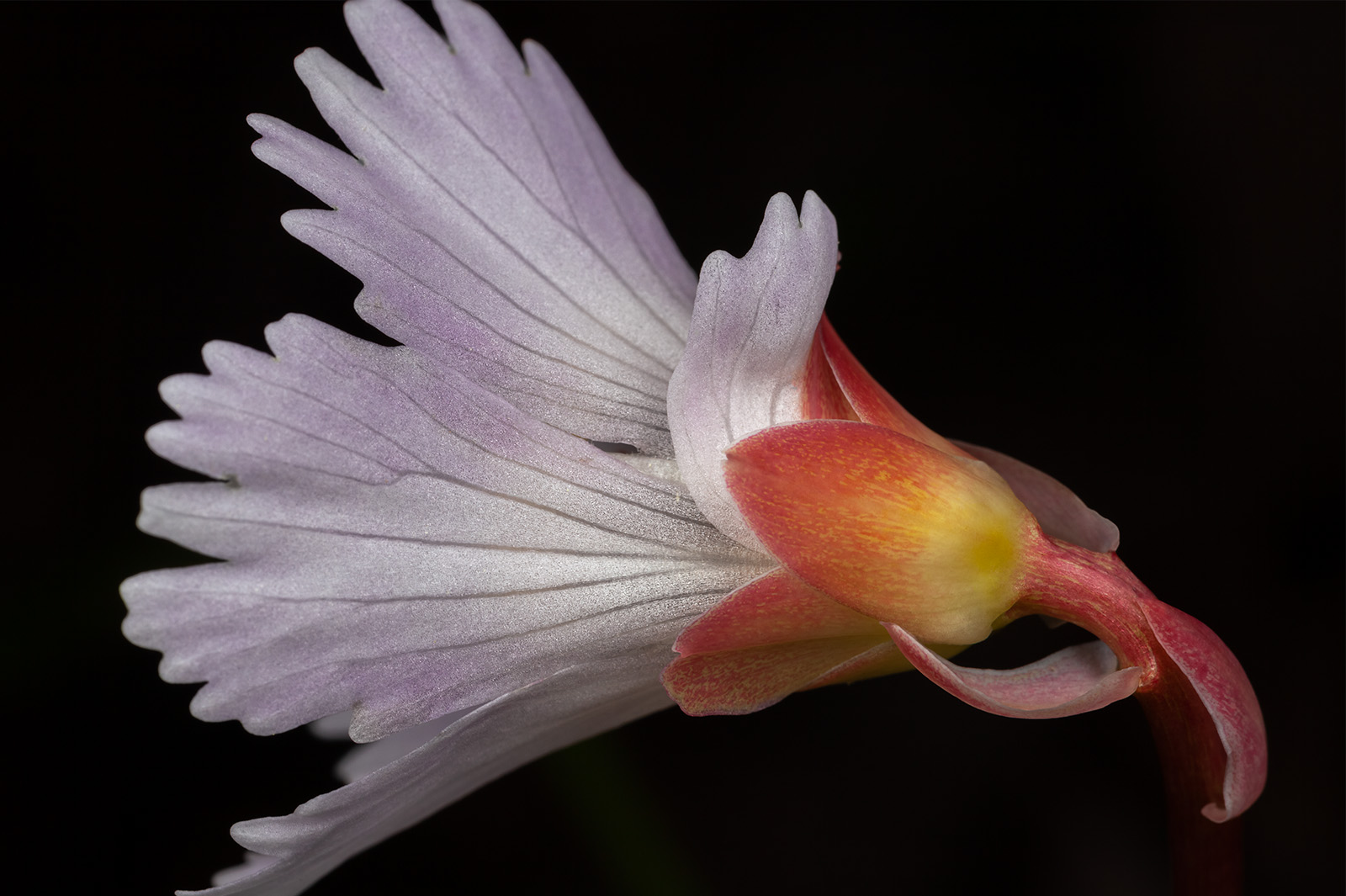
Nantahala National Forest:  I found some rare Oconee Bells growing within the headwaters of the Chattooga River.  The sepals, instead of being the typical bright red color, are a translucent yellow.  Perhaps a transplant?  Oconee Bells are ranked G2 Globally Imperiled and S2 Imperiled in North Carolina by NatureServe rankings.
Nantahala National Forest:  Pink Lady Slipper Orchids are numerous along the Southern Blue Ridge Escarpment.  However, they are still exciting finds for wildflower lovers.  Their evocative shapes, colors and patterns make them a very interesting wildflower to photograph and present!
Nantahala National Forest:  Liverworts are always fascinating to me, like the skin of an alligator!  These bryophytes grow behind waterfalls and along seeps and cascades of smaller streams.  The color gradiant of greens and scale-like patterns make for very neat image opportunities, I think!
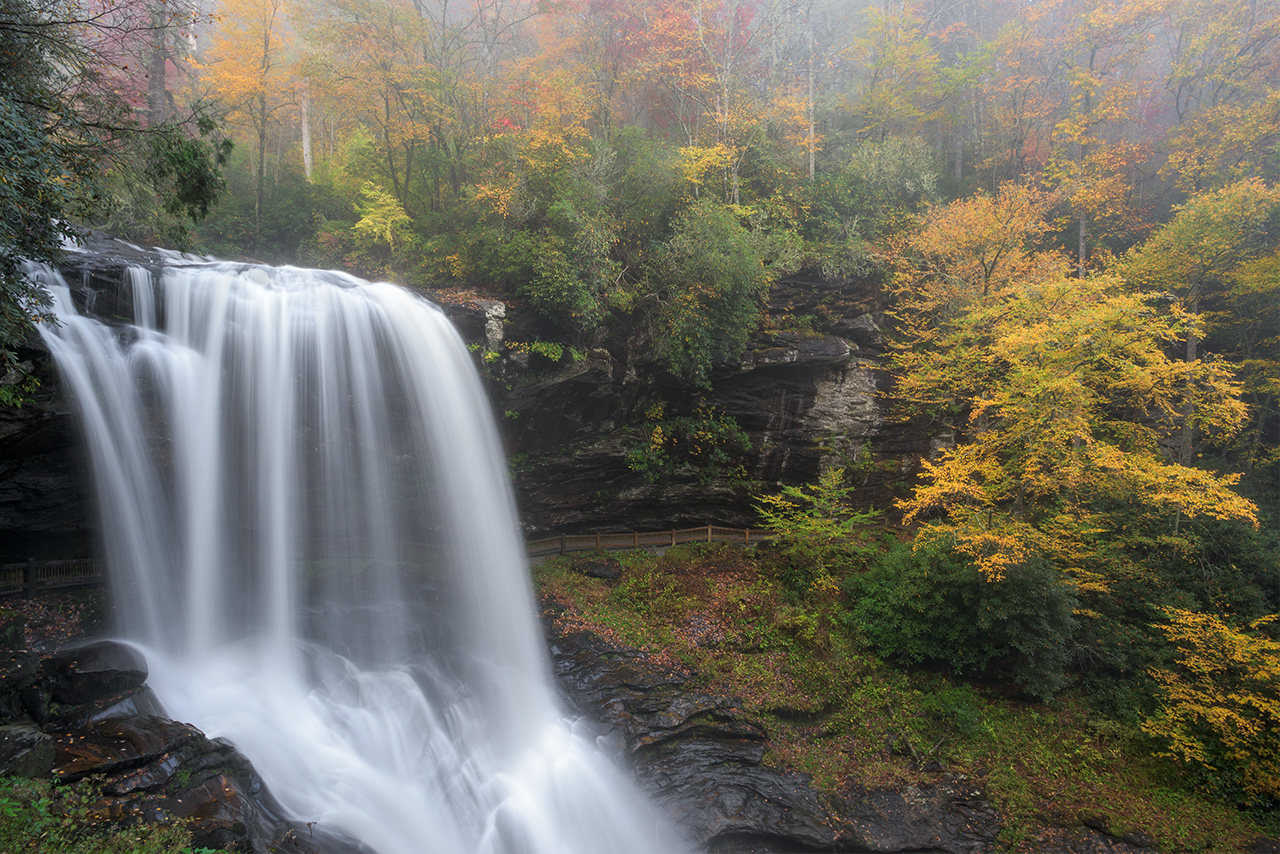
Nantahala National Forest:  Dry Falls is a top autumn destination within the Cullasaja River Gorge.  High accessibility and the ability to walk behind the waterfall are highlights.  Autumn color within the Cullasaja Gorge is typically early and vibrant.
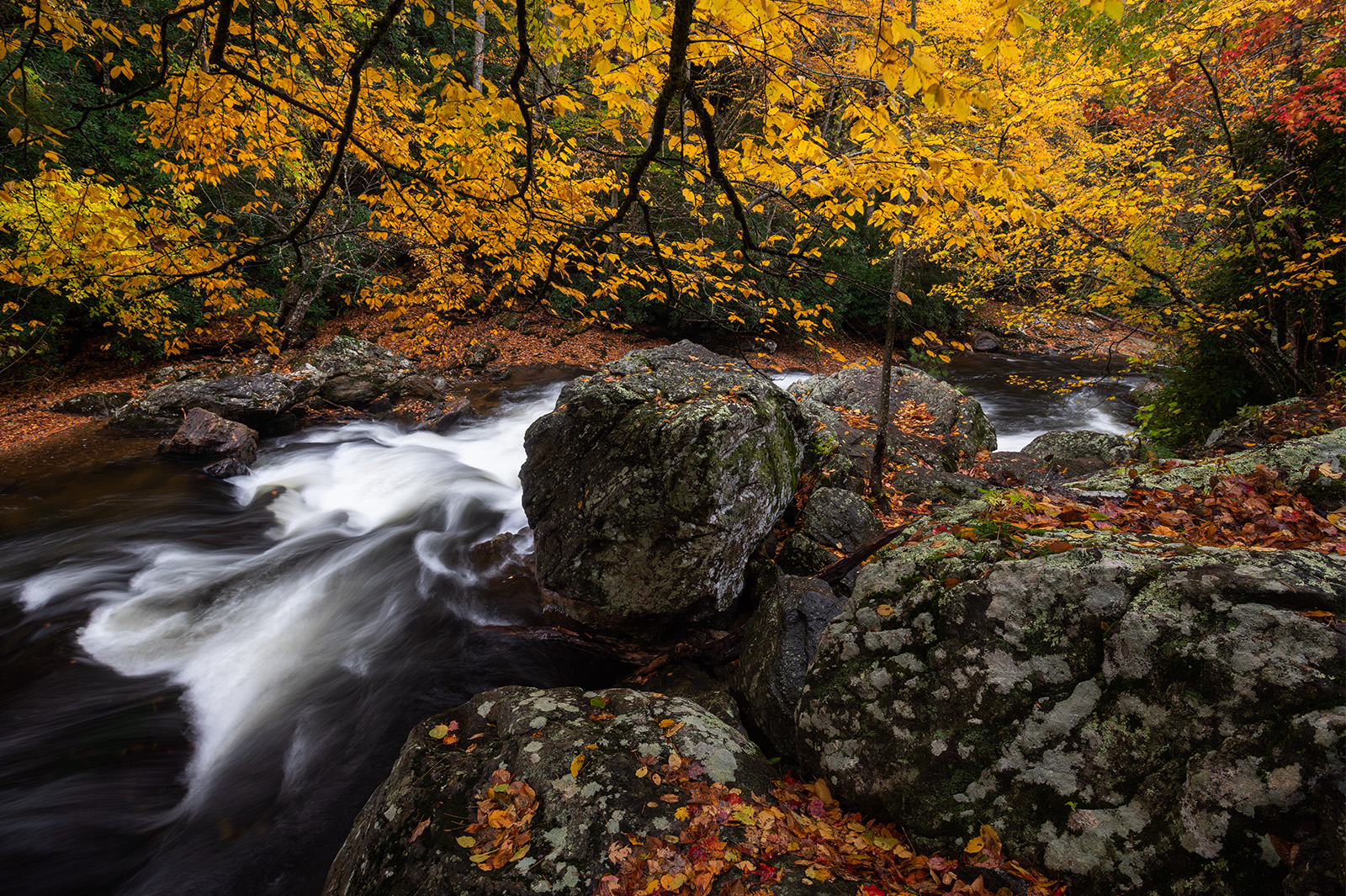
Nantahala National Forest:  I’ve always found outsided joy photographing within the Cullasaja Gorge near Highlands, North Carolina.  Despite being near a busy roadway, this rugged river feels very wild to me.  Featuring many different cascades and waterfalls, as well as beautiful autumn color change, I always make it a point to spend a few days near the Cullasaja when I can!
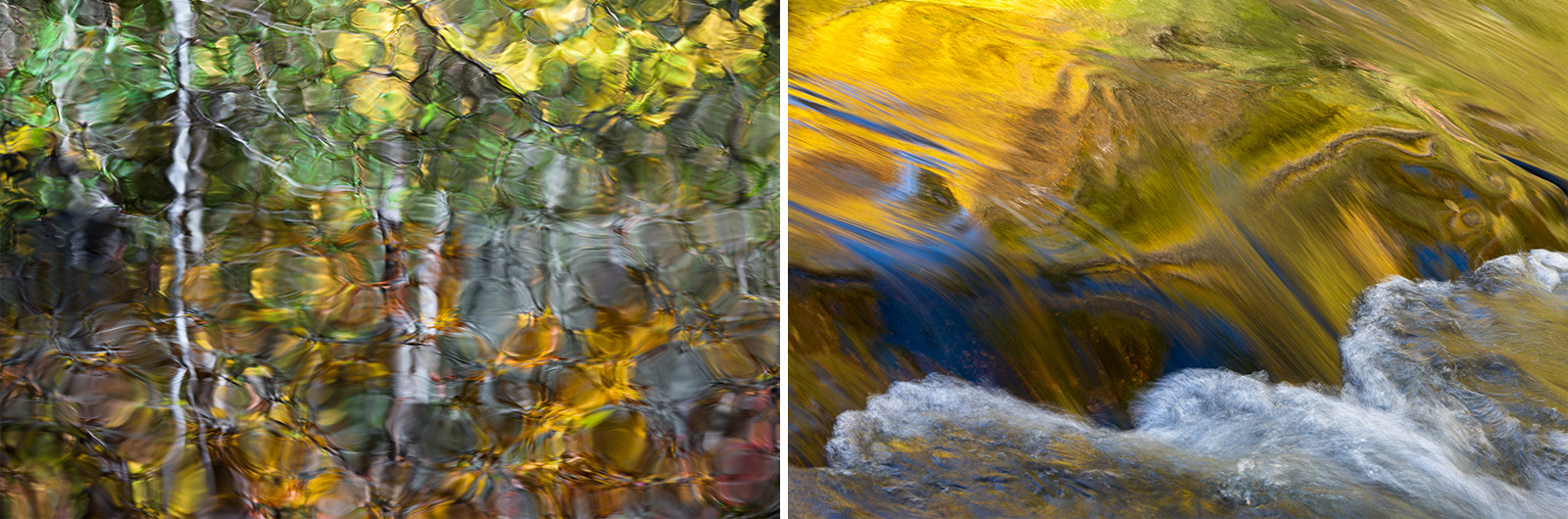
Nantahala National Forest:  Autumn reflections into the waters of the Cullasaja River.  This short river running from Highlands, North Carolina down to Franklin, North Carolina is paralleled by US-64, designated a National Scenic Byway for the many waterfalls along the route.
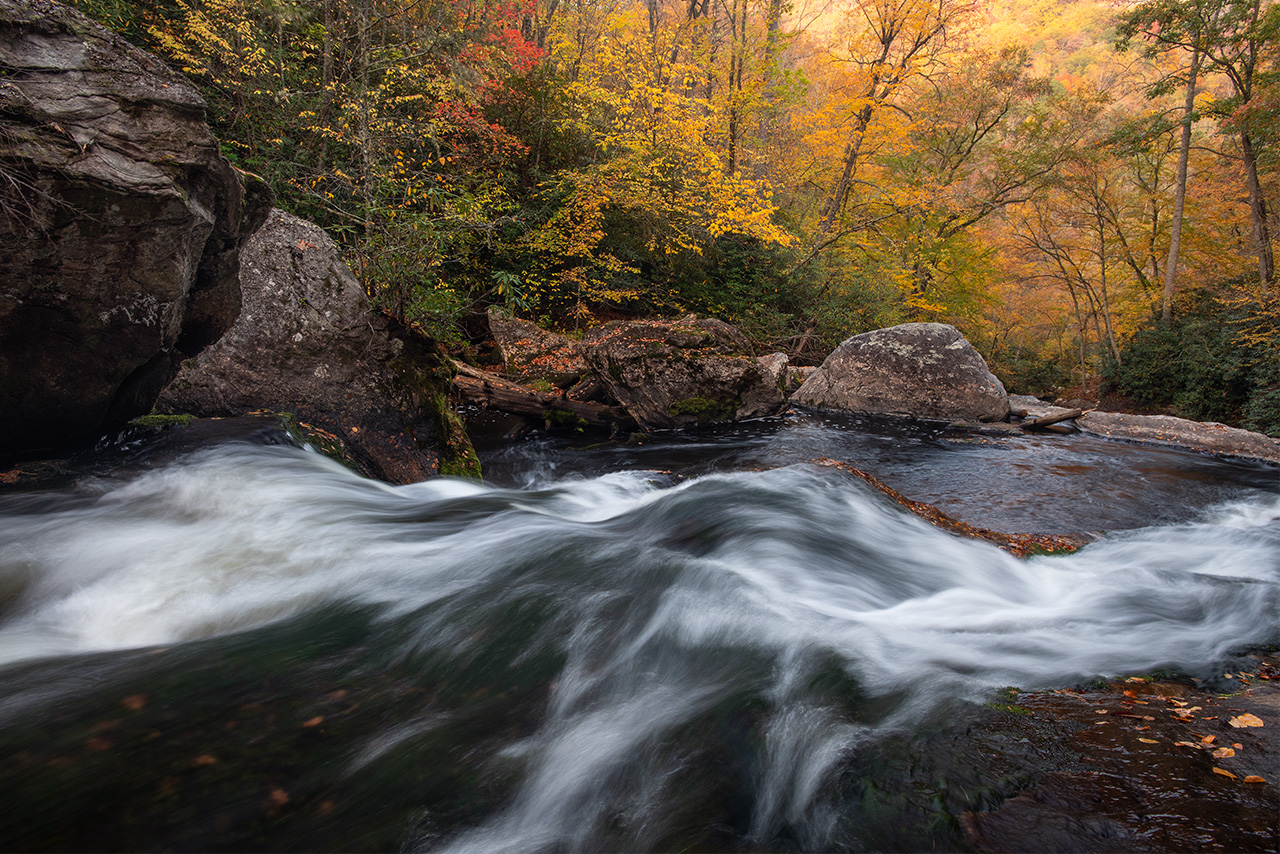
Nantahala National Forest:  Looking downstream within the rugged Cullasaja River Gorge during sunrise and the seasonal autumn color change.
Nantahala National Forest:  The autumn color within the Cullasaja River Gorge is often wonderful.  Finding unique compositions in this rugged landscape is a perfect way to spend the day, in my opinion!

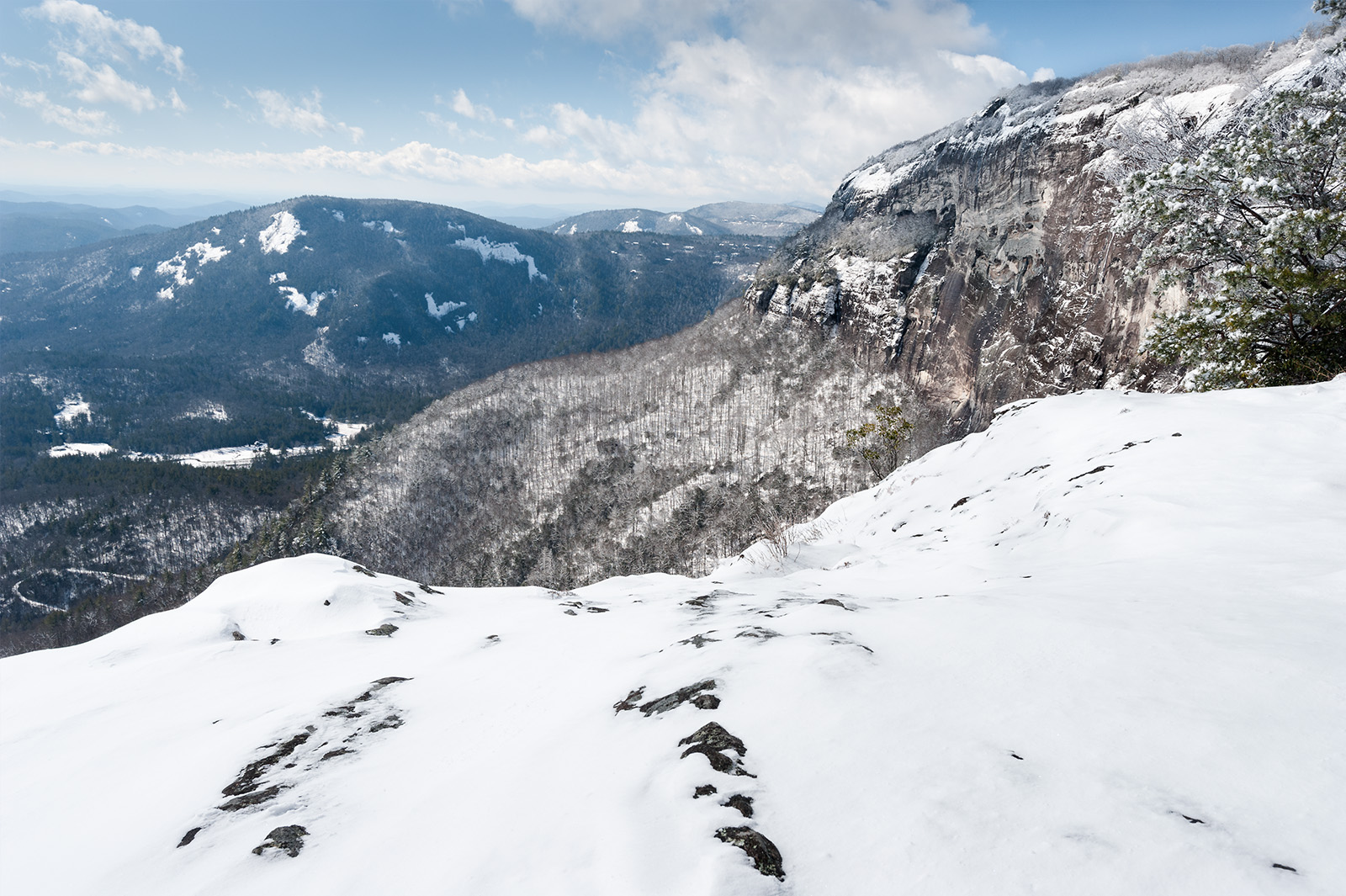
Nantahala National Forest:  When I was younger and a bit less risk averse–and the owner of a larger and more capable truck–I drove up to Whiteside Mountain after a winter snow.  Hiking down to a vantage along the sheer rock wall, I managed to capture a seasonal winter image of this unique location that I’ve always enjoyed.
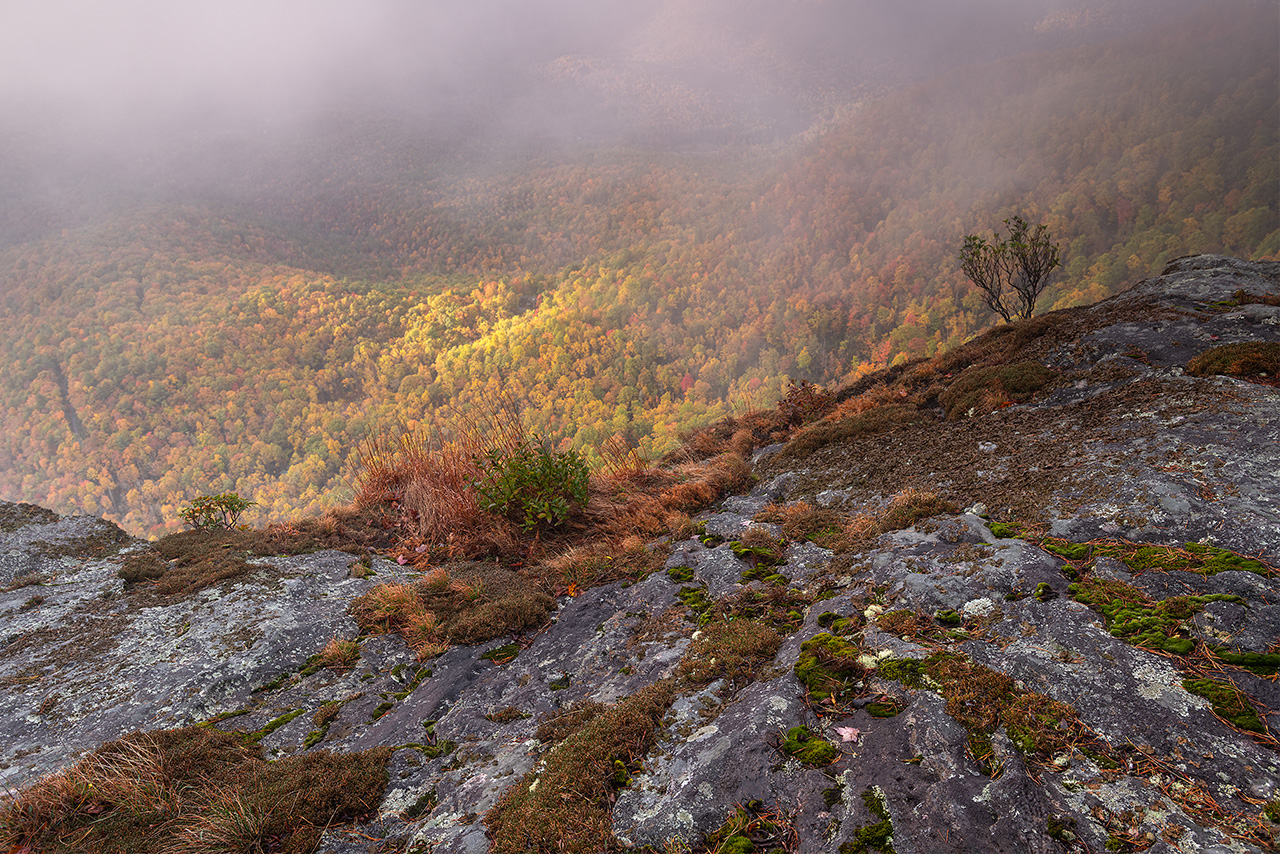
Nantahala National Forest:  At over four-thousand feet in elevation, Whiteside Mountain experiences autumn relatively early in the season.  However, the views off the sheer cliffs at Whiteside are down into a deep valley several thousand feet lower and thus, later, in autumn color change.  The elevational difference between Whiteside and the valley below makes this location particularly challenging during the autumn season.
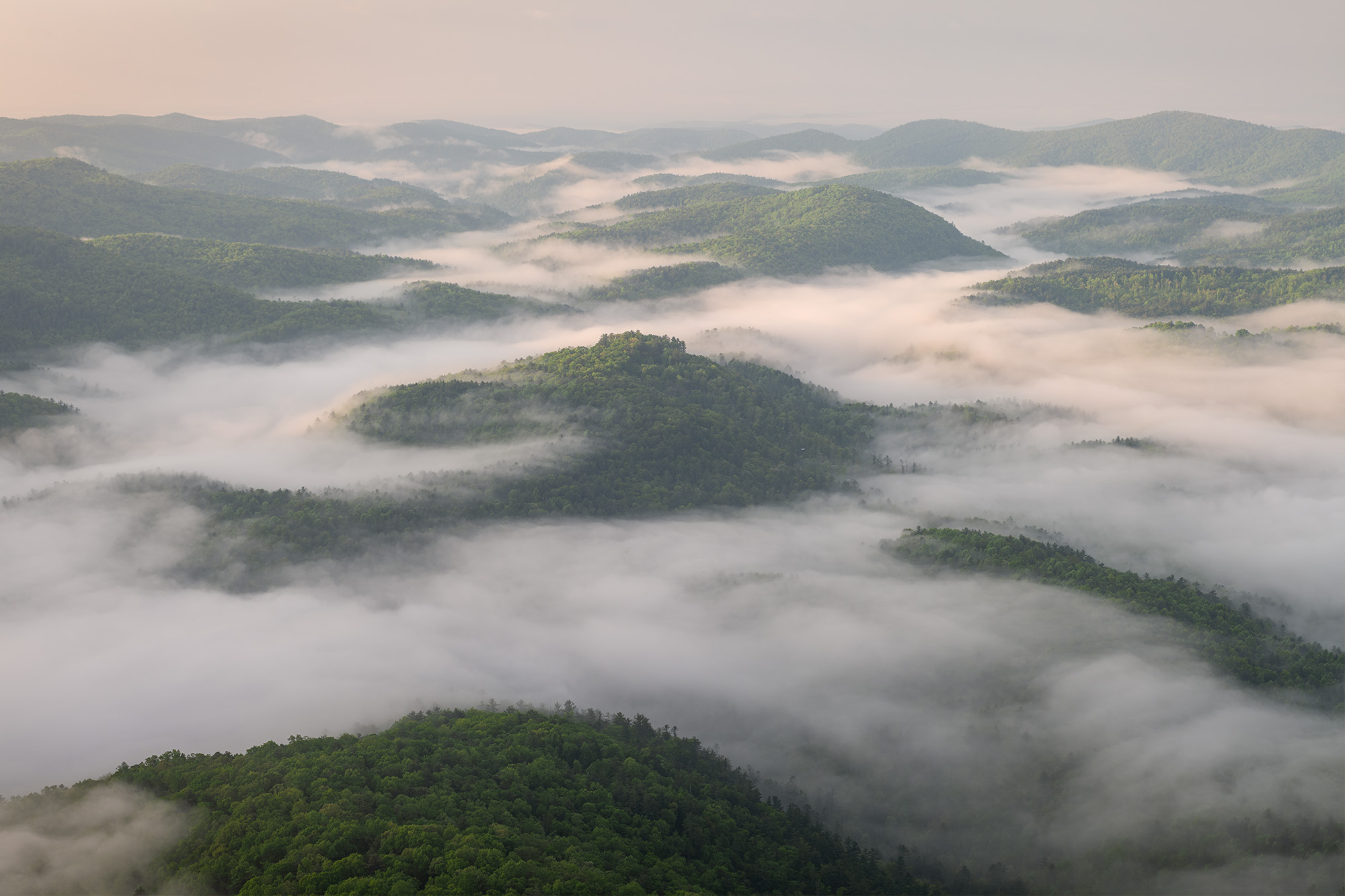
Nantahala National Forest:  An inverted cloud sits just above the heavily forested valley beneath Whiteside Mountain along the Blue Ridge Escarpment.  The headwaters of the Chattooga River develop beneath this canopy and flow south towards the border of South Carolina and Georgia.
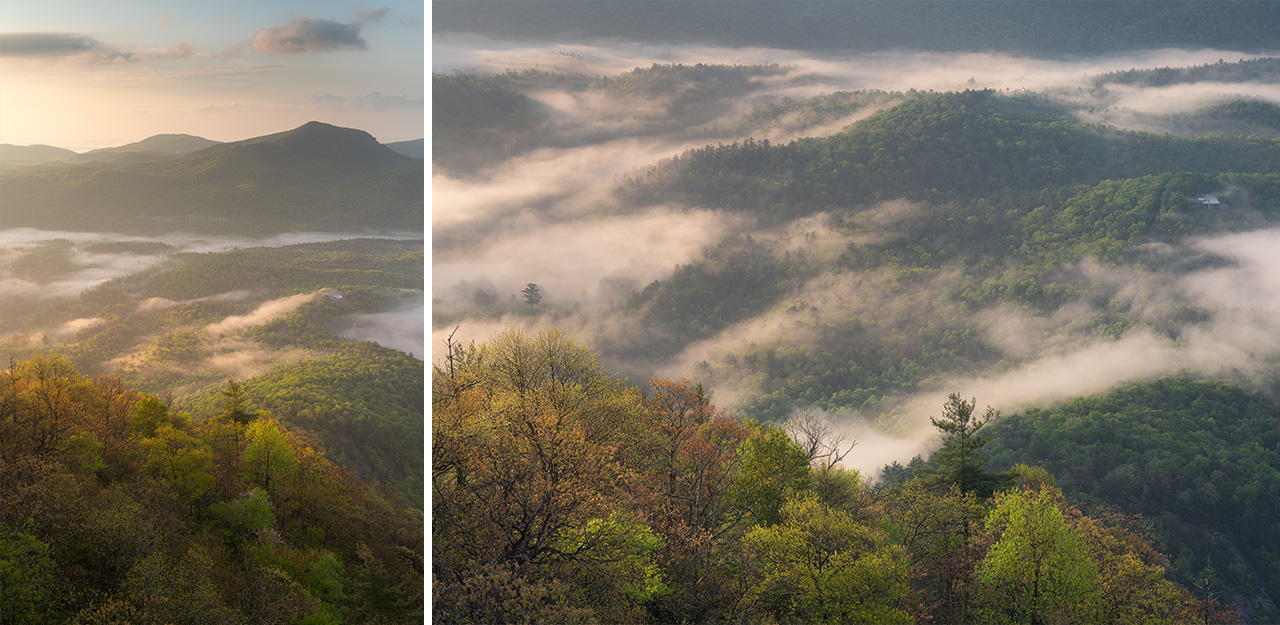
Nantahala National Forest:  Spring budding trees climb up to the heights of Whiteside Mountain near Highlands, North Carolina as a cloud inversion blankets the deeper valley below during the first light of morning.
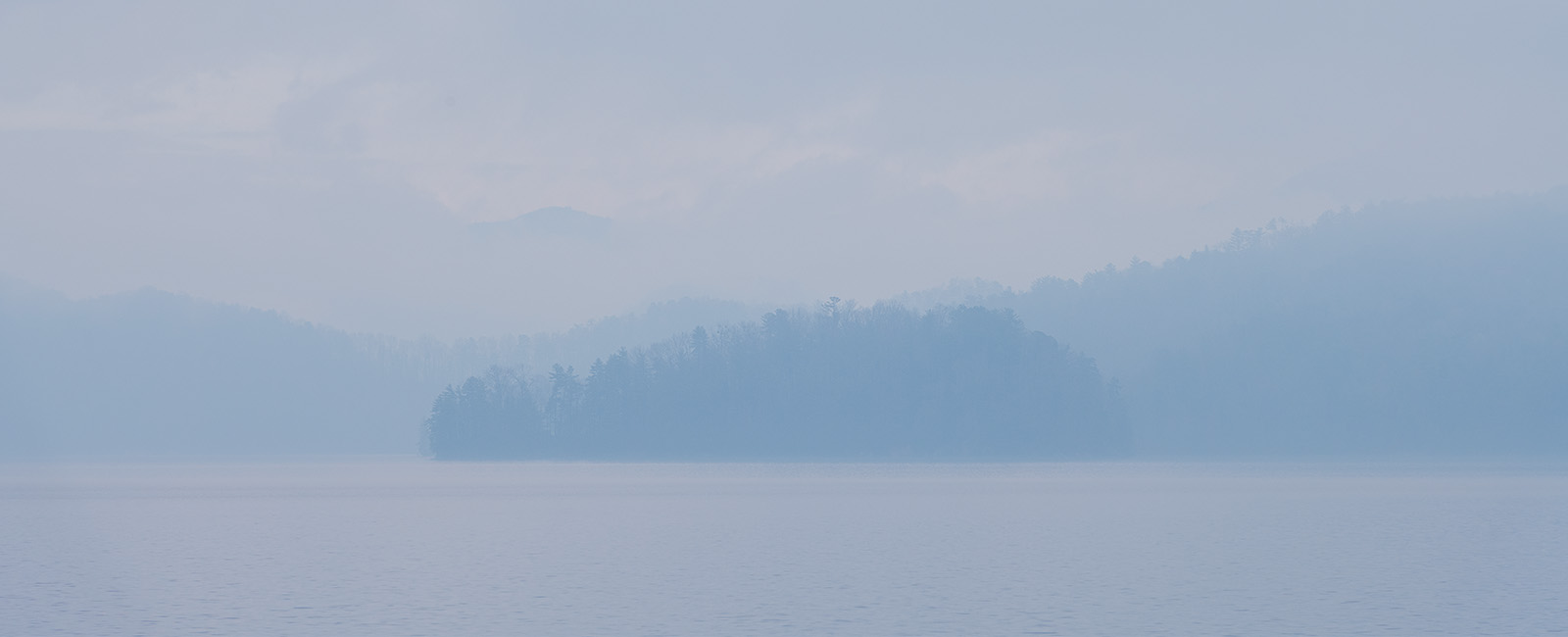
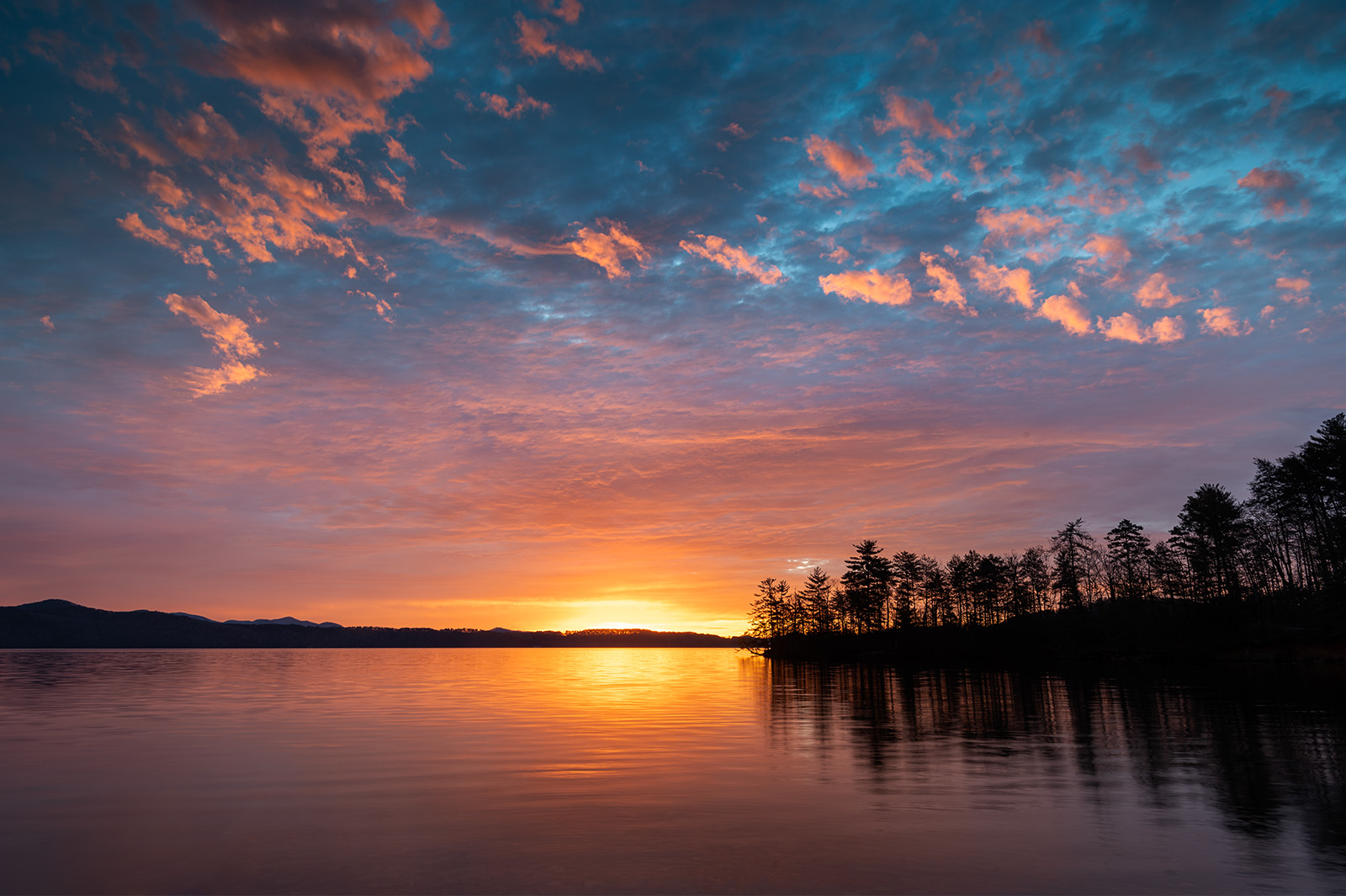
Duke Power Land:  Lake Jocassee is a beautiful mountain lake fed by numerous mountain streams.  Here, an early spring morning wakes to blue fog and limited visibility on the water.  Loons use Lake Jocassee as a stop-over while migrating.  When visiting in March, I love to listen from my campsite along the lake for their sorrowful songs in the mornings and evenings.
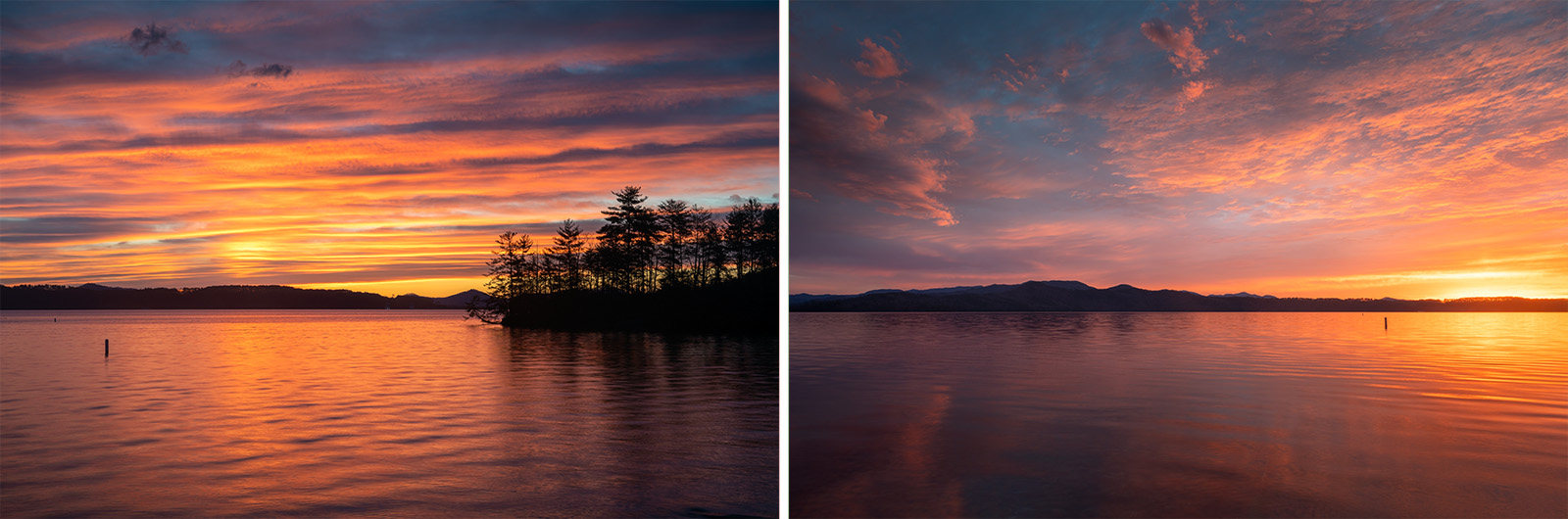
Duke Power Land:  A vibrant sunrise reflects into the calm waters of Lake Jocassee within Devil’s Fork State Park.  There are several boat ramp put-ins within the state park that allow for decent sunrise photography while camping or staying at a villa within the park.
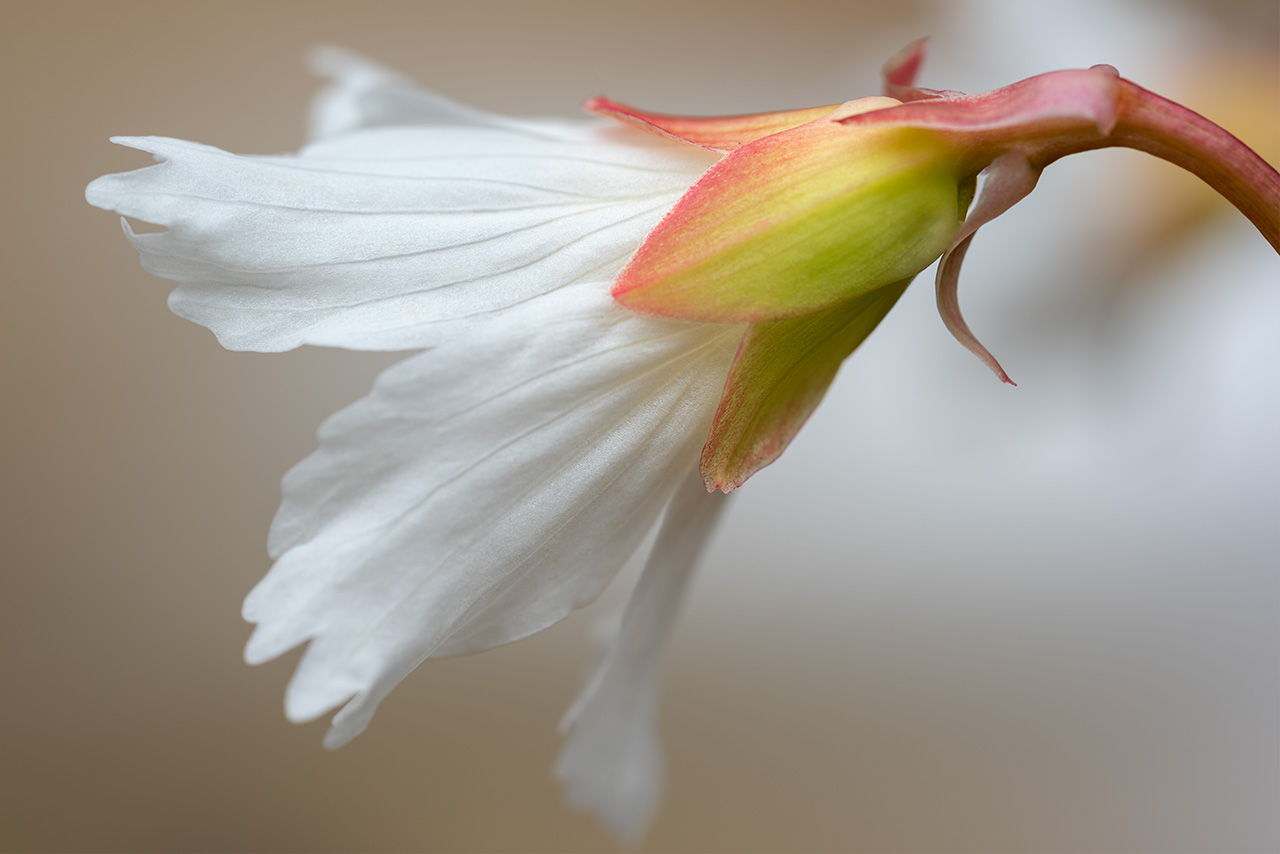
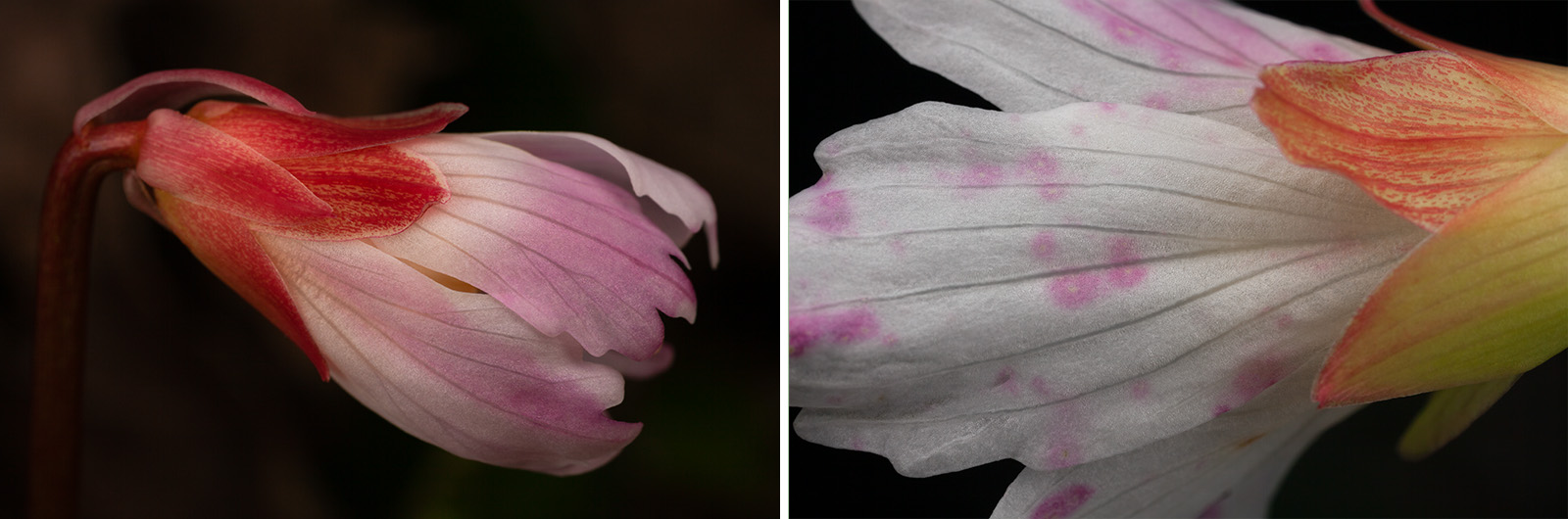
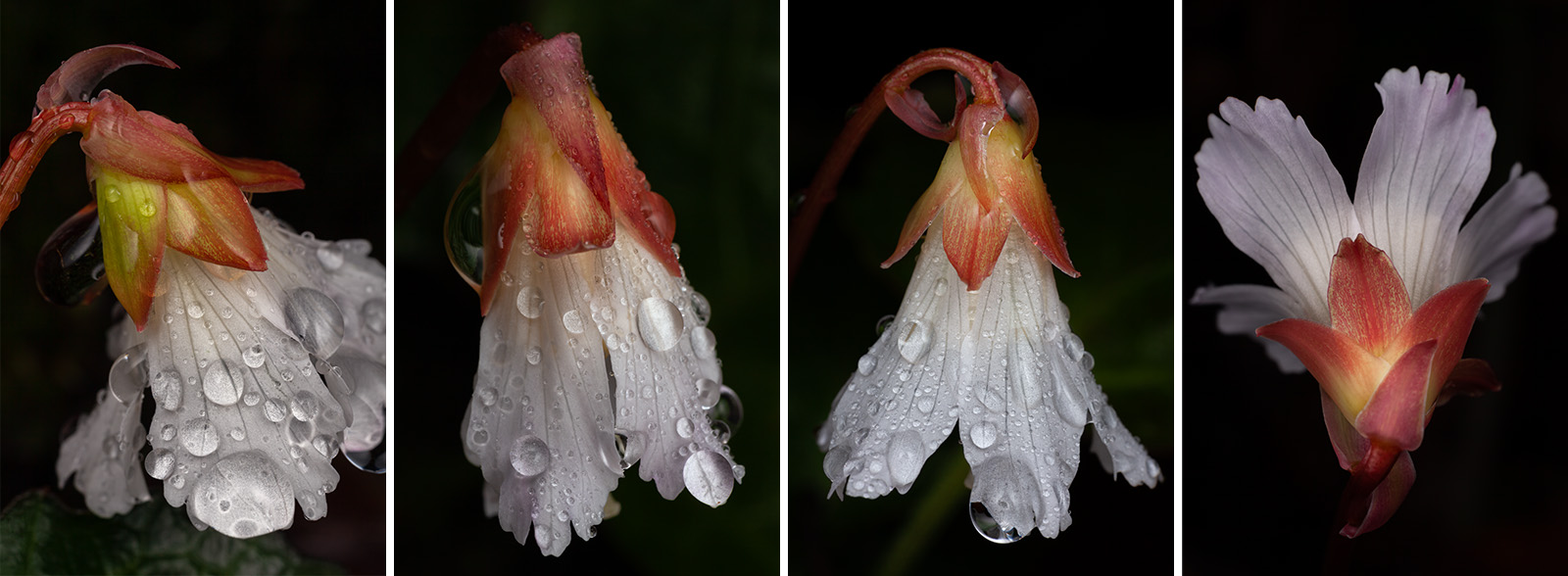
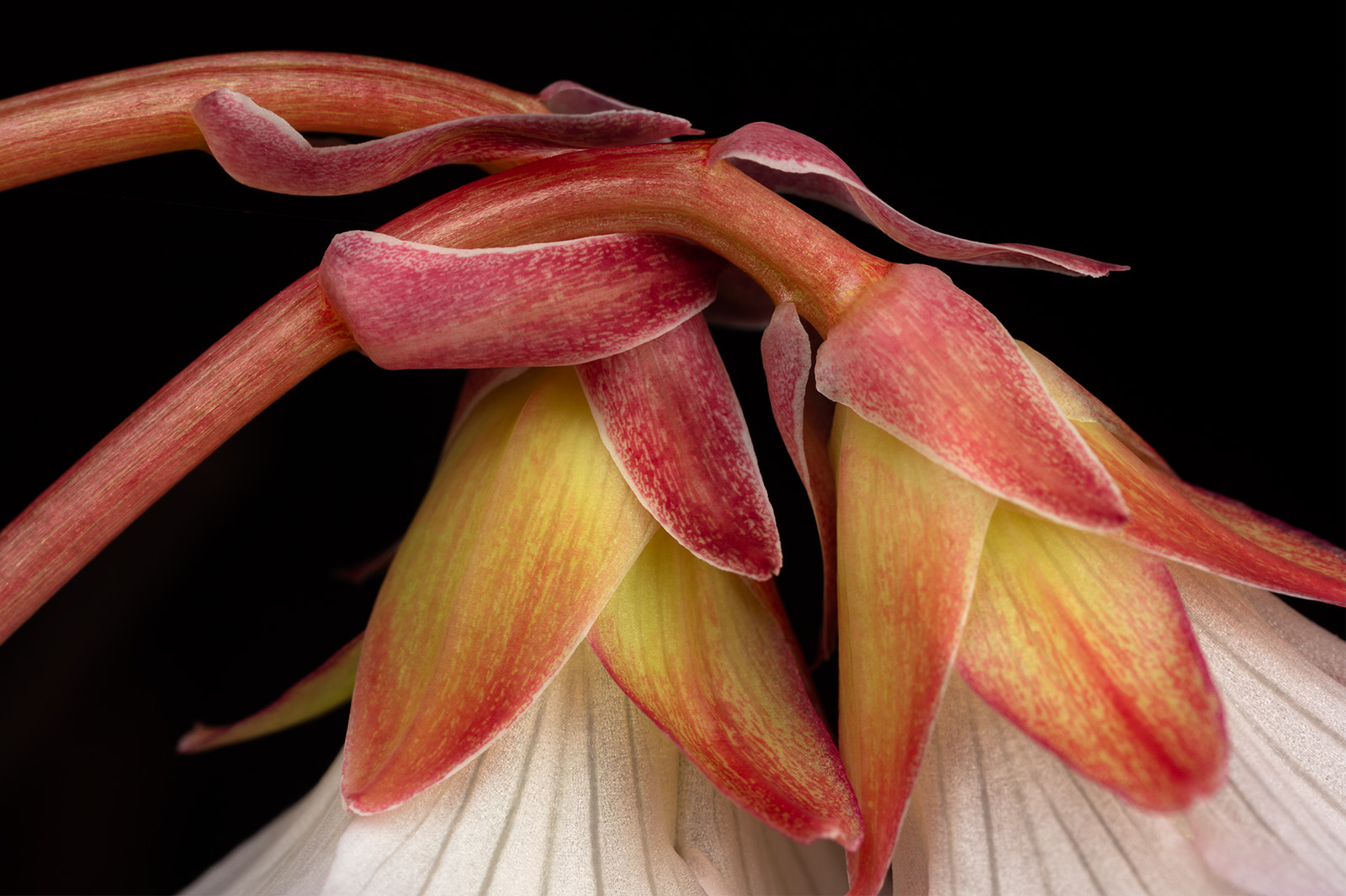
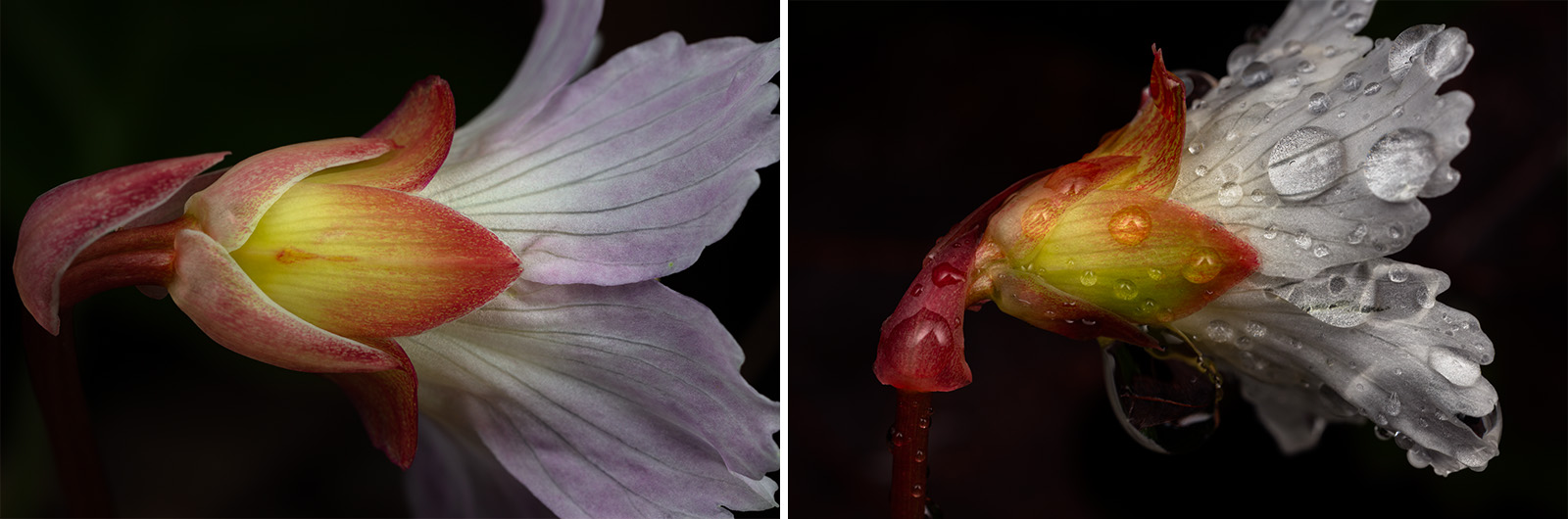
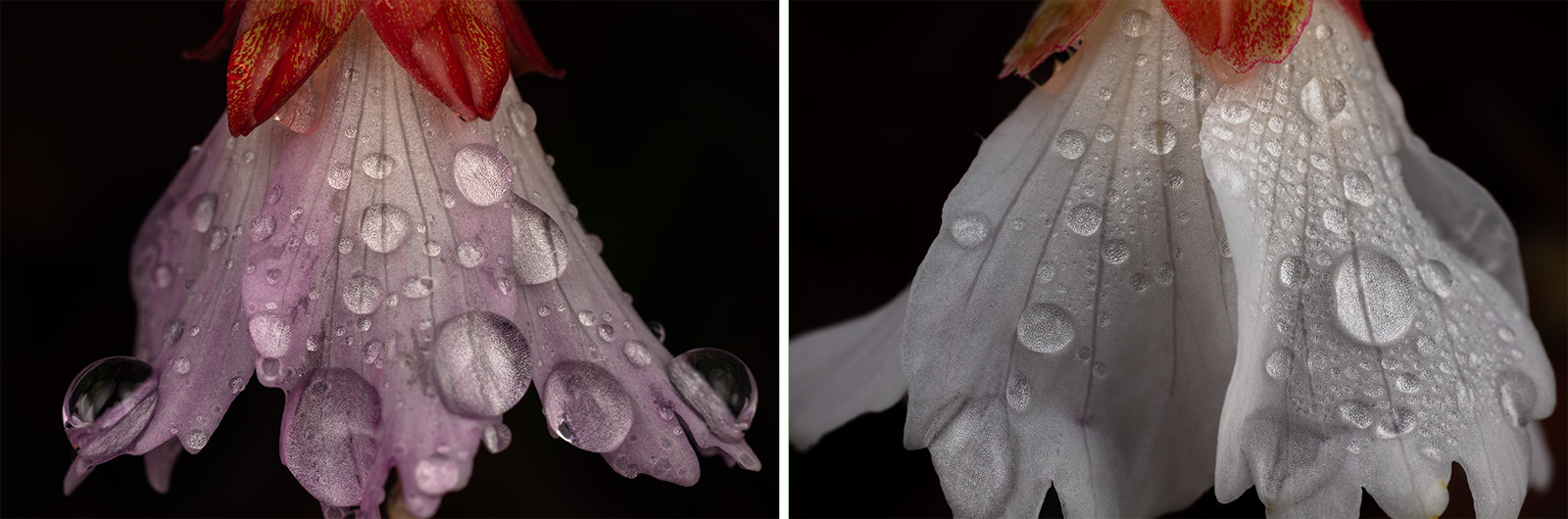
Duke Power Land:  The Oconee Bell is one of my favorite wildflowers to photograph.  They are a large driver for my move into macro photography and my desire to learn to photograph smaller and closer.  The combination of clean white petals against vibrant red and green sepals has always caught my eye and made me stop for these rare wildflowers.
Duke Power Land:  About two years after buying my macro rig, I was finally ready to travel and document these rare wildflowers within the Jocassee Gorges region of Upstate South Carolina.  Oconee Bells are Globally Imperiled and S3 Vulnerable in South Carolina according to NatureServe rankings.
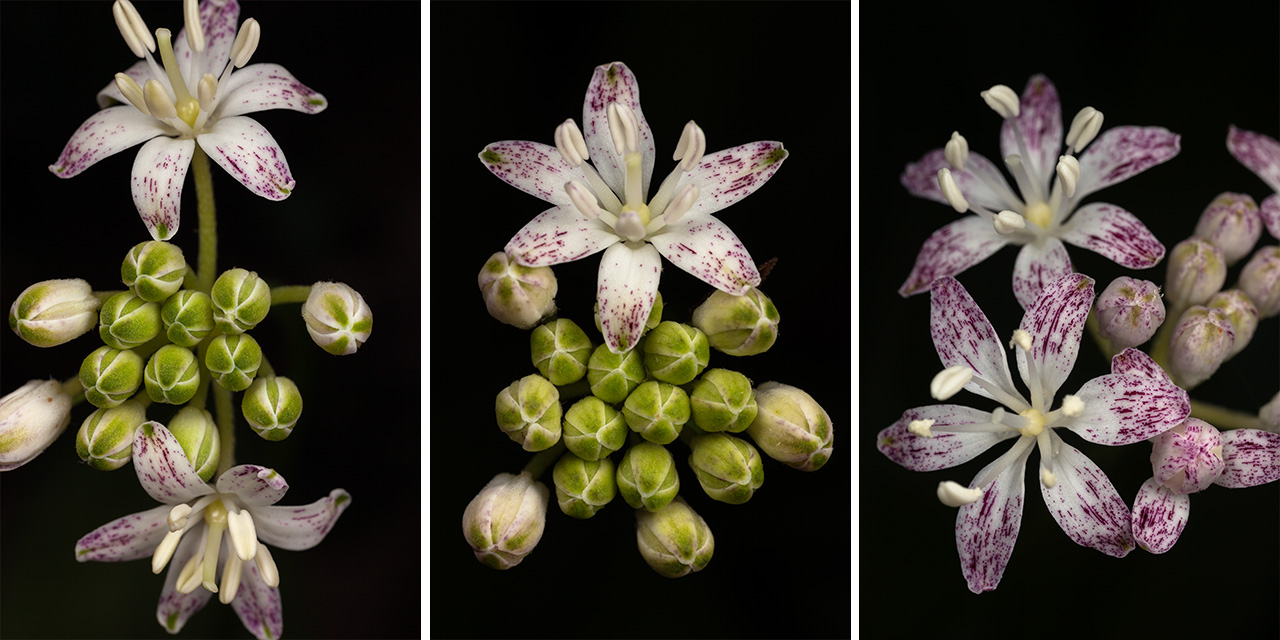
Mountain Angelica and Sweat Bees
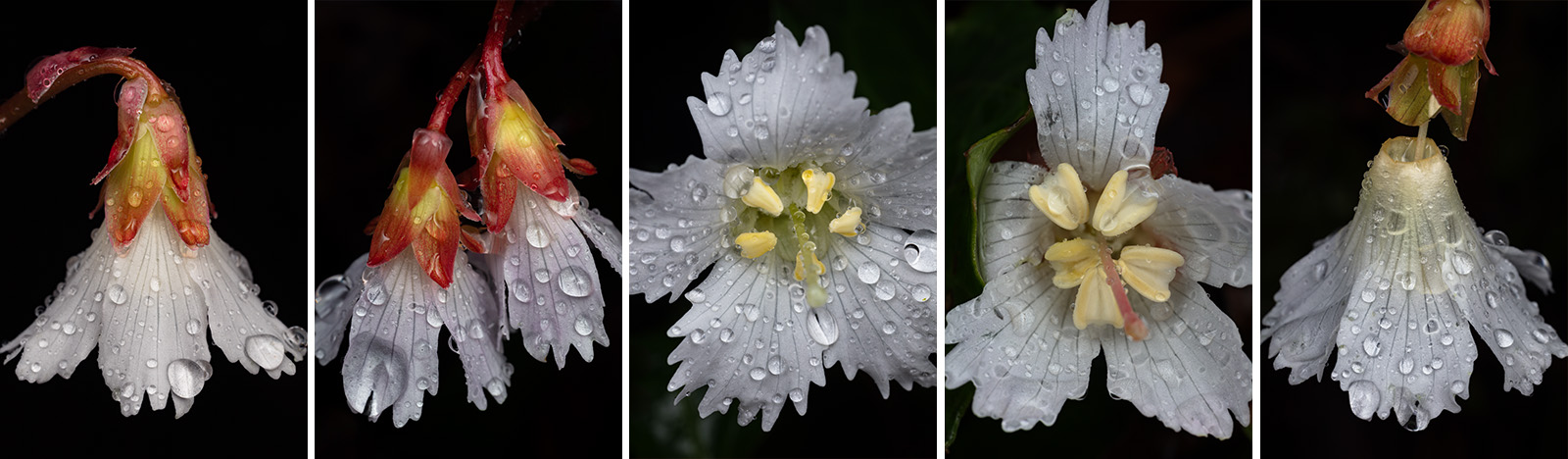
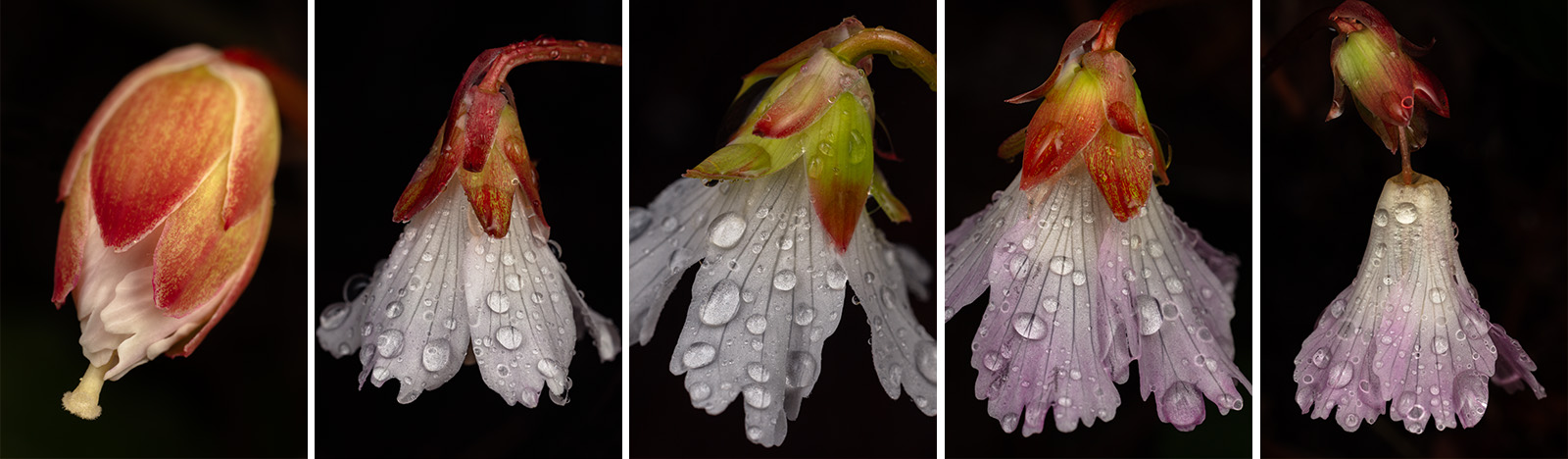
Duke Power Land:  The rare and beautiful Oconee Bell wildflower.  For nearly five years I’ve been learning the locations of where these rare wildflowers grow, as well as how to use the gear necessary to get quality portraits of these small, intricate wildflowers.  This is a collection of those efforts.
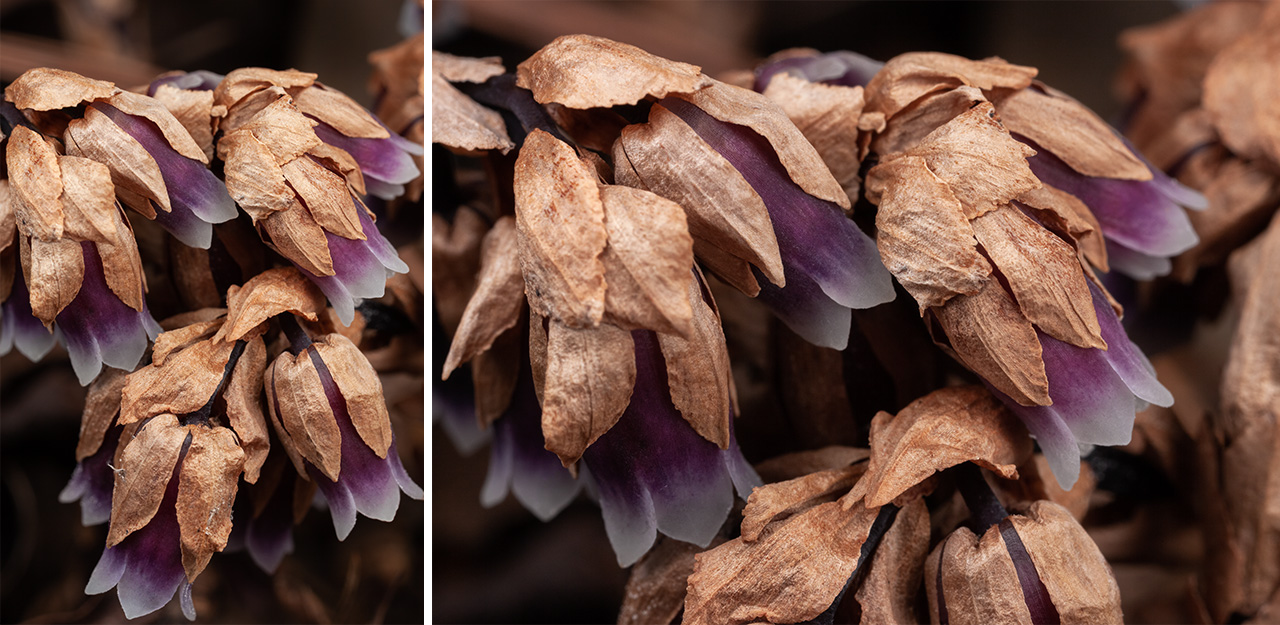
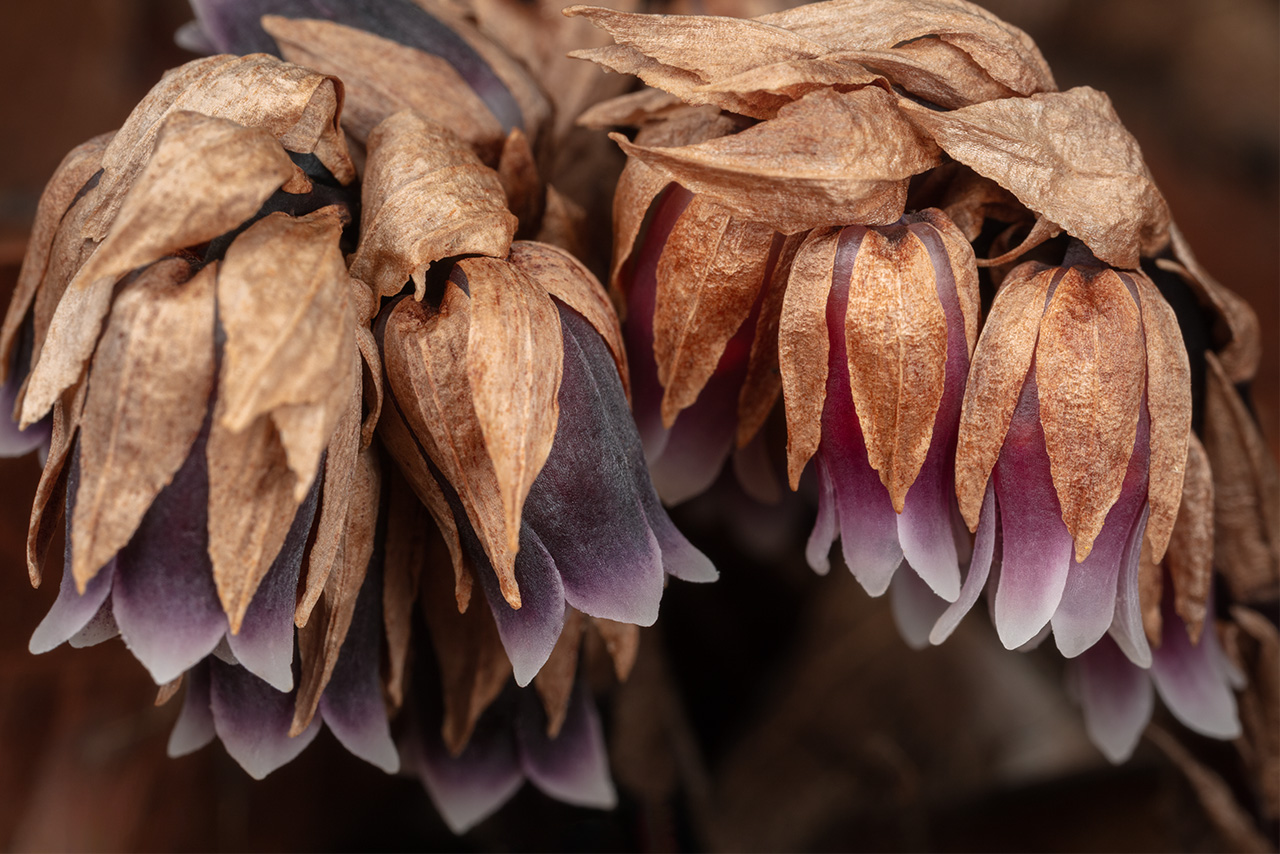
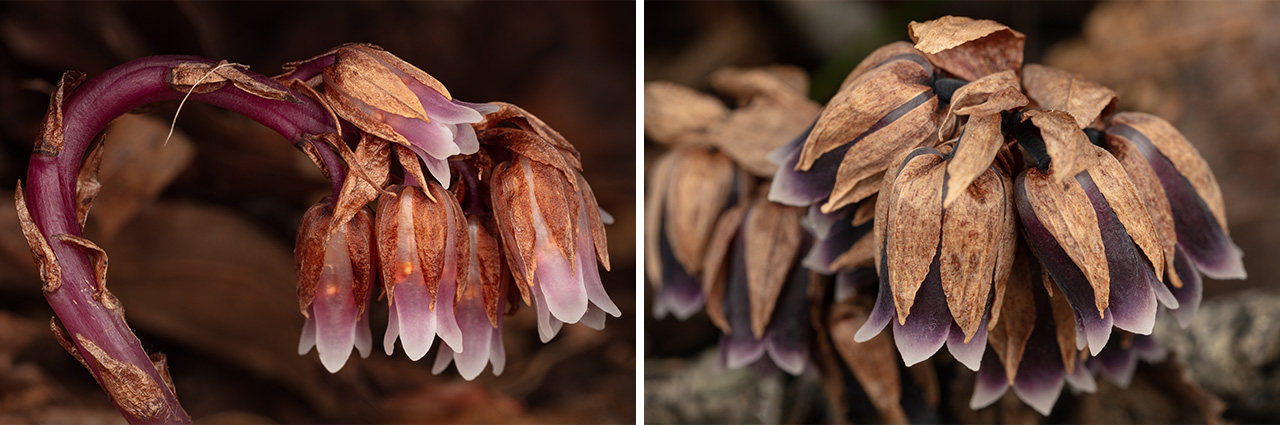
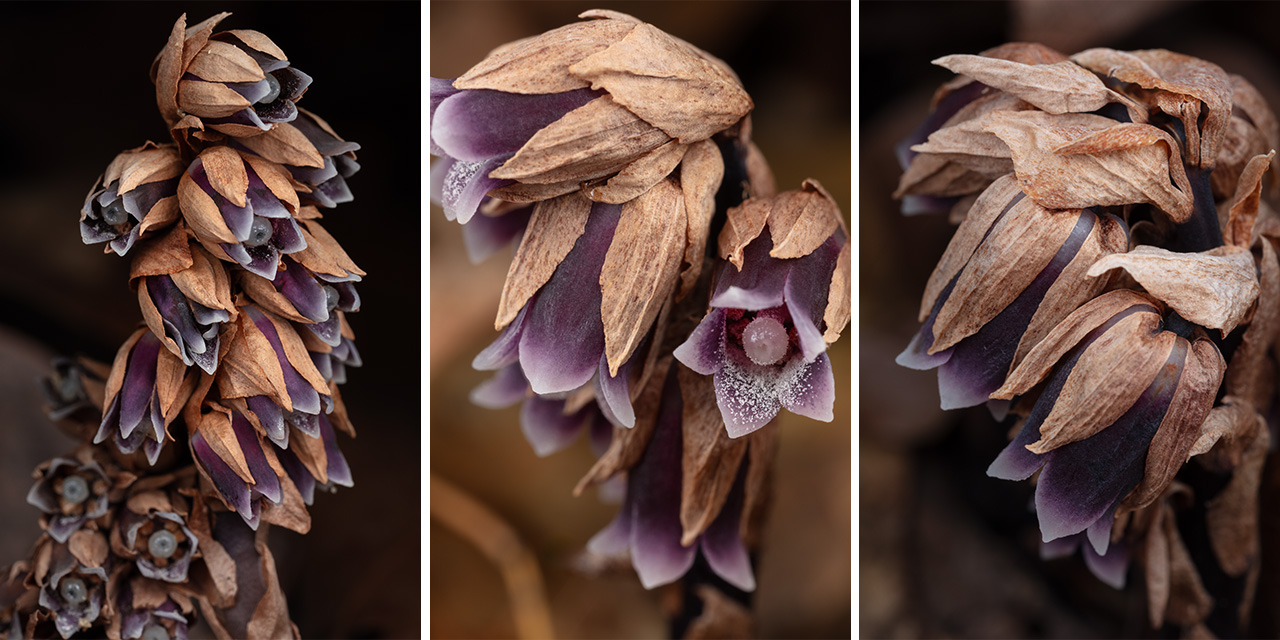
Duke Power Land:  This is one of the neatest plants that I photograh!  Sweet Pinesap, or Monotropsis odorata.  It is found primarily by scent.  Blending nearly perfectly with last seasons browned leafs along the forest floor (and often underneath said leaves), this wildflower gives off a beautiful autumn-spiced scent on the early spring breeze.  Catch the scent, slow down, and begin gently searching and sweeping the leaves along the forest floor and you might get lucky finding these deep purple wildflowers.  Sweet Pinesap is S2 Imperiled in South Carolina, as well as G2 Globally Imperiled via NatureServe rankings.
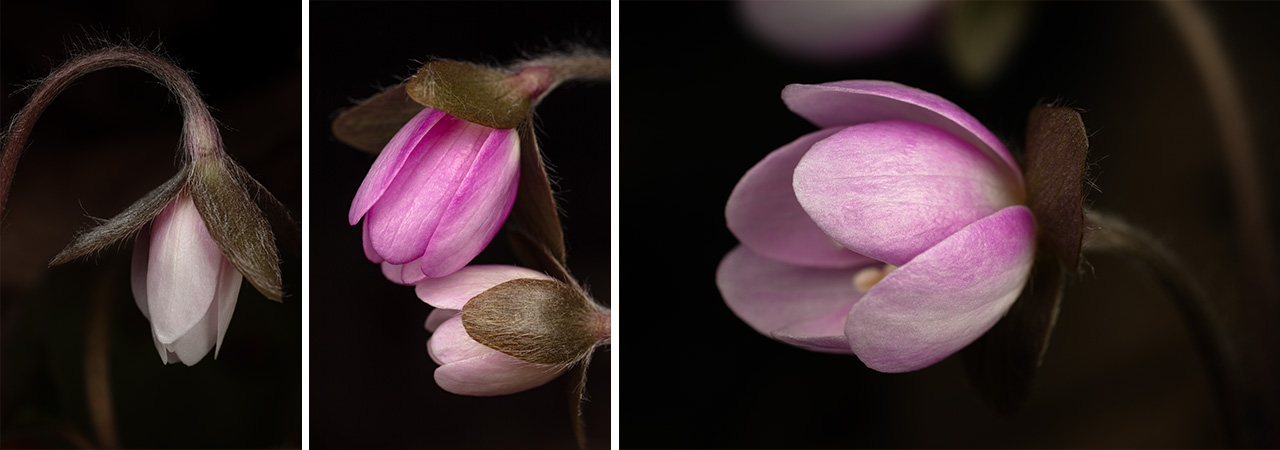
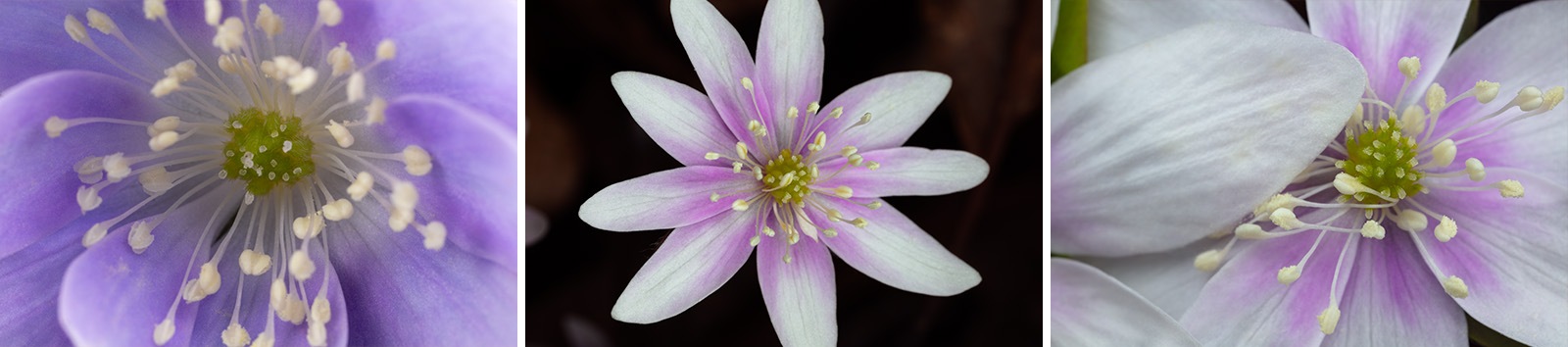
Duke Power Land:  Hepatica is an early spring ephemeral wildflower found across the Blue Ridge Escarpment.  Here, I found some beautifully pink-tinged Hepatica growing along the Eastatoe River within the Jocassee Gorges of Upstate South Carolina.
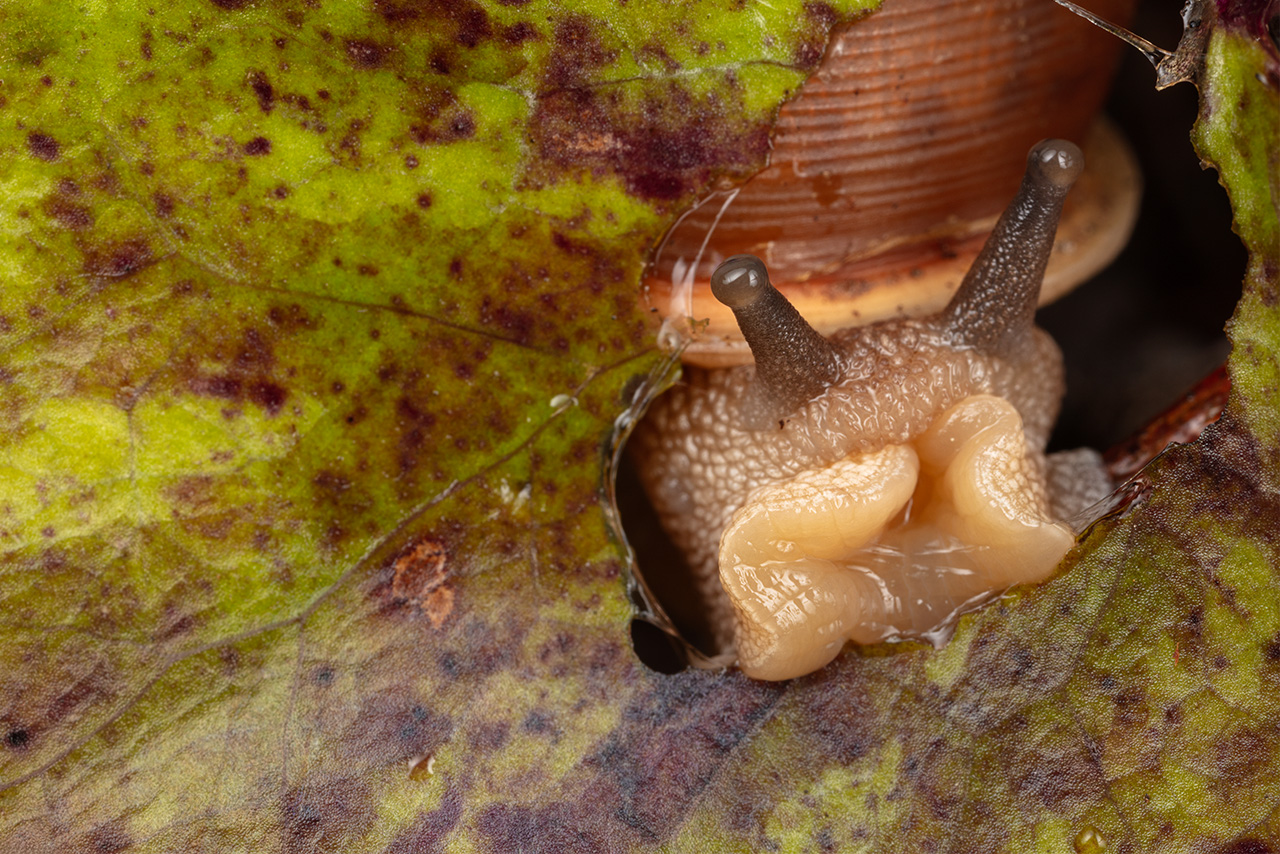
Duke Power Land:  While laying on the forest floor photographing spring ephemeral wildflowers, I saw this land snail happily munching on a green leaf.  It made me smile, and I had to snap a photograph!
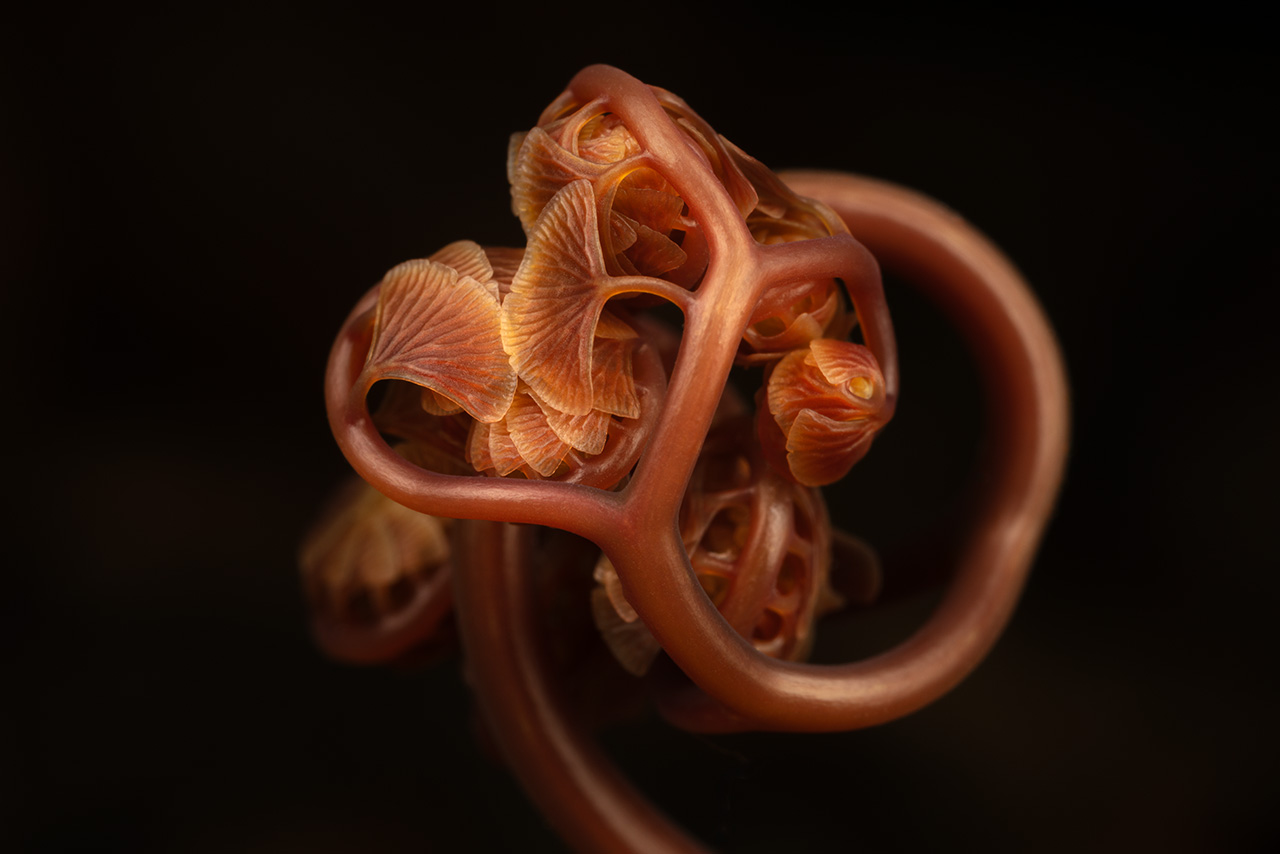
Duke Power Land:  A good number of Maidenhair Ferns grow along the Eastatoe River within the Jocassee Gorges region of Upstate South Carolina.  Maidenhair Ferns in their juvenile form are fascainating behind the lens.  Here, a slightly bronzed color form really caught my eye.
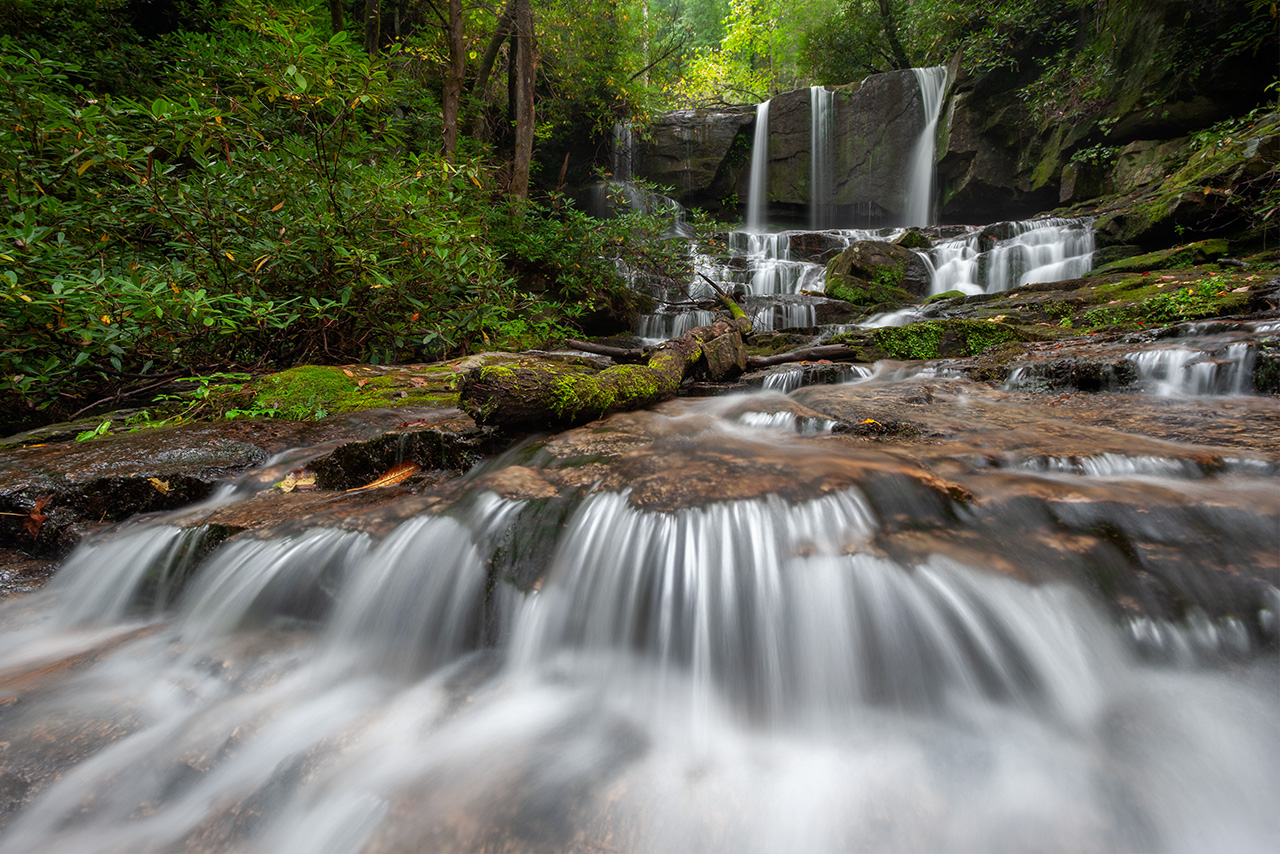
Duke Power Land:  Virginia Hawkins Falls was one of my earliest subjects behind the lens.  Located within the Jocassee Gorges of Upstate South Carolina, this beautiful waterfall is about a thirty-foot drop with multiple smaller cascades.
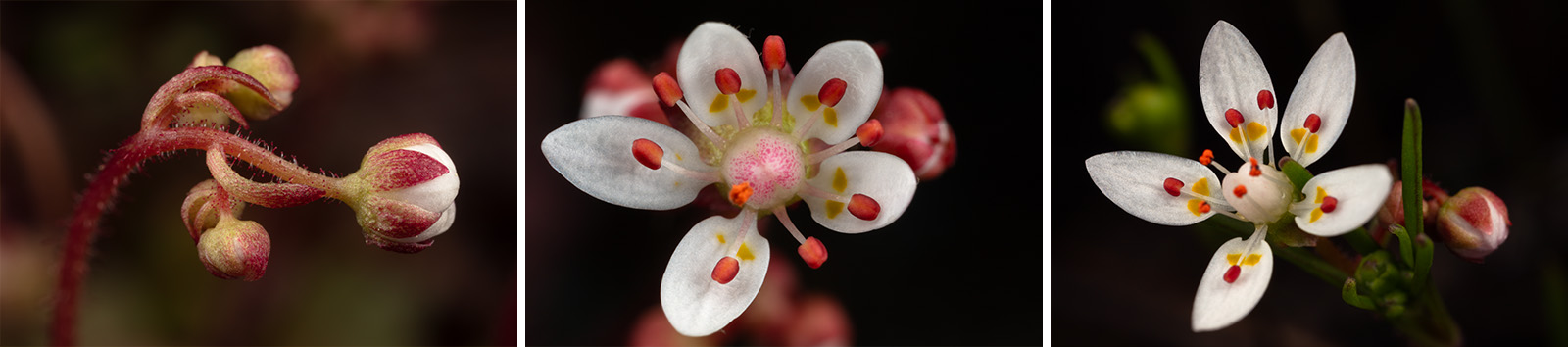
Brook Lettuce Saxifrage

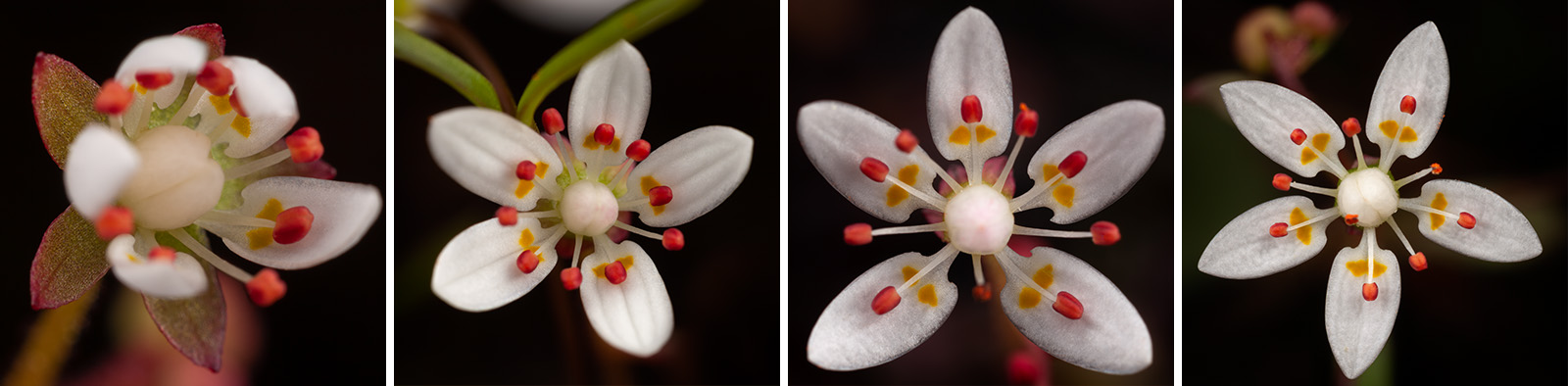
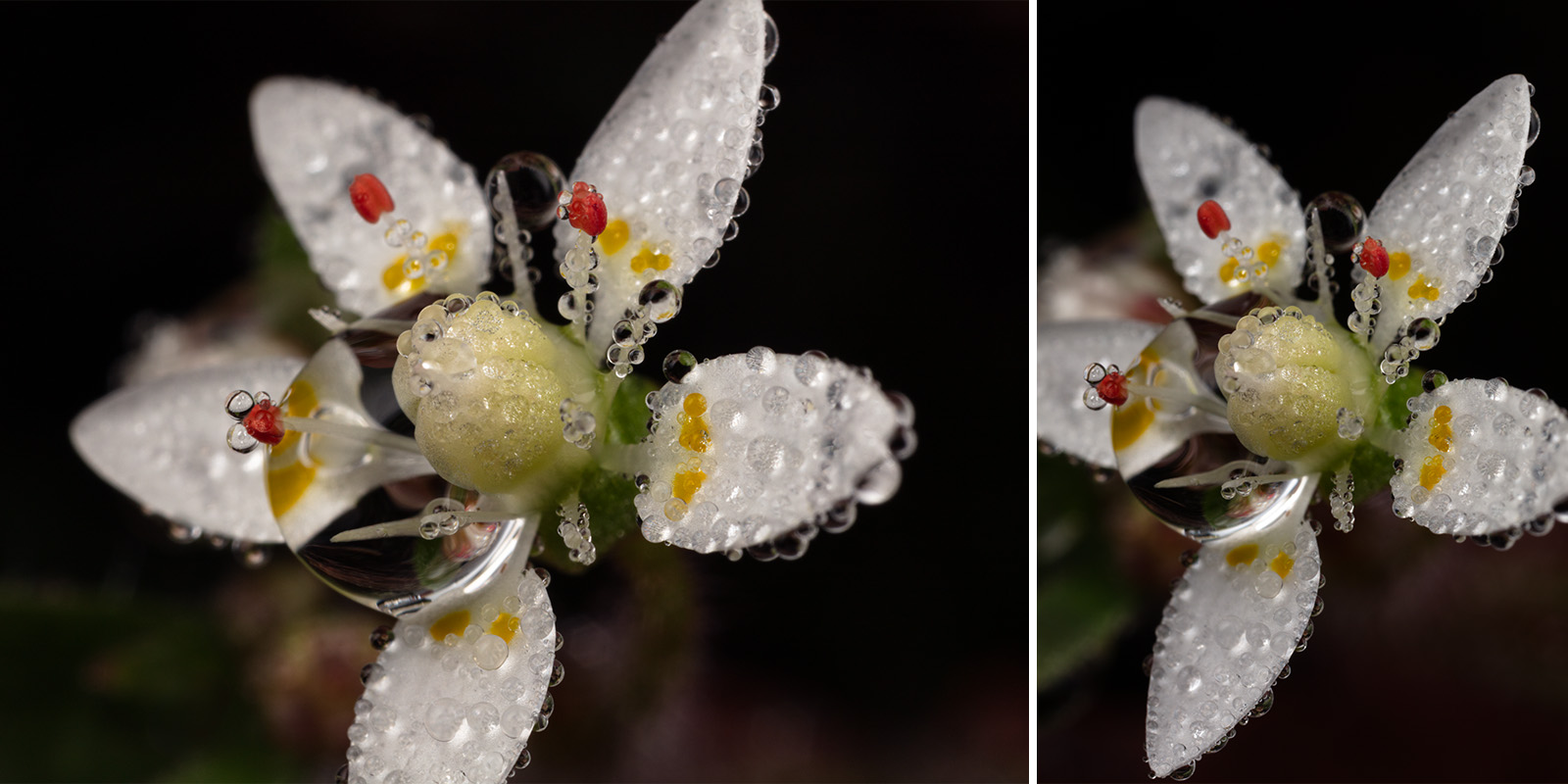
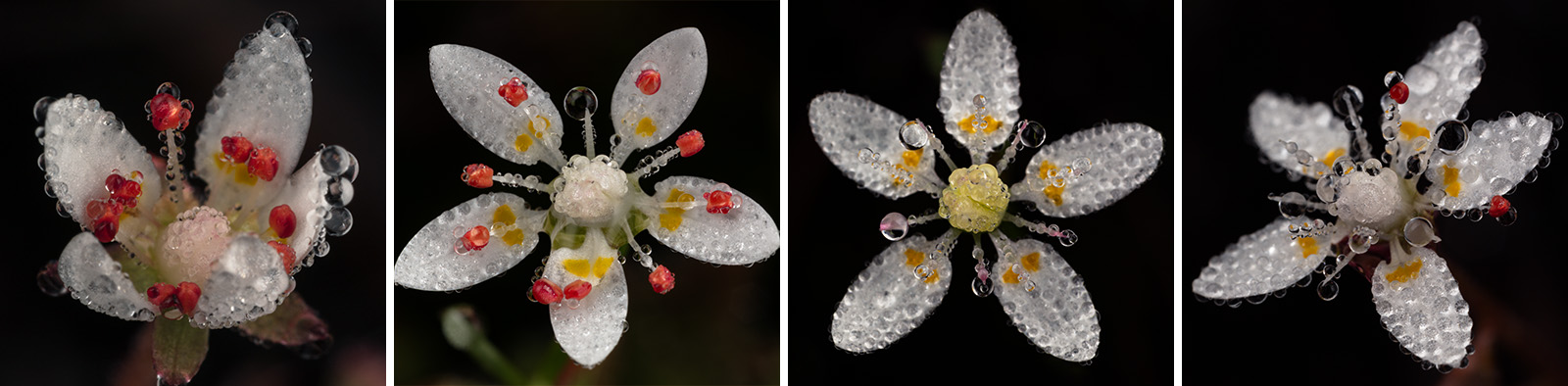
Duke Power Land:  I found this beautiful patch of Lettuceleaf Saxifrage within the Eastatoe Creek Heritage Preserve area of Upstate South Carolina.  NatureServe ranks Lettuceleaf Saxifrage S2 imperiled in South Carolina.  I love to shoot macro images along the rocky walls of this narrow stream (even though the hike in is somewhat long for hauling in heavy gear!).
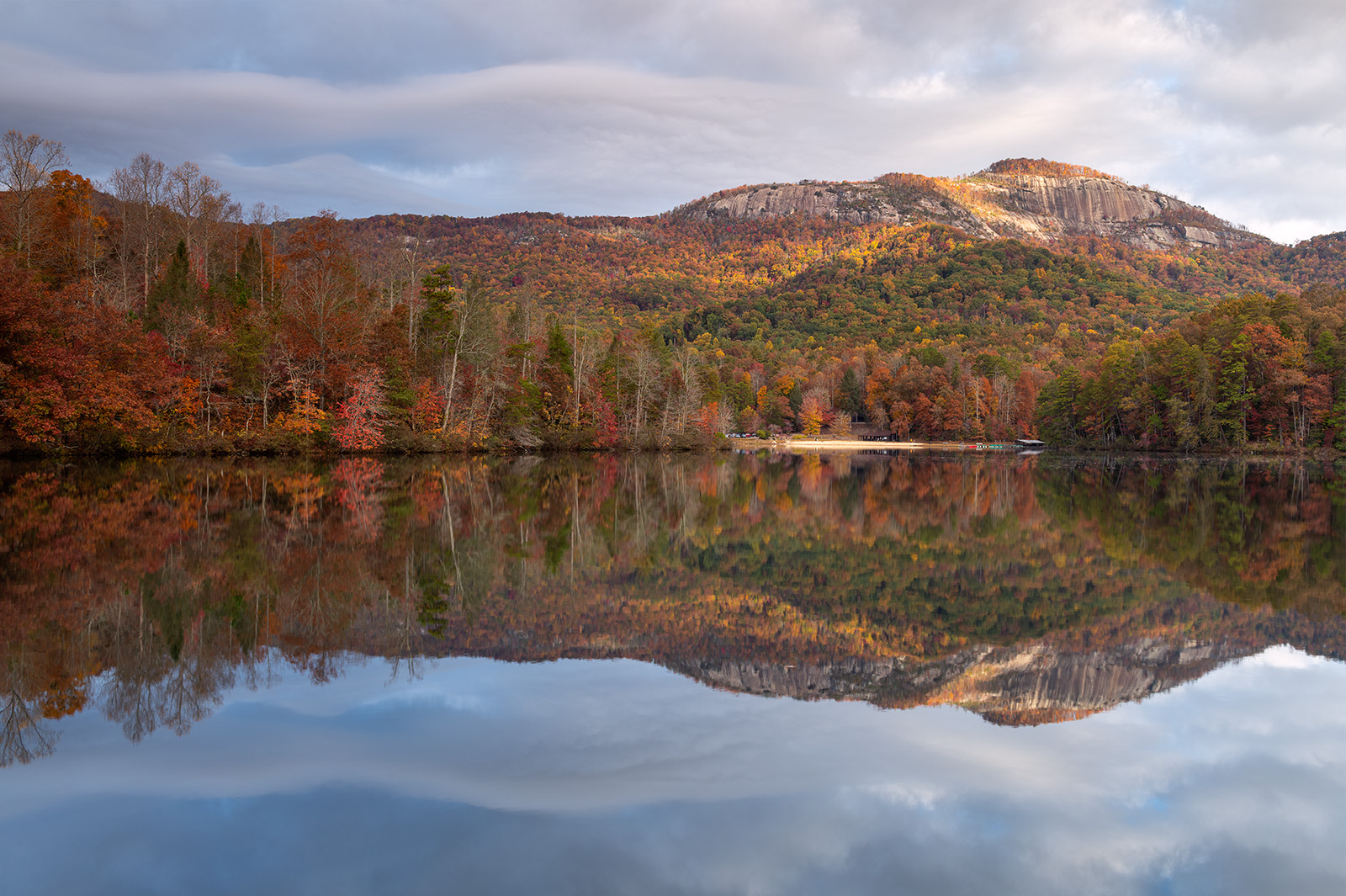
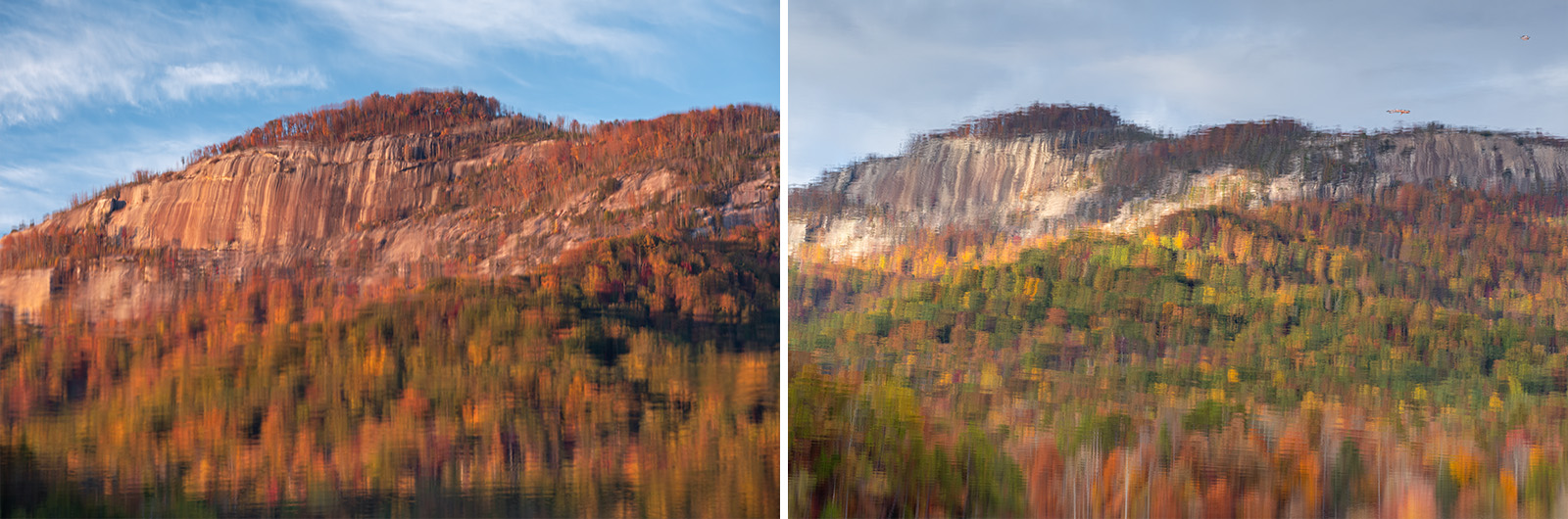
Table Rock State Park:  Pinnacle lake reflects the beautiful Table Rock Mountain like a mirror.  Table Rock State Park is one of the rare locations (along with Whiteside Mountain) where the sheer vertical drop of the Blue Ridge Mountains can be visually seen behind the lens.
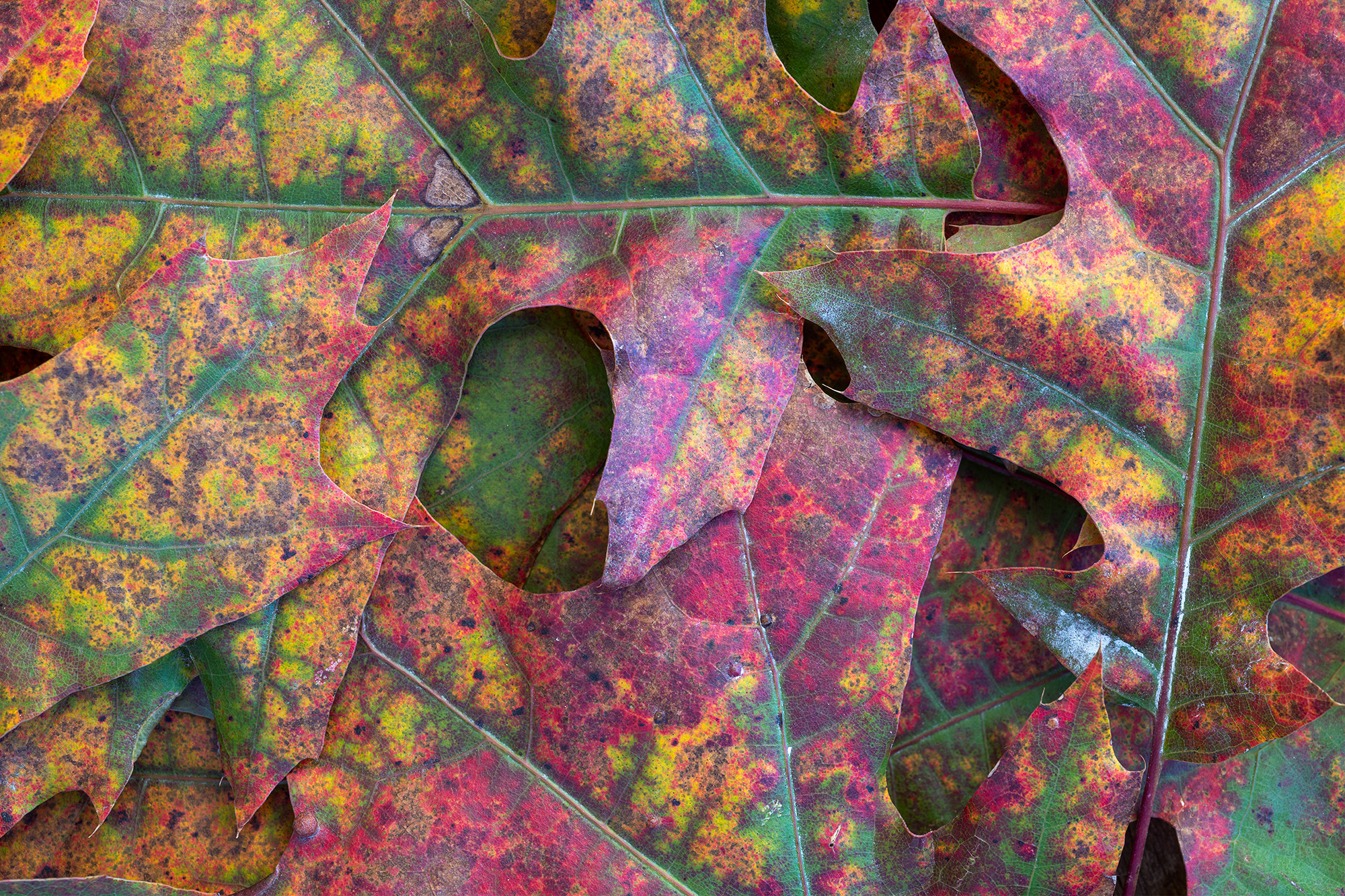
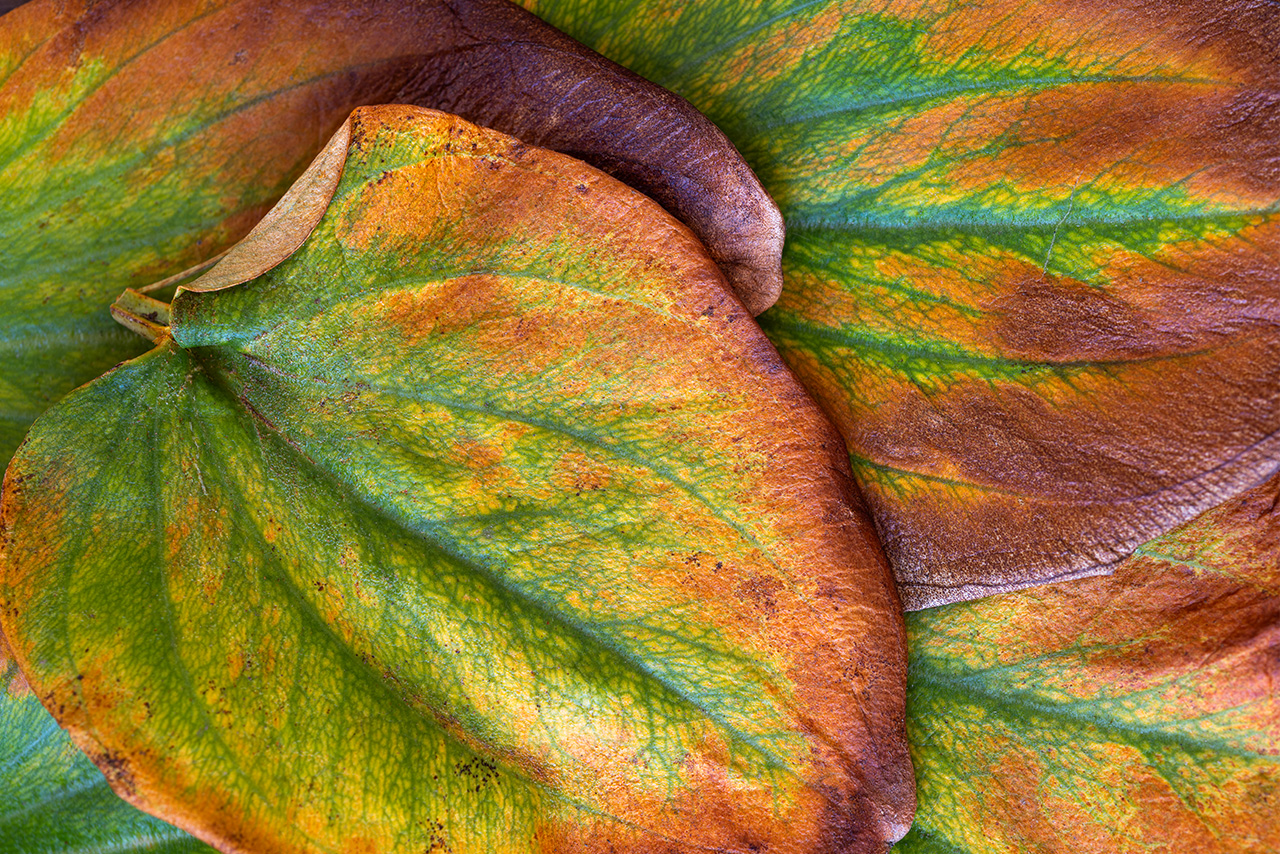
Mountain Bridge Wilderness Area:  A kaleidiscope of autumn colors show within a pile of oak leaves fallen along the trail within the Mountain Bridge Wilderness Area of Upstate South Carolina.
Mountain Angelica and Sweat Bees
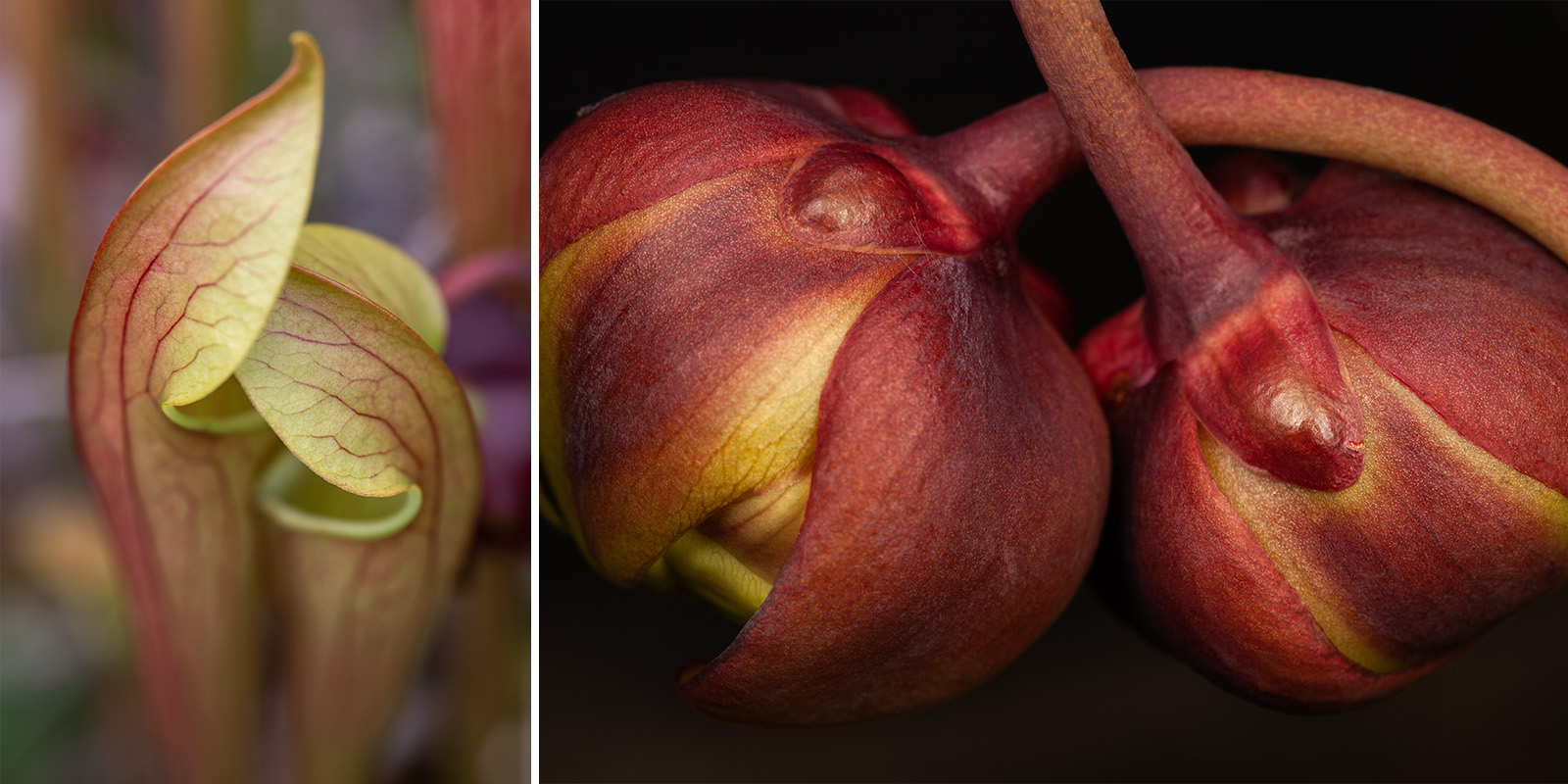
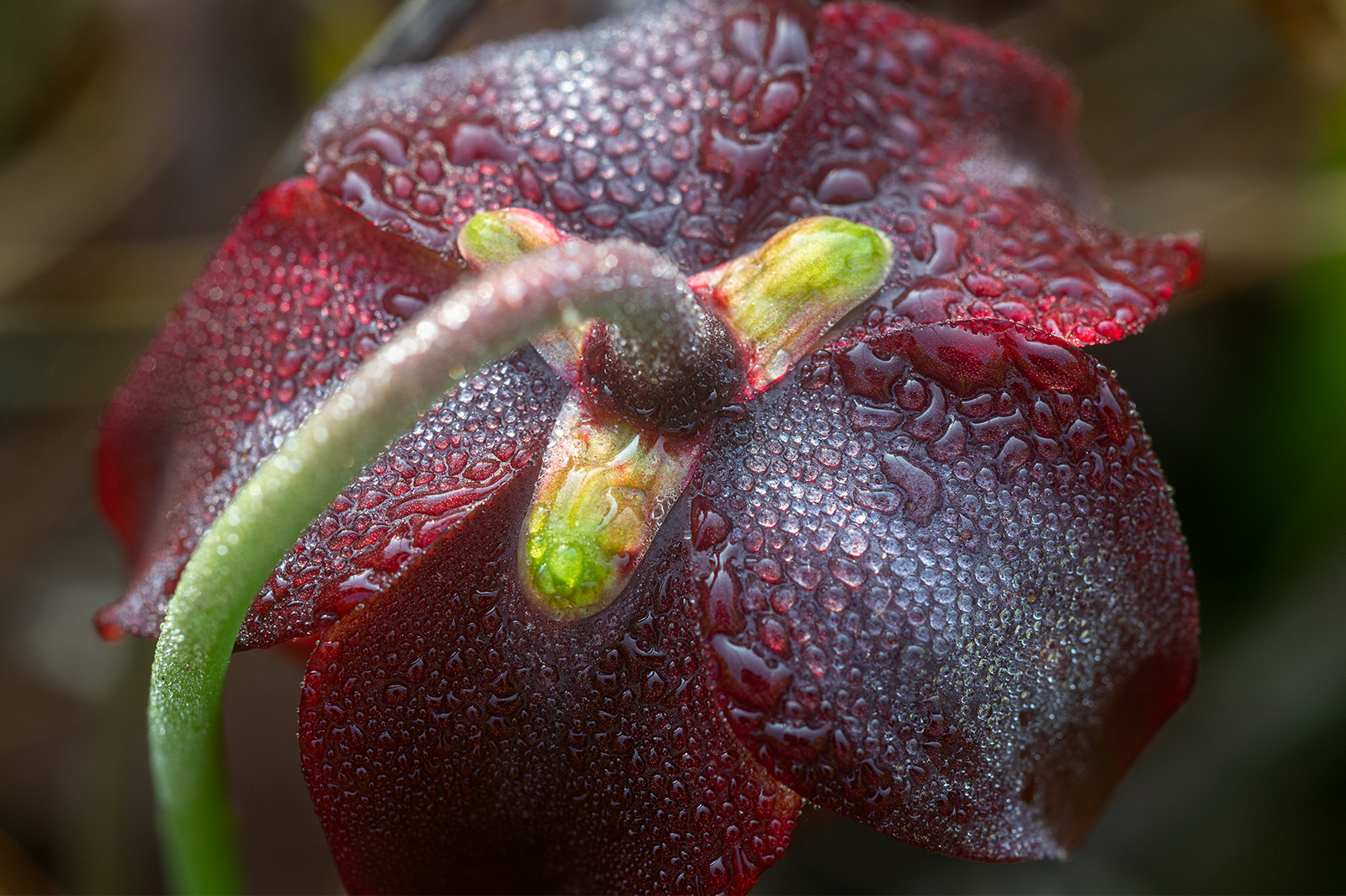
Mountain Bridge Wilderness Area:  Many extremely rare wildflowers can be found within the Mountian Bridge Wilderness Area of Upstate South Carolina.  The Mountain Purple Pitcher Plant, shown here, is a very rare wildflower that is carnivorous by nature.  It grows within bogs.
Mountain Angelica and Sweat Bees
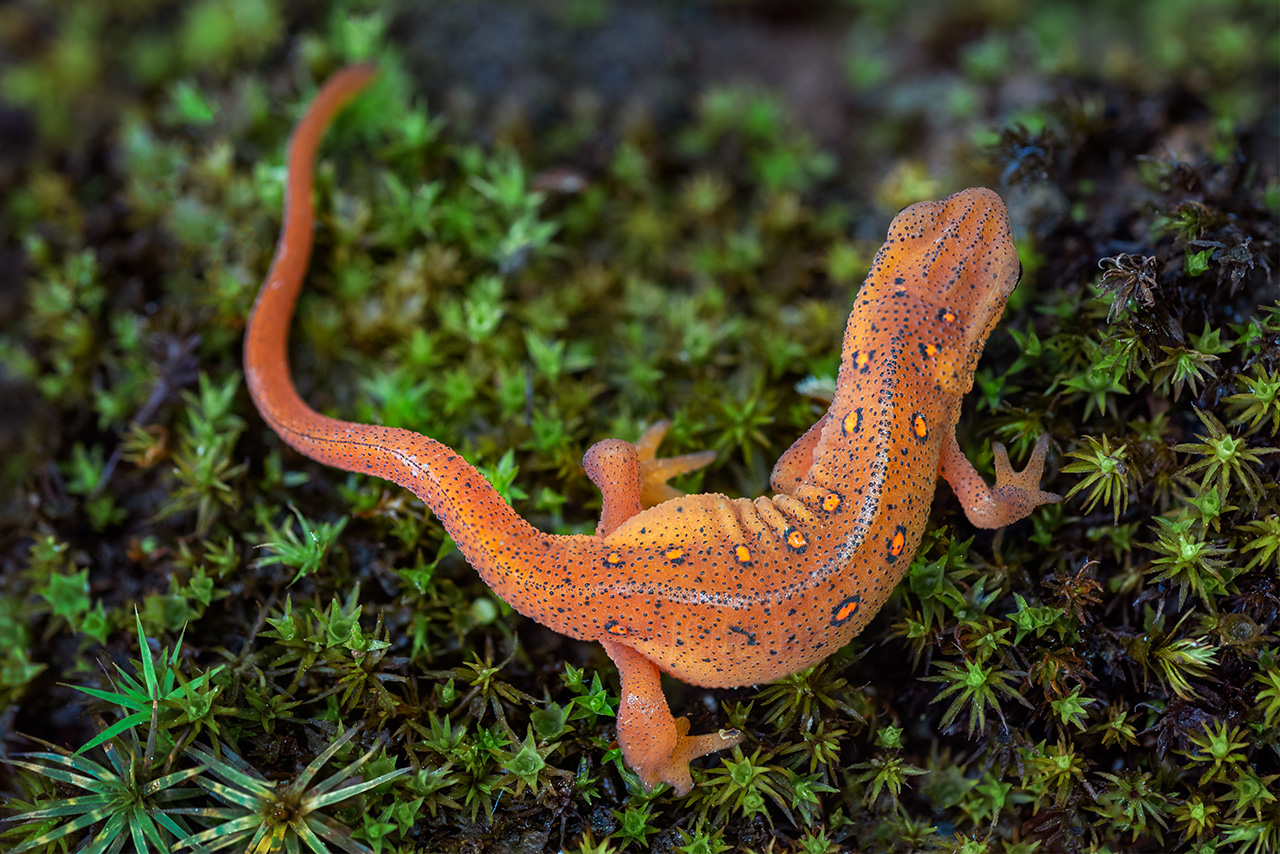
Mountain Bridge Wilderness Area:  A juvenile Red Eft Newt poses on lush green mosses as it travels across the land in search of new territory on a wet Appalachian morning within the Mountain Bridge Wilderness area of Upstate South Carolina.
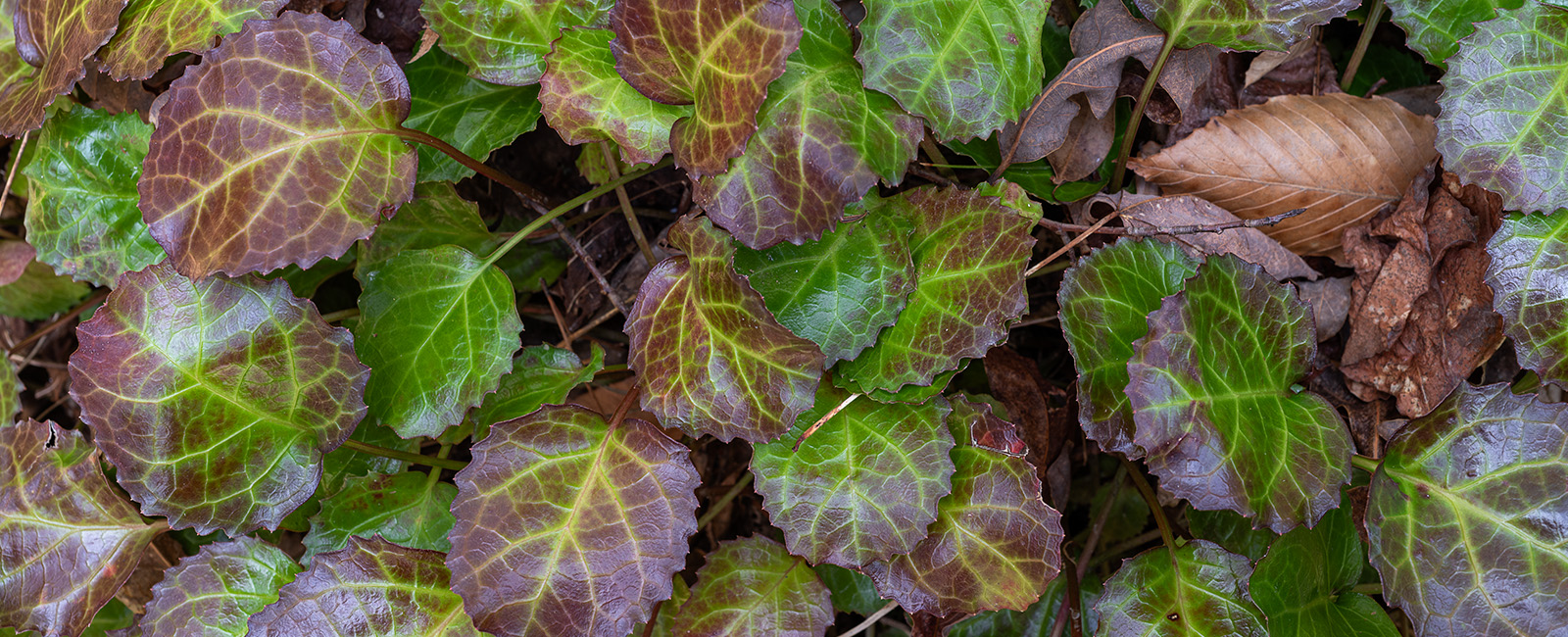
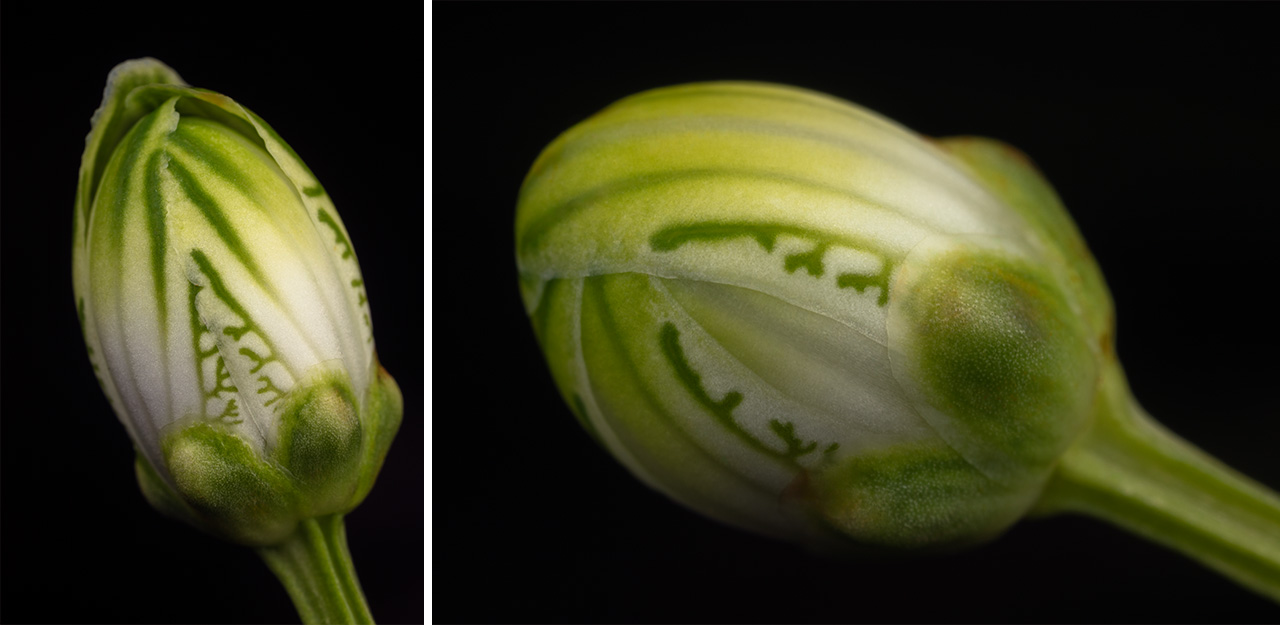
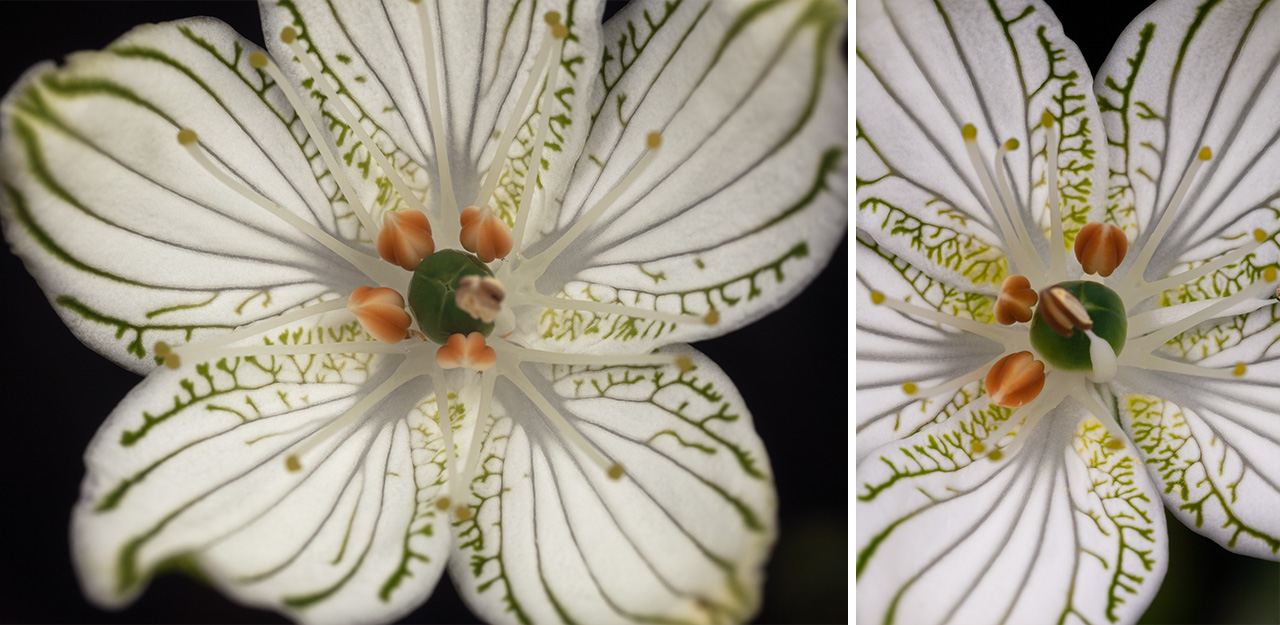
Mountain Bridge Wilderness Area:.  A population of Largeleaf Grass of Parnassus (Parnassia grandifolia) grow within the Mountain Bridge Wilderness Area of Upstate South Carolina.  Largeleaf Grass of Parnassus is G3 globally vulnerable and S2 imperiled within South Carolina according to NatureServe rankings.
Mountain Angelica and Sweat Bees
Nine Times Preserve:  Beautifully colored Hepatica wildflowers growing within the Nine Times Preserve in Upstate South Carolina.  Nine Times is known as the wildflower showcase of the Southern Blue Ridge Escarpment with over 134 native species of wildflowers found on the property.
Mountain Angelica and Sweat Bees
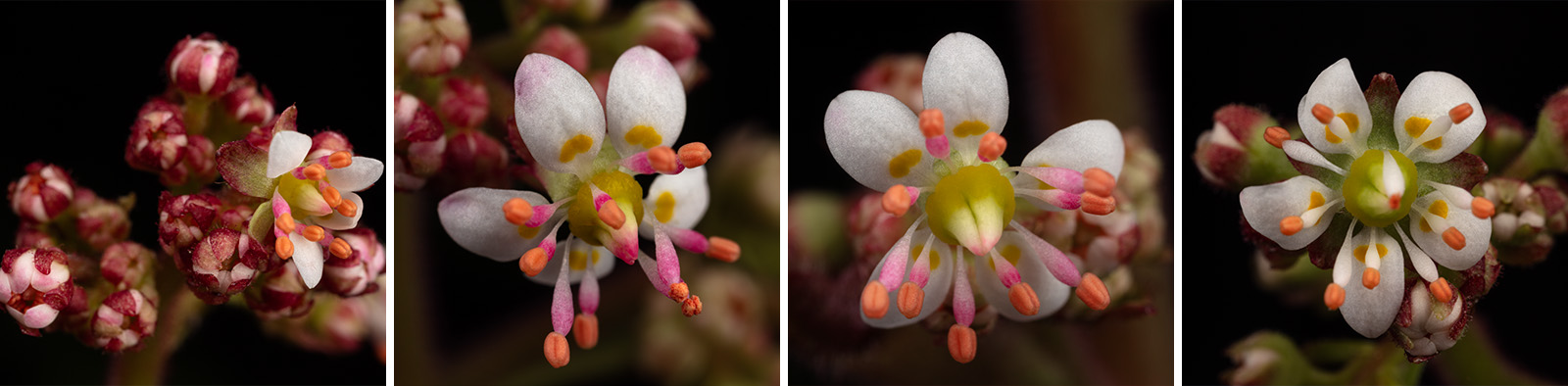
Nine Times Preserve:  Shealy’s Saxifrage is a new species of Saxifrage discovered at Nine Times Preserve in Upstate South Carolina.  It grows nowhere else in the world.  It is differentiated by its late winter bloom, lower elevation location, and shorter durations of flower.  Finding and photographing these very rare beauties has been a highlight of my spring ephemeral wildflower trips the past several years!
Boggs Rock
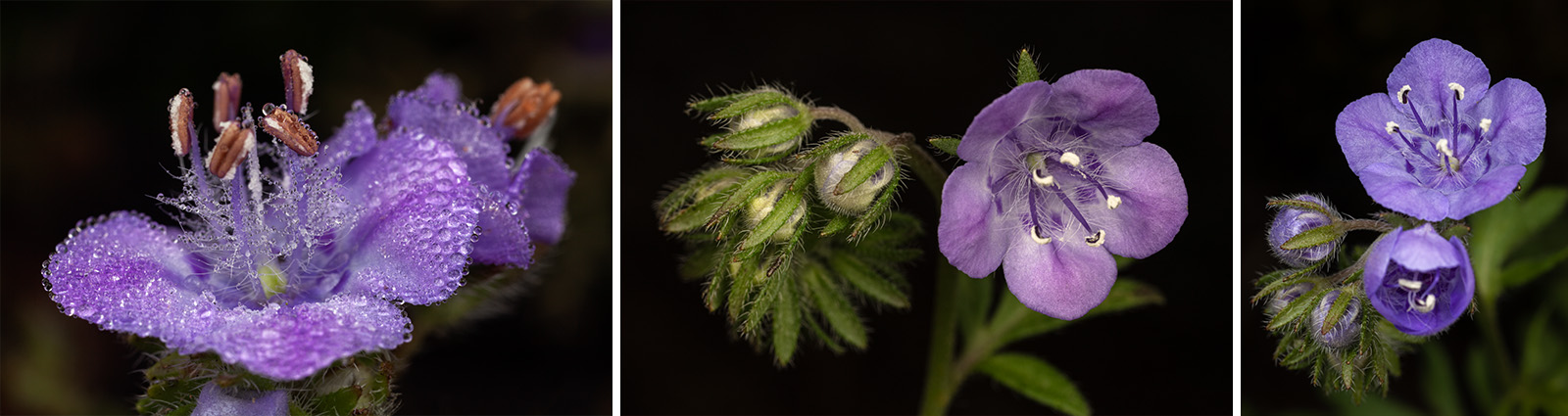
While not technically part of the Blue Wall, Boggs Rock is slightly inland and part of the Piedmont of South Carolina.  It is a notable place that I always visit when I’m working the nearby Blue Wall.  The strange granite flat-rock habitat of Boggs Rock hosts a unique wildflower community, including Elf Oprine, Bladderworts, Phacelia and Carolina Jessamine.  Open to the elements and the full wrath of a hot southern sun, Boggs Rock presents an extreme microclimate.  Most plants get an early start here and wrap up before things get too toasty!  I usually visit in late March and early April.
Mountain Angelica and Sweat Bees
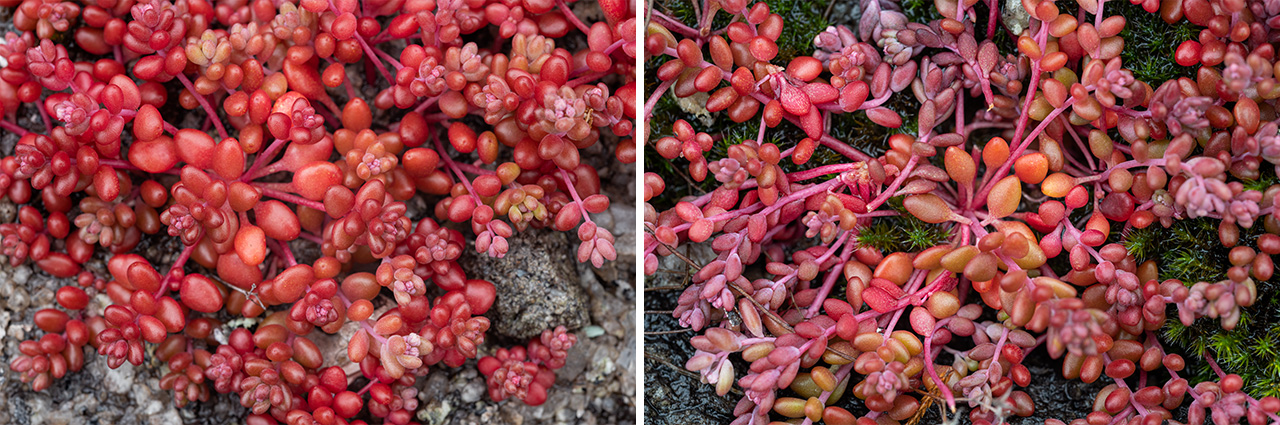
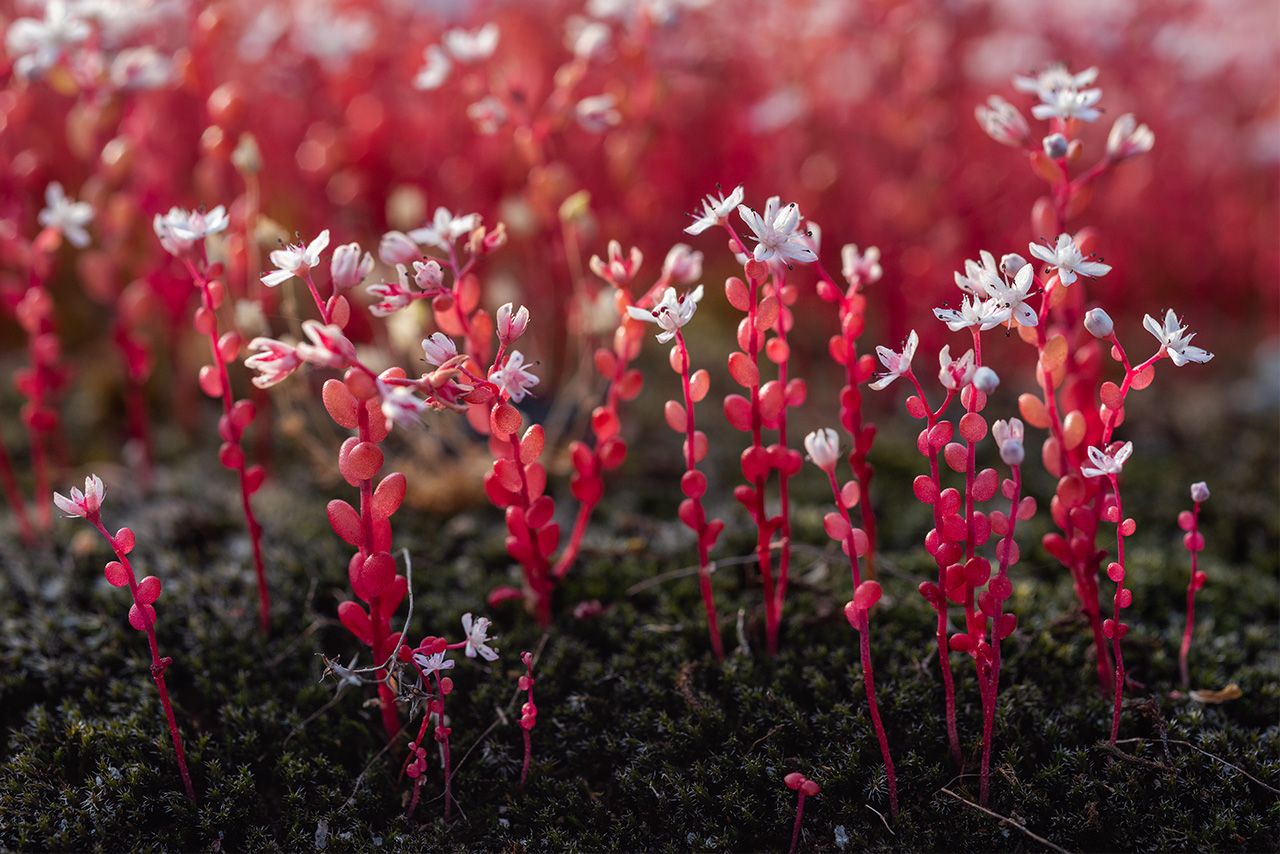
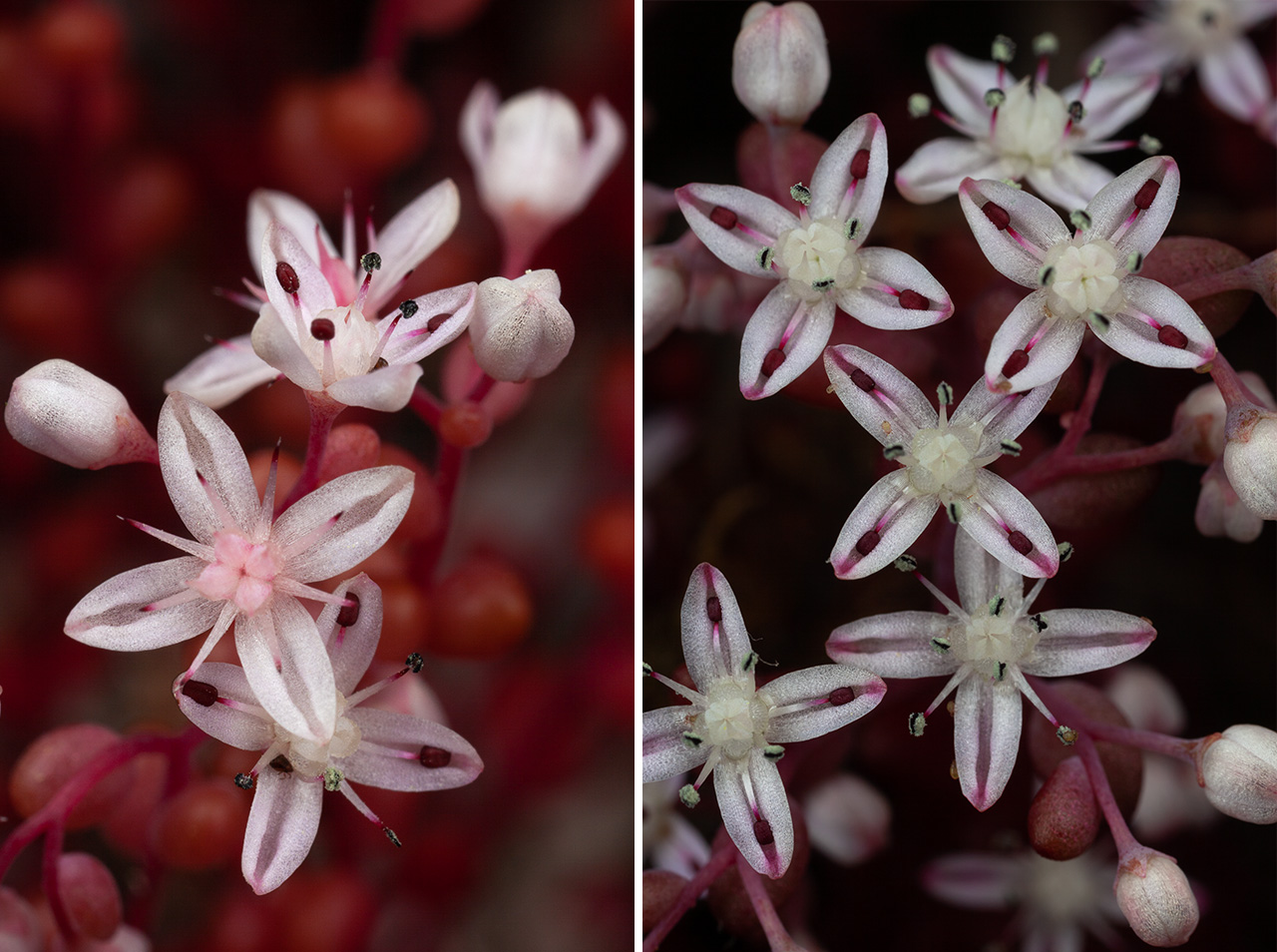
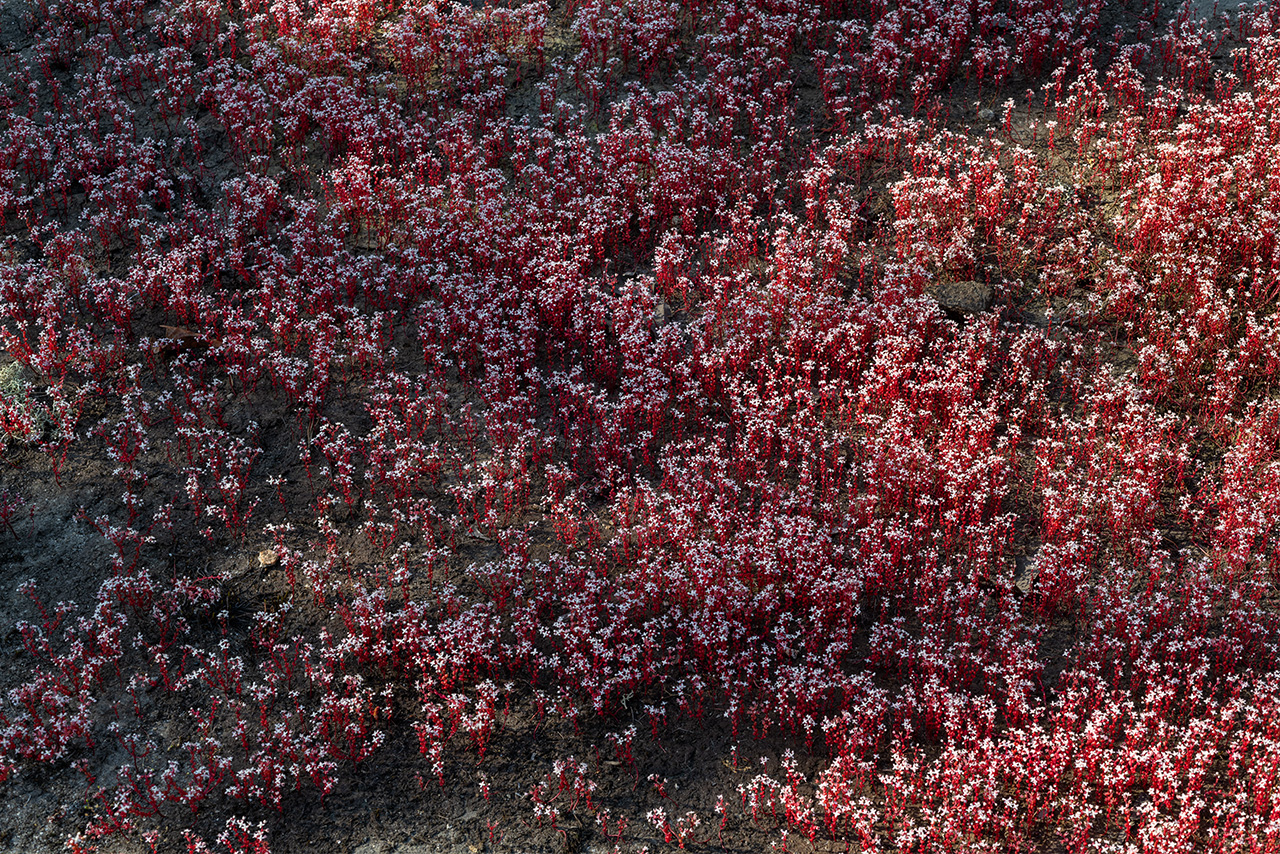
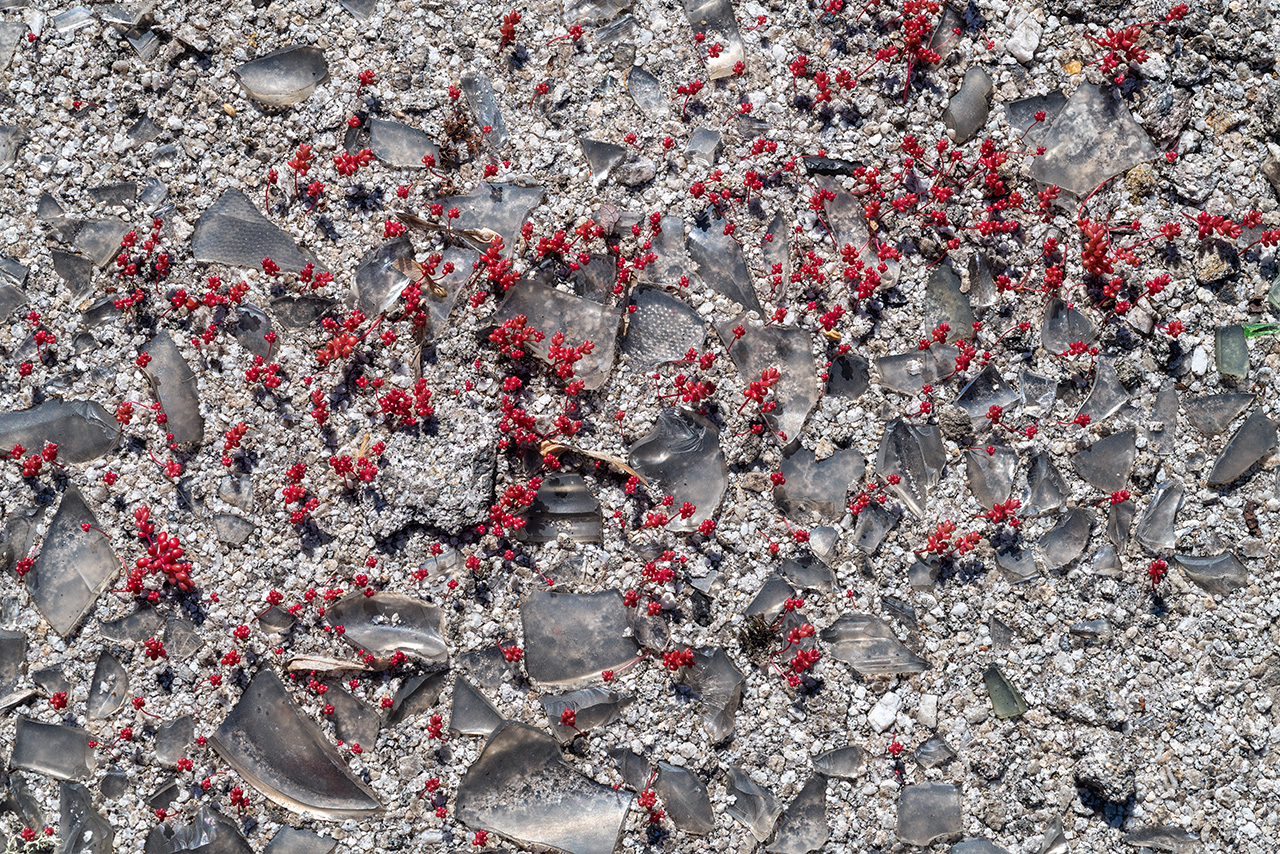
Boggs Rock:  The rosettes and flowers of Elf Orpine, a unique wildflower that grows atop the granite flat rock habitat in small pools or depressions.  It’s succulent form and red coloring helps deflect as much hot sun as possible in this extreme microclimate.  Blooms come early and wrap up before the brunt of summer heat.
Mountain Angelica and Sweat Bees
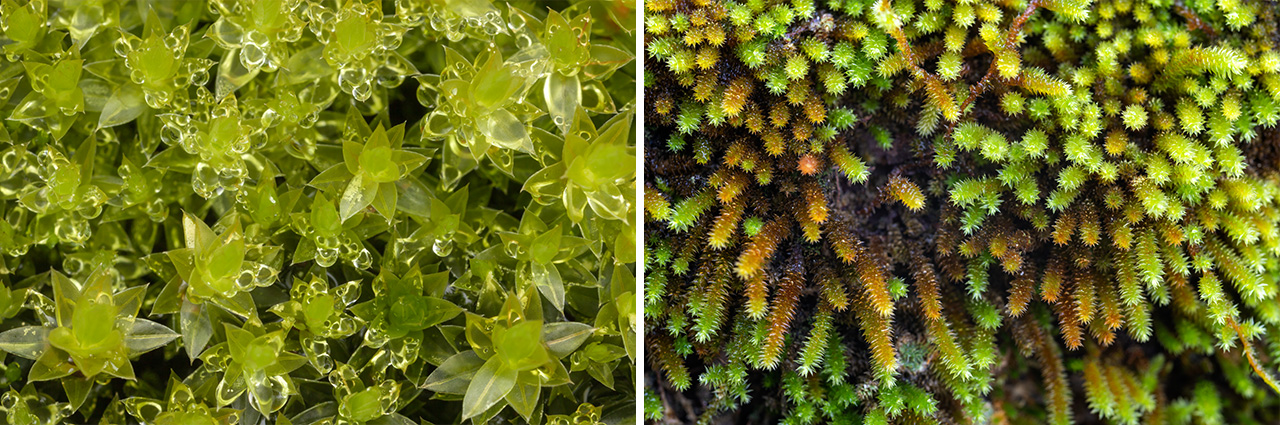
Boggs Rock:  There is a tremendous amount of moss and lichen within the unique habitat of Boggs Rock.  Walk the edges of the granite flat rock where the forest meets the stone and you’ll find many neat patterns and textures from these plants.
Mountain Angelica and Sweat Bees
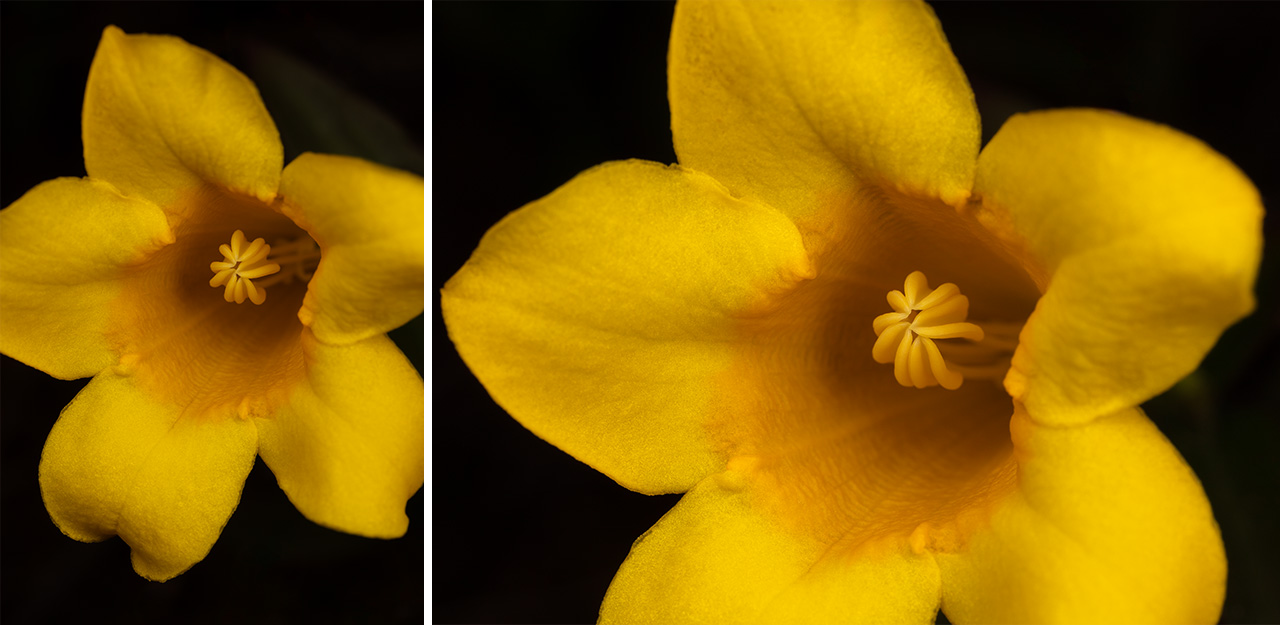
Boggs Rock:  Carolina Jessamine, a flowering yellow vine, blooms within the unique granite flatrock wildflower community of Boggs Rock, South Carolina.
Mountain Angelica and Sweat Bees
Boggs Rock:  Flat Rock Phacelia (Phacelia maculata) is a rare wildflower that grows atop the granite flat rock found at Boggs Rock.  It is globally vulnerable and S2 imperiled in South Carolina via NatureServes rankings.  I found a couple of relatively healthy communities on the property of Boggs Rock.